What Does Lead In Water Look Like

You fill your glass from the tap, hold it up to the light, and wonder: What does lead in water actually look like? It’s a question that feels both urgent and oddly mysterious....
You fill your glass from the tap, hold it up to the light, and wonder: What does lead in water actually look like? It’s a question that feels both urgent and oddly mysterious. Spoiler alert: lead is the ultimate ninja contaminant—invisible, tasteless, and odorless. But don’t let that spook you; we’re going to decode the clues together, with a side of style and practicality.
The Invisible Invader
First, let’s break the bad news gently: lead doesn’t visibly float around in your water like a rogue ice cube or a bit of sediment. It dissolves into the liquid, hiding in plain sight. If you’re expecting a neon green glow or sparkly particles, you’re asking for a sci-fi movie, not reality.
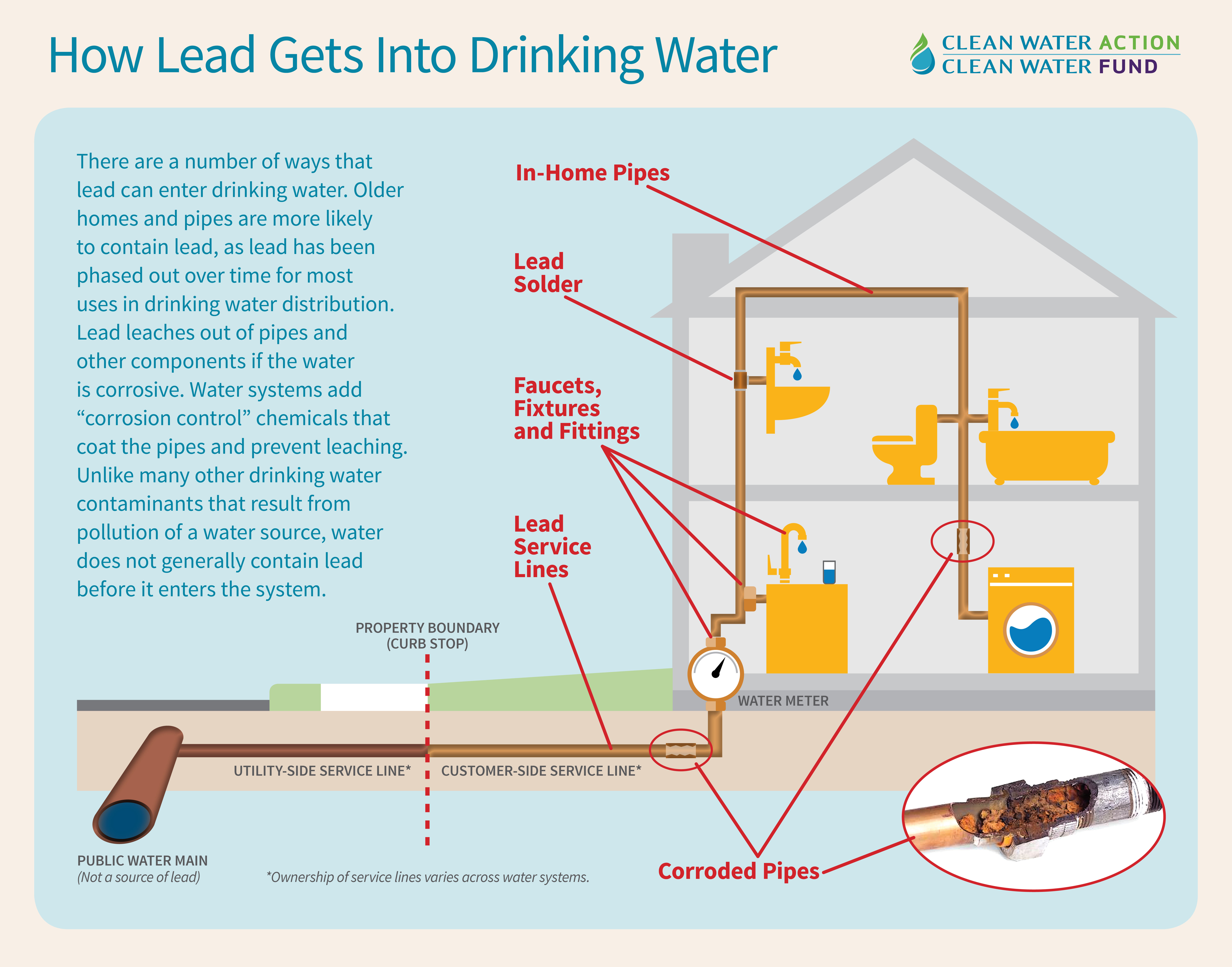
Think of it like the background music in a thriller—you can’t see it, but you sense its presence. The real giveaway isn’t visual; it’s the plumbing. Lead often enters water through old pipes, solder, or fixtures installed before 1986. So, if your home was built when leg warmers and mixtapes were cool (hello, 1980s!), it’s time to pay attention.
Must Read
What You Can See (Sometimes)
While lead itself is a ghost, it can tag along with visible clues. Discolored water—rusty red, brown, or yellow—can indicate corroded pipes, which often contain lead. If your water suddenly looks like a weak cup of iced tea, that’s a red flag—not a direct sighting, but a related symptom.
Fun fact: Particles of lead scale can break loose and settle in your glass as tiny specks, but they’re usually too small to spot without a magnifying glass. It’s like trying to see a single grain of sand on a beach—possible in theory, but not in practice.
The Cultural Clues: When Lead Hits Pop Culture
Remember the Flint water crisis? That wasn’t about people seeing lead in their glasses—it was about rust-colored water and strange tastes that smelled like metal. The visual was the side effect, not the lead itself. It’s a classic case of the symptom becoming the symbol.
In movies, contaminated water is often portrayed as glowing or bubbling dramatically. Reality check: Hollywood lies for drama. Real lead contamination is quiet, which is why it’s so dangerous. Think of it as the villain who whispers instead of yells.
 Lead and Drinking Water | Clean Water Action
Practical Tips: Your Lead Detective Kit
So, how do you hunt for an invisible enemy? First, test your water—not your eyes. Home test kits are affordable and available at hardware stores. They’re like a pregnancy test for your plumbing: quick, slightly nerve-wracking, and potentially life-changing.
Second, look for patterns. If your water smells metallic or leaves a funny aftertaste, that’s a hint, but not a confirmation. Fun fact: Lead has a sweet taste in high concentrations, which is as creepy as it sounds. But don’t rely on your tongue as a lab instrument—please.
Third, check your pipes. Exposed pipes under sinks? Scrape them with a key. If the metal is soft and shiny, it’s likely lead. If it’s hard and dull, you’re probably safe. This is the closest you’ll get to being a plumber-detective hybrid.
Fun Facts to Impress at Dinner Parties
Did you know the Roman Empire used lead in their aqueducts? Some historians joke it contributed to their fall—though that’s debated, it’s a great trivia bomb. Also, lead was once added to paint and gasoline, so we’ve come a long way in understanding its dangers.
 Lead in Drinking Water: Causes, Health Risks, and How to Improve Water
Another fun fact: Boiling water doesn’t remove lead—it concentrates it. So don’t try to “cook out” the toxin. Instead, use a certified filter or let cold water run for a minute before drinking. Cold water absorbs less lead from pipes than hot water does.
Your Daily Life Connection
Now, let’s bring this home—literally. You don’t need to live in fear, but you do need to stay curious and proactive. Most municipal water supplies are tested regularly, but the risk often comes from your own pipes. That’s like worrying about the locks on your front door instead of the neighborhood patrol.
Practical move: Run your tap for 30 seconds in the morning before drinking. This flushes out water that sat in pipes overnight, where lead dissolves faster. It’s a tiny habit that feels like a small act of self-care—like stretching before a run or choosing a good podcast for the commute.
Reflection: The Glass Half Full
At its core, the mystery of what lead in water looks like teaches us something bigger: the most dangerous things are often invisible. It’s not about paranoia; it’s about awareness. You can’t see love, germs, or the Wi-Fi signal either, yet you trust them (mostly).
So, raise your glass—after you’ve let it run for a bit. Your water might be clear, your pipes might be old, and your curiosity is your best tool. The next time you fill up, you’ll know that the real color of safety isn’t a shade—it’s the confidence that comes from knowing what to look for, even when you can’t see it.
