Does Distilling Water Remove Pfas

You’ve heard the buzzword PFAS—the "forever chemicals" lurking in your tap water, non-stick pans, and even rain jackets. It’s enough to make you eye your morning glass of H₂O...

You’ve heard the buzzword PFAS—the "forever chemicals" lurking in your tap water, non-stick pans, and even rain jackets. It’s enough to make you eye your morning glass of H₂O with suspicion. But before you spiral into a doom-scroll about contaminants, let’s talk about a simple, old-school solution: distillation. Does boiling water into steam and condensing it back really kick PFAS to the curb? The short answer is yes, but let’s unpack that with a little style and science.
The Science of the Sip
Distillation is basically nature’s reset button. You heat water until it vaporizes, leaving behind heavy metals, minerals, and yes, PFAS molecules, which are too large and non-volatile to travel with the steam. The vapor then cools into pure liquid—H₂O in its most stripped-down form. Studies show that home distillers can remove up to 99% of PFAS, including the pesky short-chain variants that slip through some filters.
Fun fact: astronauts on the International Space Station drink distilled water recycled from their own sweat and urine. If it’s good enough for zero-gravity coffee, it’s probably okay for your Sunday morning brew. Just know that distillation is not a magic wand; it works best when the water is pre-filtered to remove larger sediments, so you don’t gum up the machine.
Must Read
The Reality Check: Trade-Offs
Here’s the real tea: distillation strips out the good stuff too—calcium, magnesium, and those trace minerals your body actually likes. You’ll get pristine water, but it might taste a little flat, like a celebrity without their glam squad. The solution? Add a pinch of mineral drops or a squeeze of lemon to bring back the zing.
Also, distillation is slow and energy-hungry—think of it as the slow-fashion of water purification. A typical countertop unit takes four hours to make a gallon, and your electric bill will notice. But if PFAS are a genuine concern in your area (check your local water report), it’s a small price for peace of mind.
Cultural Cachet: From Alchemy to Your Kitchen
Distillation isn’t new—ancient Greeks used it to make seawater drinkable, and alchemists chased the philosopher’s stone with similar contraptions. Today, it’s having a hipster renaissance. You’ll spot sleek stainless-steel distillers on marble countertops in wellness influencer posts, next to a jar of sprouted almonds. It’s a vibe: slow, intentional, and a little bit extra.
 Mayu Water
The irony? PFAS are now so pervasive—found in 99% of Americans’ blood, according to the CDC—that filtering them out feels like a daily act of rebellion. You’re not just hydrating; you’re opting out of the industrial chemical party. That’s a pretty powerful ritual for something as simple as boiling water.
Practical Tips for the PFAS-Conscious
Tip one: If you’re buying a distiller, look for one with a carbon post-filter. This catches any volatile organic compounds that might sneak through. Brands like Megahome or Vevor are solid, affordable entries. Whatever you do, don’t rely on a basic countertop pitcher—most carbon filters alone don’t remove PFAS effectively (they’re designed for taste and chlorine).
Tip two: For tight budgets, a zero-water filter pitcher with a solid block carbon filter can reduce PFAS by 90% or more, but it won’t match distillation’s near-total removal. Reverse osmosis systems are another champ, but they waste a lot of water—about three to four gallons per one gallon purified. Distillation is the waste-not option.
And here’s a weird little fact: PFAS are used in dental floss, takeout containers, and even some guitar strings. So, even if you distill your water, you’re still on a treasure hunt for these chemicals. But hey, baby steps—your water is the big one.
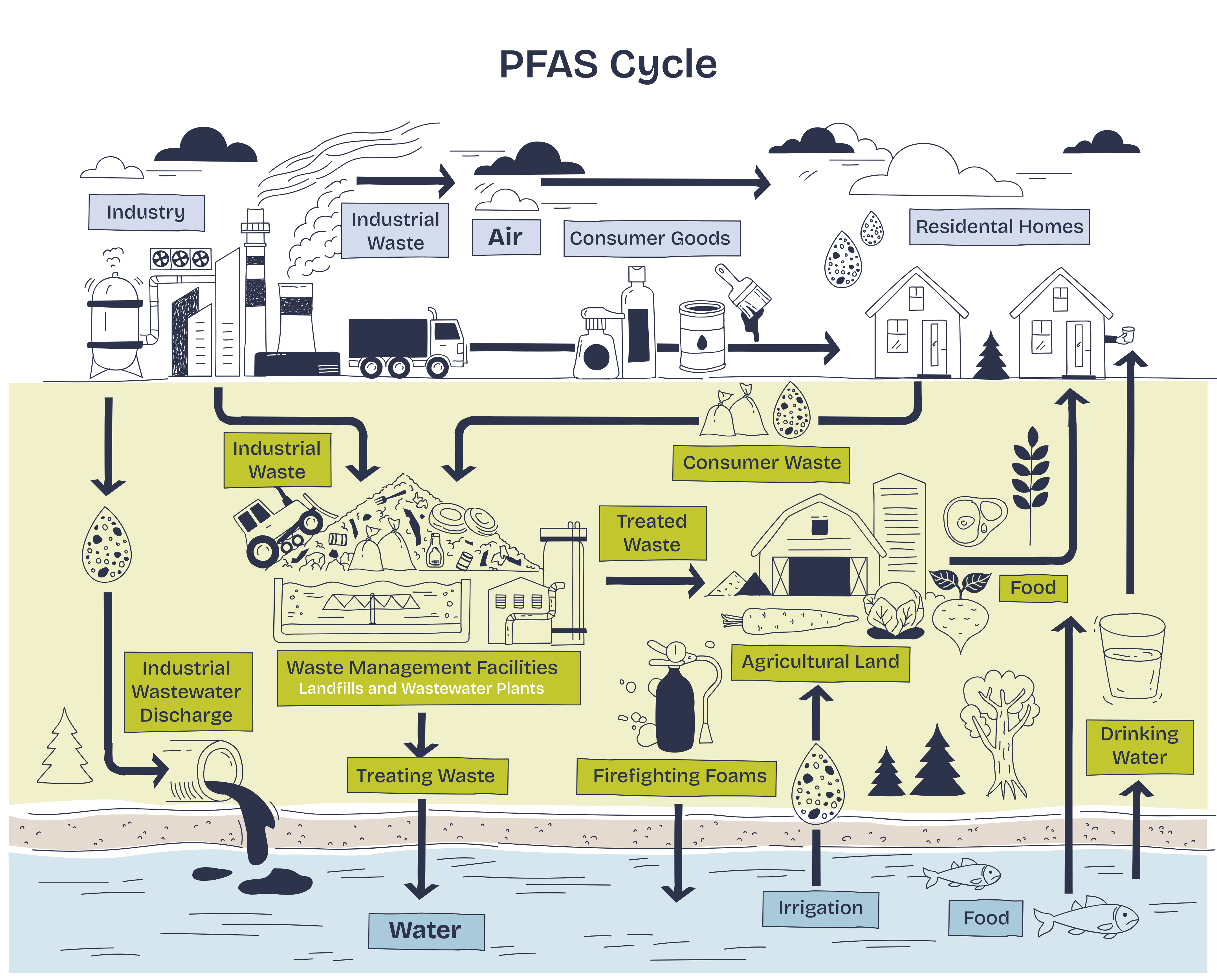 石墨烯膜创新技术旨在去除水中的全氟辛烷磺酸 | 石墨烯网
The Lifestyle Angle: Is It Worth the Hype?
Let’s be real: most municipal tap water is safe in the short term. PFAS are a long-game concern—linked to kidney issues, hormone disruption, and immune system effects after years of exposure. Distillation turns your water into a luxury commodity, a sip of control in a chaotic world. If you’re a pregnant person, a parent, or someone with a chronic condition, it’s a smart hedge.
But don’t let perfectionism spoil the fun. You don’t need to distill every drop. Use it for drinking and cooking, while the tap is fine for showering and watering plants (PFAS are poorly absorbed through skin). It’s like a capsule wardrobe for your hydration—curated, not obsessive.
Final Reflection: Water as a Daily Act
In a world that feels increasingly out of our hands—from microplastics to forever chemicals—distilling water is a small, tangible ritual of care. You’re not just removing PFAS; you’re reclaiming a bit of ancient wisdom, a slow process that demands nothing but time and attention. That’s a pretty meditative practice for a Tuesday afternoon.
Next time you fill your glass from a home distiller, pause. That water has traveled through the air, left its baggage behind, and returned to you clean—like a friend who shows up after a long journey, bringing nothing but presence. And really, isn’t that what we all need? Something pure, without the forever attached.
