Where Does Uk Tap Water Come From

Alright, let’s talk about the stuff you probably shower in, boil your pasta in, and occasionally (no judgment) drink straight from the tap. British tap water. It’s wet, it’s r...
Alright, let’s talk about the stuff you probably shower in, boil your pasta in, and occasionally (no judgment) drink straight from the tap. British tap water. It’s wet, it’s refreshing, and it’s almost free. But have you ever really wondered where the heck it actually comes from? Spoiler alert: it’s not from a magical river of tea flowing under Buckingham Palace (though that would be brilliant).
The Big Three: Rain, Reservoirs, and a Bit of Luck
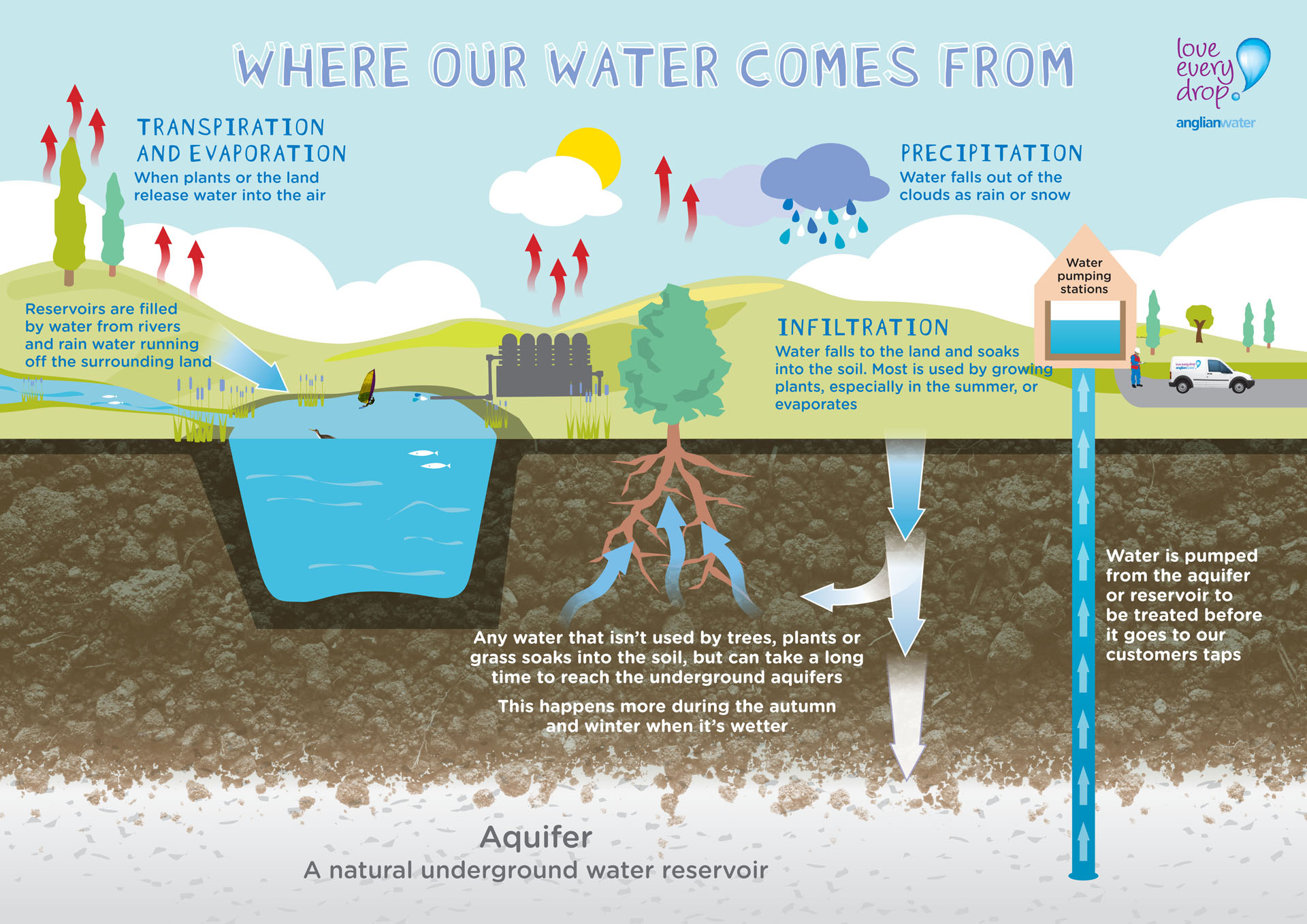
First things first: the UK is basically a rain magnet. We moan about it constantly, but that damp cloud above your head is actually doing you a solid. Rainfall is the star of the show, and it fills up our reservoirs, rivers, and underground aquifers.
Think of a reservoir as a giant, man-made bathtub in the countryside, minus the bubbles and rubber duck. We trap that rainwater in these massive lakes, let it settle, and then get to work cleaning it up. It’s like a spa day for water, but with less cucumber slices.
Must Read
Groundwater: The Secret Underground Party
Not all water hangs out on the surface. A huge chunk of our supply comes from groundwater, which is water that’s been chilling deep underground for decades. We’re talking about ancient rain that soaked through layers of rock and chalk, getting naturally filtered along the way.
It’s basically the VIP section of the water world—cleaner from the start, but still needs a proper polish before it hits your glass. Plus, it means we’re literally drinking dinosaur-era rain. Jurassic Park vibes, anyone?
The Water Company’s Supermarket Dash
Once the water is captured, it’s time for the water companies to do their thing. In the UK, you have different companies depending on where you live, like Severn Trent, Thames Water, or Scottish Water. They’re not all the same, but they all follow the same basic recipe.
First, they pump the water from the reservoir or borehole to a treatment plant. It’s like a giant car wash for water, but with fewer suds and more science. They add chemicals like chlorine to kill any nasties, and sometimes fluoride to help your teeth stay shiny.
Fun fact: they also use aluminium sulphate to make dirt particles clump together and sink. It’s basically a water version of “grab a buddy and get to the bottom.” Then they filter it through sand and carbon, making it as clear as your conscience after a good deed.
 Where Does The Uk Water Supply Come From at Sandy Vincent blog
From Treatment Plant to Your Kettle
After the spa treatment, the water zips through a massive network of pipes under your streets. These pipes are old, like “Queen Victoria might have taken a sip from this” old. 90% of the network is underground, and it’s constantly being patched up and replaced.
By the time it reaches your tap, it’s been tested hundreds of times to ensure it’s safe to drink. The UK has some of the strictest water quality standards on the planet. So yes, that glass of tap water is cleaner than most bottled water you’d buy at the airport. Take that, overpriced Evian.
What About the Hard Water Drama?
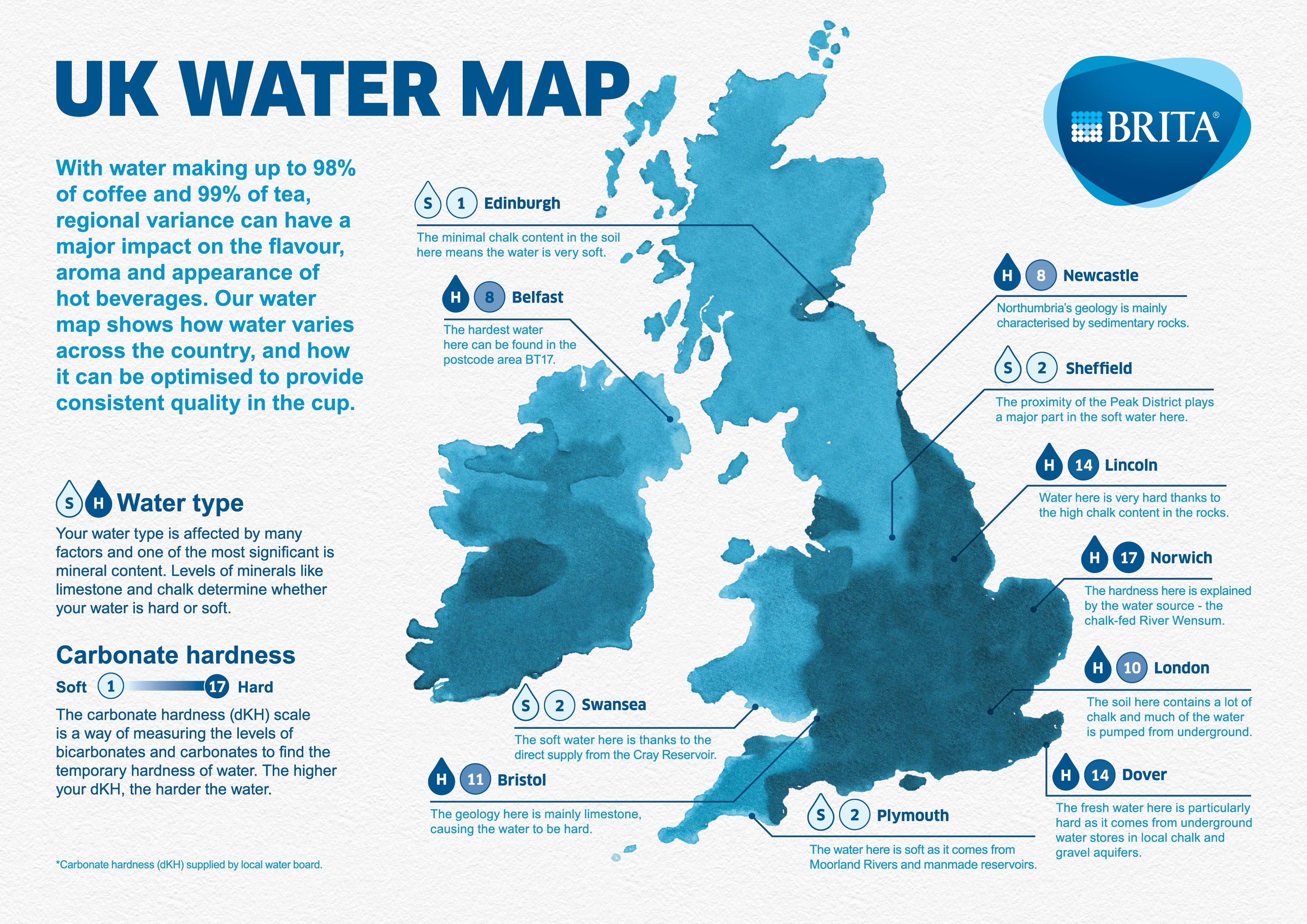
If you live in London or the south, you’ve probably noticed your kettle looks like it’s growing a white, crusty beard. That’s hard water, and it’s caused by all that groundwater passing through limestone and chalk. It picks up calcium and magnesium, which makes your water feel a bit “gritty” and leaves scale everywhere.
Don’t panic—it’s not dangerous. In fact, it’s actually good for your bones and your overall mineral intake. The downside? It wreaks havoc on your hair and makes your washing machine sound like it’s dying. But hey, you’re basically drinking a liquid multivitamin.
Soft Water vs. Hard Water: The Great North-South Divide
Up north, the water tends to be soft because it comes from surface reservoirs fed by rain that’s run off granite or peat. That’s why your Northern friends have silky hair and clean kettles. It’s also why they can make a perfect cup of tea without that weird white film on top.
 Where Does My Water Come From Southern Water at Stephen Gallagher blog
Down south, you get the hard water, which means more limescale but also a stronger chance of meeting your daily calcium needs. It’s a trade-off: south of Watford, your hair might be a bit stiff, but your bones are basically reinforced steel.
One Last Surprising Source: Desalination
Believe it or not, the UK even uses the sea! There’s a huge desalination plant in London that turns seawater into drinking water when the Thames is low. It’s expensive and energy-hungry, so it’s a backup plan, not the main act.
But still, imagine that: your tap water might have once been a wave that a seagull pooped on. Nature is beautiful, isn’t it?
The Uplifting Conclusion You Deserve
So next time you fill up a glass, pause for a second. That water has been on an epic journey—from a rainy hilltop, through a reservoir, into a treatment plant, past a hundred-year-old pipe, and finally into your cup. It’s been filtered, tested, and blessed by British bureaucracy.
And here’s the best part: you’re part of the circle of hydration. You drink it, you sweat it out, you flush it away, and it gets cleaned and returned to the river. You are a temporary vessel for water that will eventually rain down on someone else’s garden. How beautiful is that?
You are, literally, a walking cloud. So enjoy that tap water. It’s free, it’s fantastic, and it’s the reason your tea tastes like home. Cheers, you beautiful, hydrated human.
