How Much Does Digging A Well Cost

So, you’re thinking about digging a well. Maybe you’re tired of that sky-high water bill every month, or perhaps you just want to water your prize-winning petunias without fee...
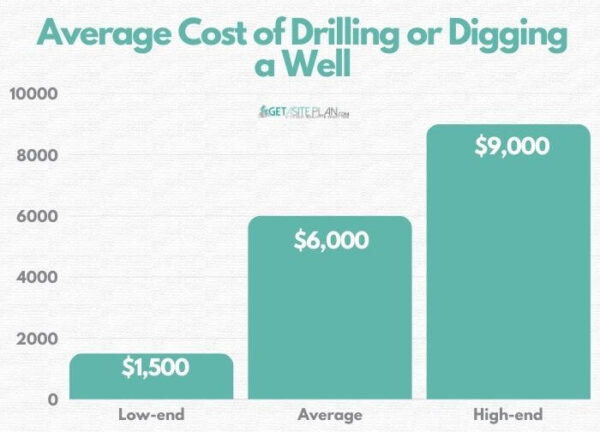
So, you’re thinking about digging a well. Maybe you’re tired of that sky-high water bill every month, or perhaps you just want to water your prize-winning petunias without feeling guilty. I get it. That little voice in your head is asking, “How much is this going to cost me?” Let’s grab a cup of coffee and talk it through like normal folks.
The short answer? Digging a well can cost anywhere from $1,500 to $12,000, but most homeowners shell out around $5,500. That’s a wide range, I know. It’s like asking how much a car costs—you can get a beat-up sedan or a shiny SUV, and the price tag changes big time.
Think of it this way: you’re not just buying a hole in the ground. You’re investing in a mini water utility that sits right in your backyard. No more worrying about the city shutting off your sprinklers during a drought. That peace of mind? Priceless.
Must Read
The Big Factors: What Makes the Price Wiggle?
First up is depth. If your land is a thirsty sponge, you might only need to go 30 feet deep. That’s a bargain. But if you live on a stubborn rock bed? You could be drilling 300 feet down or more.
Every foot costs money—usually $15 to $60 per foot. Imagine you’re drilling for treasure, but the treasure is just clean water. The deeper you go, the more your wallet feels it. Ouch.
Next is your soil type. Sandy soil is a dream—it drills fast and cheap. Hard clay or giant boulders? That’s the nightmare. Your driller might hit a rock and suddenly you’re paying for extra time and special equipment.
One friend of mine in Texas spent an extra $2,000 because his drill bit met a monster limestone slab. He joked it was the most expensive rock he never wanted to see. I laughed, but I also winced.
Don’t Forget the Hardware (Pump, Casing, and That Funny Cap)
The hole is just the start. You need a pump to push that water up to your faucet. A basic pump runs $300 to $600, but a fancy one for a big house? Up to $2,000. Then there’s the casing—a pipe that lines the hole so dirt doesn’t cave in.
Casing costs about $10 to $20 per foot. It’s like buying a straw for your milkshake, except this straw is steel and goes really deep. You’ll also need a well cap to keep bugs and leaves out. It’s small, but it matters—nobody wants a spider in their drinking glass.
Add a little pressure tank and some wiring, and you’re looking at an extra $800 to $2,500. The total can sneak up on you, like finding out your “free” coffee at the dentist actually costs $50 in X-rays. Surprise!
So, Why Should You Care? (Besides Saving Money)
Here’s the fun part. Once that well is done, the water is free. No more monthly bills. Imagine filling up a kiddie pool for your dogs on a hot summer day without a second thought. That’s freedom, my friend.
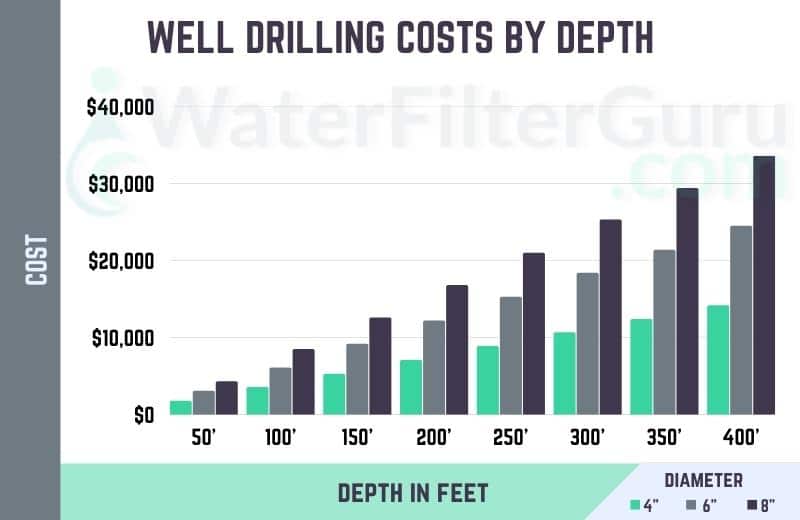 How Much Does a Well Cost? (2024 Well Drilling Cost Guide)
Plus, well water often tastes amazing. It’s cold, clean, and fresh from the earth. You’ll start drinking more water, and your skin might even glow. Okay, I can’t promise glowing skin, but it’s possible.
It also adds value to your property. A working well can boost your home’s resale price by thousands of dollars. So if you ever move, that hole pays you back. It’s like burying a treasure that grows in value—except you actually bury a pipe.
What About Permits and Tests? (Yes, Boring but Necessary)
You can’t just grab a shovel and start digging on a Tuesday afternoon. Most places require a permit, which costs $200 to $500. They want to make sure you’re not drilling into a sewer line or an old bathtub.
Then you need a water quality test. This checks for bacteria, minerals, and stuff like arsenic. It costs around $100 to $400. I know—it feels like paying for a pop quiz in school. But you want to know your water is safe, right? Right.
Skipping the test is like eating mystery meat at a potluck. You might be fine, or you might regret it for a week. Better to just pay the small fee and sleep easy.
The Real-World Story: Meet Linda and Her Lavender Farm
Let me tell you about my neighbor, Linda. She wanted to start a little lavender farm in her backyard because she saw it on Pinterest. Her water bill for the city was $200 a month in summer. She said, “That’s crazy—I could buy a nice dinner with that.”
She got a well for $4,800. Now she waters her lavender for free, and she sells bundles at the farmer’s market. Her profit? About $300 a month. She’s making money from a hole in the ground. That’s the kind of story that makes you smile.
Of course, not everyone wants a lavender farm. Maybe you just want a garden that doesn’t look like a desert in July. A well gives you that power. You become the boss of your backyard.
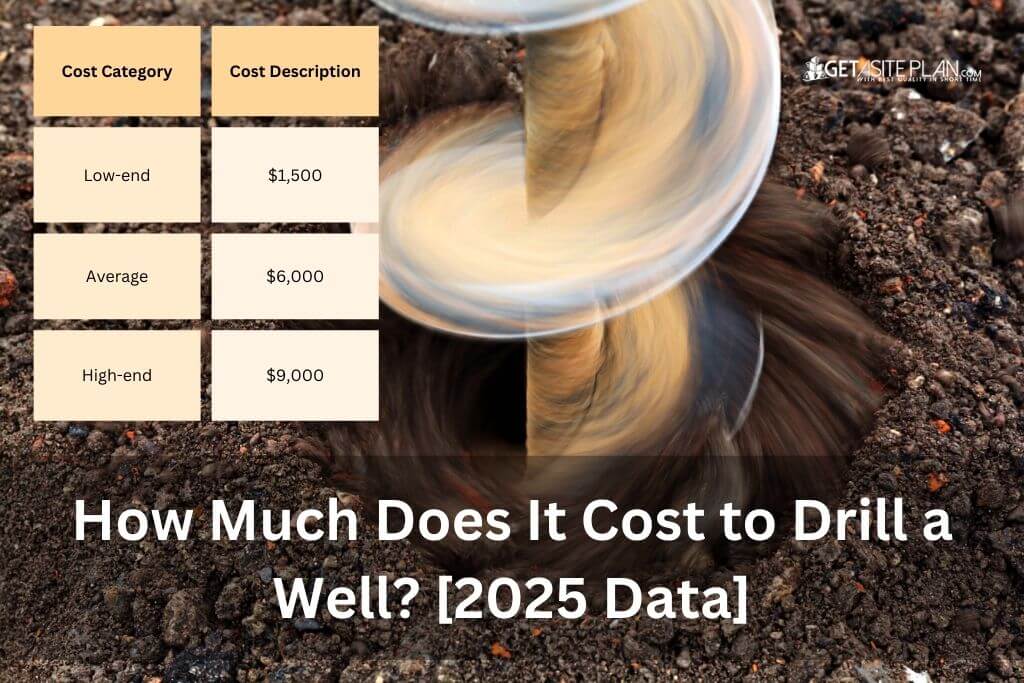 Digging a Well - How To, Regulations and Permits - GetASitePlan
Hidden Costs? Let’s Be Real for a Second
Drilling can hit surprises. If the driller finds a gas pocket or a sand layer, it might cost extra. Also, you’ll need maintenance every few years—like changing the pump or cleaning the screen. Budget $200 to $500 for that every five years.
But compare that to your monthly water bill over a decade? A typical family spends $60 a month on water. That’s $7,200 over ten years. A well costing $5,500? You save money by year eight. Plus, you never have to fight your neighbor for the last hose at the hardware store.
And here’s a little secret: well water is often healthier than city water because it has fewer chemicals. No chlorine aftertaste. Your morning coffee could taste like it’s from a fancy café. Coffee lovers, raise your mug.
So, How Do You Get Started Without Going Broke?
First, get at least three quotes from local well drillers. Ask them for a breakdown: depth, casing, pump, and permits. Don’t just pick the cheapest—pick the one who seems honest and has good reviews. Word of mouth is gold here.
You can also go in with a neighbor. If your property lines are close, you might share a well and split the cost. It’s like a water-sharing potluck. Just make sure you agree on rules before the hole gets dug.
Finally, ask about government rebates. Some states give tax credits for drilling wells, especially in dry areas. It’s not a huge amount, but every dollar helps. And you can use that saved money for something fun—like a new garden gnome or a bigger kiddie pool.
So, how much does digging a well cost? It could be two weeks’ salary, or it could be a year’s worth of water bills. But the real cost is a choice: do you want to keep paying someone else for water, or do you want to own your own liquid freedom?
For me? I say go for it. Just don’t forget to test the water first—and maybe buy an extra cup of coffee for the driller. They work hard, and you’ll both be grateful when that first sip of well water hits your lips. Now, go dig into the idea. No shovel required. Yet.
