What Is The Tds Of Drinking Water

You’ve probably seen it on a water bottle label or heard it whispered in a hipster café: TDS. Standing for Total Dissolved Solids, it’s the measure of everything dissolved in...
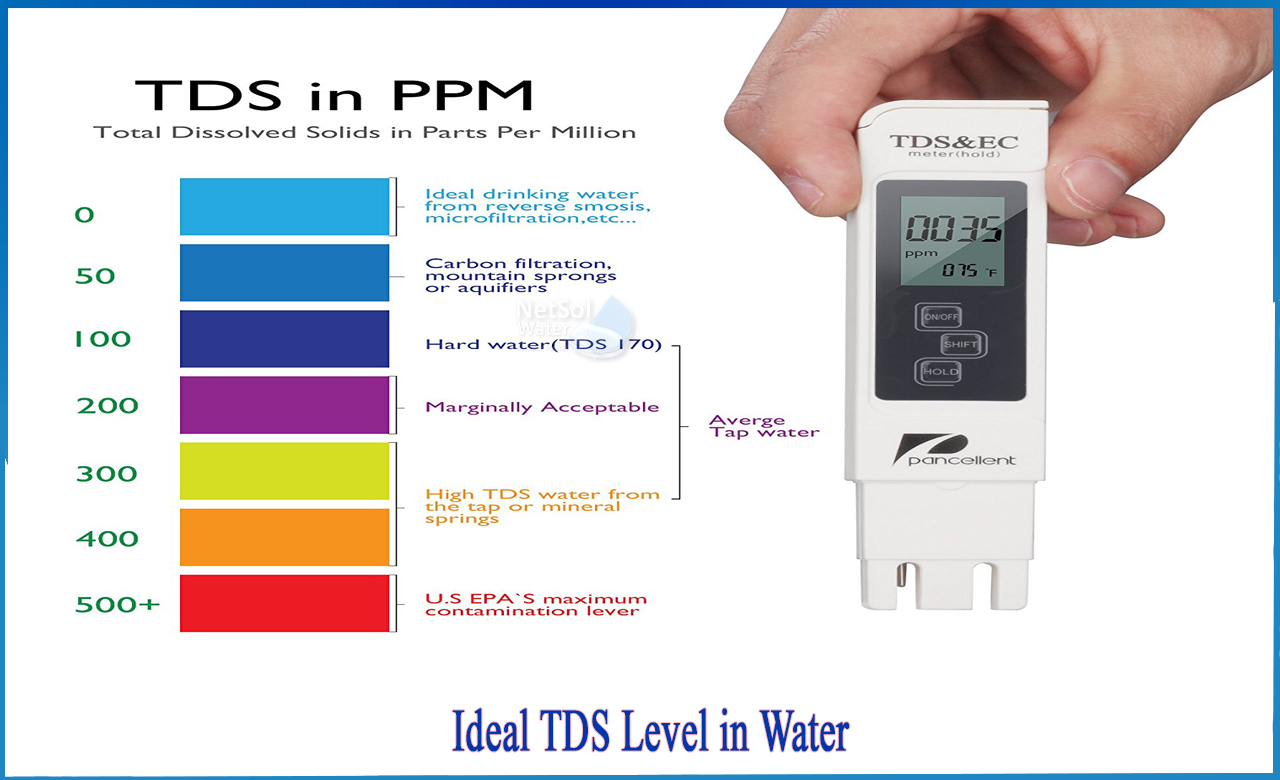
You’ve probably seen it on a water bottle label or heard it whispered in a hipster café: TDS. Standing for Total Dissolved Solids, it’s the measure of everything dissolved in your water—minerals, salts, and a tiny bit of organic matter. Think of it as the water’s personality score.
Imagine your glass of water as a party. TDS is the guest list: calcium, magnesium, potassium, sodium, and a few shy chlorides. Some guests make the party better (hello, healthy minerals), while others, like excess lead or arsenic, are the ones you want to kick out.
In short, TDS is measured in parts per million (ppm). Tap water often sits between 100 and 400 ppm, while bottled spring water can range from 20 to 500 ppm. Distilled water? That’s the wallflower with almost zero ppm—pure but boring.
Must Read
Why Should You Care About Your Water’s TDS?
Here’s the real tea: TDS isn’t inherently good or bad. It’s a context thing. A high TDS near 900 ppm might mean your water has too much salt or calcium, making it taste metallic or chalky—like licking a penny covered in limestone.
On the flip side, water with a TDS under 50 ppm can taste flat or empty. Your tongue craves a little mineral drama. That’s why sommeliers and coffee nerds obsess over TDS: it affects flavor, mouthfeel, and even how your espresso extracts.
For health, the World Health Organization suggests a range of 100 to 300 ppm as ideal for daily drinking. But let’s be real—most municipal water is safe even at 400 ppm. Your kidneys are built for this.
Fun Cultural Reference: The “Hard Water” Struggle
Ever visited a friend’s house and noticed white spots on their glassware? That’s hard water—high TDS from calcium and magnesium. In places like London or the American Southwest, locals joke that their water “fights back.” It’s why some Brits use water filters religiously.
Meanwhile, in Japan, they take low TDS to an art form. Many Japanese households use kangen or ionized water machines to achieve a soft, silky sipping experience. It’s like water spa treatment.
Here’s a fun little fact: a single glass of premium mineral water from Fiji has a TDS of around 210 ppm. That’s almost the same as the average European tap. So while you’re paying for the bottle, you’re mostly paying for the vibe.
 Understanding TDS in Water: Key Facts – Waterdrop Australia
Practical Tips for Managing TDS at Home
First, test your water. You can buy a cheap TDS meter on Amazon for under $15. It’s a pen-like gadget that beeps, and you dip it into a glass. Instant results—no chemistry degree required.
If your TDS is above 500 ppm, consider a reverse osmosis system or a carbon filter. These reduce TDS without stripping all the good stuff. But don’t go under 30 ppm unless you like your water naked and flat.
Pro tip: boiled water doesn’t change TDS. That myth needs to die. Boiling kills bacteria but leaves the minerals and solids exactly where they are. You’re just making hot, hard water.
For the eco-conscious, a countertop filter like a Berkey or a Brita can lower TDS by 10–30%. It’s not perfect, but it’s better than drinking from plastic bottles—and your wallet will thank you.
How TDS Fits Into Your Daily Ritual
Your morning coffee: water at 100–150 ppm extracts the best flavors from beans. Too high (over 300 ppm), and it over-extracts, making your brew bitter and muddy. Too low (under 50 ppm), and you get sour, weak coffee. It’s science, not snobbery.
Your evening tea: different story. Delicate green teas prefer lower TDS—around 50–100 ppm—to let their floral notes sing. Black tea, like Assam or Earl Grey, can handle a higher 200 ppm without drama.
 What Should Be The Tds Of Bathing Water
And don’t forget your skin. High TDS water (hard water) can leave your hair feeling like straw and your skin dry. That’s why some people swear by shower filters in cities like Los Angeles or Mumbai.
The Calcium Conspiracy: Is High TDS Bad for You?
Not really. Most of the solids in high TDS water are calcium and magnesium. Studies show these can actually benefit your heart and bones. The problem is when TDS includes heavy metals like lead, copper, or arsenic.
So don’t panic if your water is 400 ppm from natural minerals. Do panic—and call a plumber—if it’s 400 ppm from an old pipe system. That’s where a TDS meter alone isn’t enough; you need a full water test.
One more fun fact: the highest TDS in natural drinking water comes from the Evian spring in the French Alps, clocking in at about 309 ppm. And people pay a premium for it. Perception is everything.
Final Reflection: Water as a Mirror
Your drinking water doesn’t need to be perfect; it needs to be right for you. TDS is just one number on a dial, like the temperature in your home. Too high, and you’re uncomfortable; too low, and life feels empty.
Next time you fill your glass, pause. Notice the taste, the clarity, the way it makes your skin feel after a shower. That subtle information is TDS whispering its story. You don’t need to become a water scientist—just a curious human.
After all, the average person drinks about 1,000 glasses of water a year. Make each one a conversation, not a transaction. Your body, your coffee, and your morning routine will thank you. Cheers to good water.
