What Is Considered Hard Water Ppm

So, you’ve heard about hard water. Maybe your shower glass looks like a crime scene, or your kettle sounds like it’s gargling rocks. You’re probably wondering, “What even is ‘...

So, you’ve heard about hard water. Maybe your shower glass looks like a crime scene, or your kettle sounds like it’s gargling rocks. You’re probably wondering, “What even is ‘hard water ppm,’ and am I in trouble?” Let’s spill the tea—preferably tea that doesn’t have a weird, cloudy film on top.
First, ppm stands for “parts per million.” Think of it like this: imagine you have a million tiny water molecules, and a few of them are actually mineral imposters. Those imposters are mostly calcium and magnesium. When we say “hard water,” we’re really talking about how many of those mineral buddies are hanging out in your H2O.
The Magic Numbers: What’s “Normal” vs. “Yikes”?
Here’s where it gets juicy. Water hardness is measured on a scale that feels a bit like a clumsy first date—awkward at first, but you get the hang of it.
Must Read
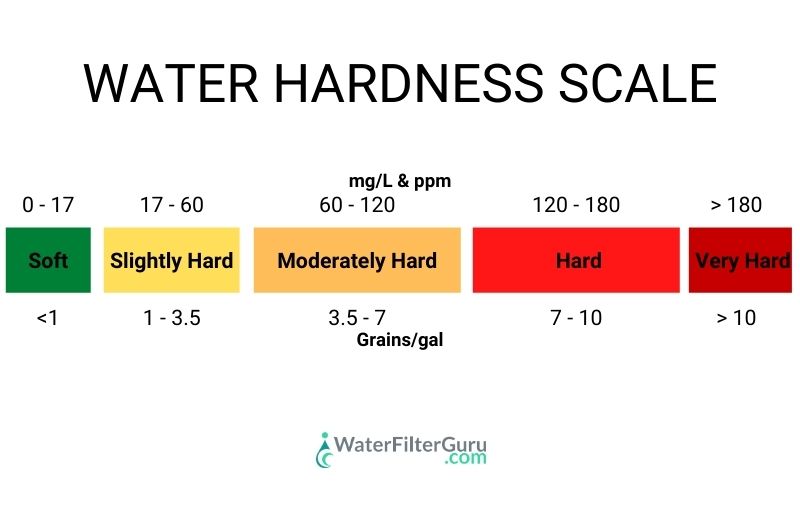
Soft water is anything under 60 ppm. This stuff is basically a hug from a cloud. Your soap lathers like a dream, and your hair feels like silk. No drama.
Then we hit moderately hard water, which is 61 to 120 ppm. This is where you start seeing a few soap scum spots. It’s not a crisis, but your faucets are giving you the side-eye.
Hard water (the official title) starts at 121 to 180 ppm. Yep, that’s where the mineral party gets loud. You’ll notice white buildup on your dishes, and your laundry might feel a bit scratchy. Can you hear your water heater crying? Me neither, but it is.
When PPM Goes Rogue: The “Very Hard” Zone
Now we’re talking about 181 ppm and above. This is very hard water. Your coffee maker might revolt. Your skin? It’s plotting a mutiny. I’ve heard rumors that water above 250 ppm can make your shampoo feel like you’re washing your hair with a chalkboard eraser. Exaggeration? Maybe a little. But not far off.
 How to Reset Ninja Coffee Bar Clean Light
Most cities in the U.S. sit between 100 and 300 ppm. Some places, like parts of the Southwest, hit 400 ppm. That’s basically bottled mineral water that hasn’t paid rent. You could literally chew on the sediment. Don’t. Please don’t.
How Do You Even Know Your PPM? (Without Becoming a Scientist)
Easy. You can buy a little gadget called a TDS meter for like ten bucks. It’s a tiny plastic stick that you dip in your glass. It blinks a number at you. Boom—you’re a water detective.
Or, you know, look for the clues. Does your soap refuse to lather? That’s hard water. Are your glasses covered in white spots that look like a zebra’s weird cousin? Hard water. Do you have a strange urge to scrub your shower door every Tuesday? Yeah, that’s the minerals forming a tiny civilization.
But Is Hard Water Dangerous? (Spoiler: Not Really)
Here’s the thing: drinking hard water is totally safe. In fact, those calcium and magnesium minerals are good for your bones. You’re basically getting a free multivitamin with every glass. Cheers!
The real trouble is for your appliances. That buildup—called scale—is like cholesterol for your pipes. It clogs your water heater, wrecks your dishwasher, and makes your coffee taste like a regretful decision. At 180 ppm, your appliances work about 20% harder. That’s like asking a hamster to run a marathon. Uncool.
 What is Hard Water? - MyExcellentWaterFilter.com
So, What PPM Is “Considered” Hard?
If you’re asking Google, the general consensus is anything over 120 ppm is officially “hard.” But let’s be real: you won’t notice it until you hit 150 ppm. That’s the sweet spot where people start googling “water softener prices” and crying into their spotty glasses.
If your water is under 60 ppm, congratulations! You’re living the soft life. Literally. If you’re between 60 and 120 ppm, you’re in the “meh” zone. Not bad, not great. Like a lukewarm shower.
What About That “Hard Water” Smell?
Oh, you noticed that, too? Hard water doesn’t have a smell, but it can make your tap water taste… minerally. You know, that “earth” flavor that makes you feel like you’re drinking a river. It’s not bad—it’s just earthy. Like a hug from a rock.
The Bottom Line (Or, How to Stop Worrying and Love the PPM)
Look, hard water ppm is just a number. 100 ppm? You’re fine. 250 ppm? You might want a water softener or a sense of humor. 400 ppm? My friend, you are not drinking water—you are drinking liquid geology. Get a filter. Seriously.
In summary: if your ppm is below 60, brag about it. If it’s above 180, buy a descaler and name your shower crust “Carl.” And if someone asks you, “What’s considered hard water ppm?” just smile and say, “Anything above 120, but the real drama starts at 200.” Then sip your cloudy tea with dramatic flair. You’ve earned it.
