What Is Soft Water And Hard Water

So, you’ve probably heard the terms hard water and soft water thrown around, right? Maybe you noticed your soap doesn’t lather well, or your shower leaves a weird white crust...

So, you’ve probably heard the terms hard water and soft water thrown around, right? Maybe you noticed your soap doesn’t lather well, or your shower leaves a weird white crust on the glass. Let’s break it all down without any chemistry nightmares—I promise!
What’s the Big Difference?
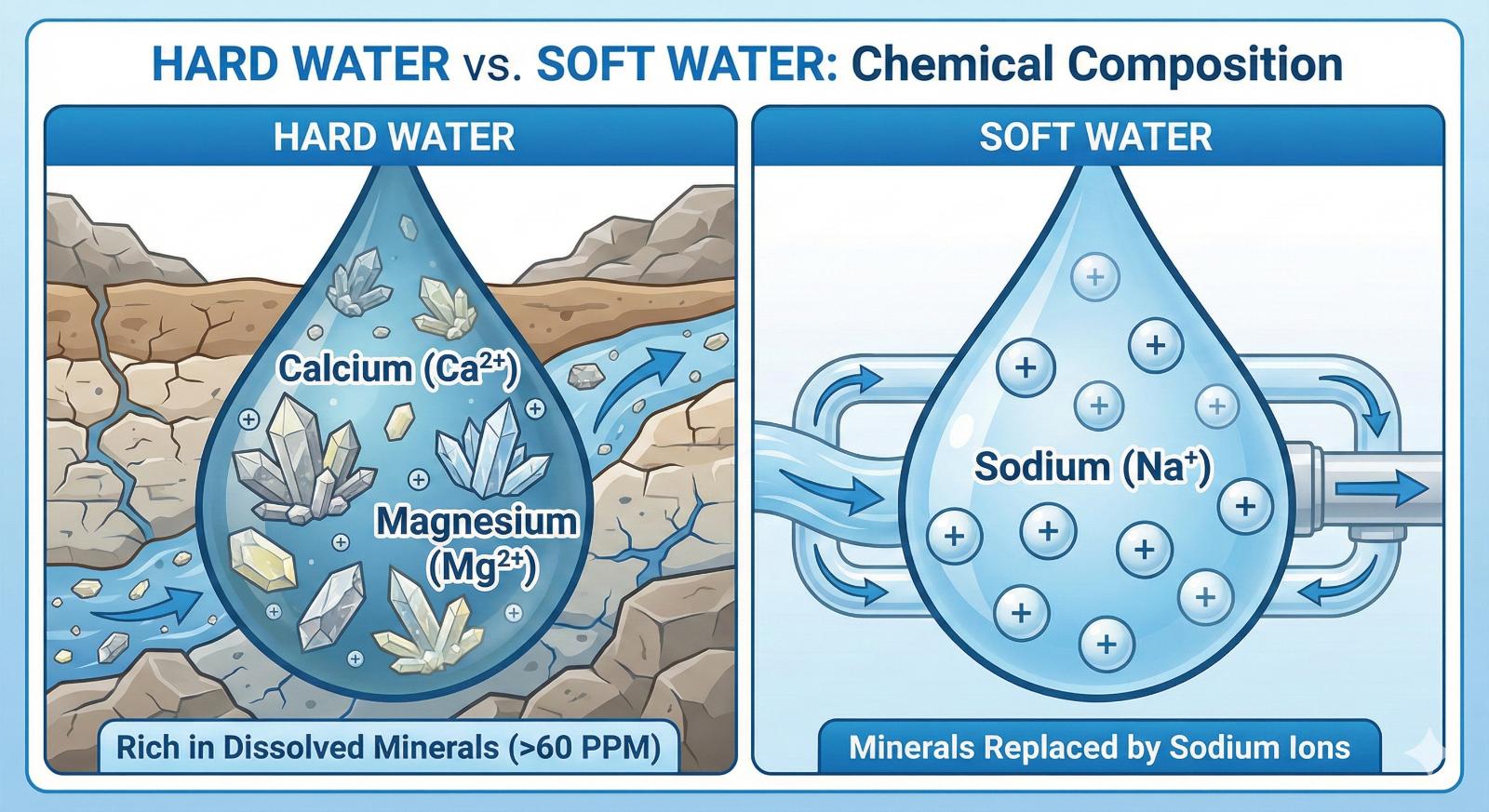
Think of water like a sponge. As it travels through the ground, it picks up minerals—mostly calcium and magnesium.
Hard water just means it has a lot of those minerals. Soft water has very few, or they’ve been removed.
Must Read
It’s not dangerous, but it can be a real nuisance around the house. Like that friend who always borrows your stuff and never returns it—annoying, but not life-threatening.
How Can You Tell If You Have Hard Water?
First clue: your soap turns into a sad, scummy film instead of a bubbly cloud. If you feel like you’re scrubbing with a greasy crayon, you probably have hard water.
Second clue: white, chalky deposits (called scale) on your faucets, coffee maker, or showerhead. It looks like a snowflake threw up on your chrome.
Third clue: your laundry comes out stiff and dingy, even after washing. Hard water just clings to your clothes like a stage-five clinger.
The Good, the Bad, and the Soapy
Hard Water: The Villain in Your Pipes
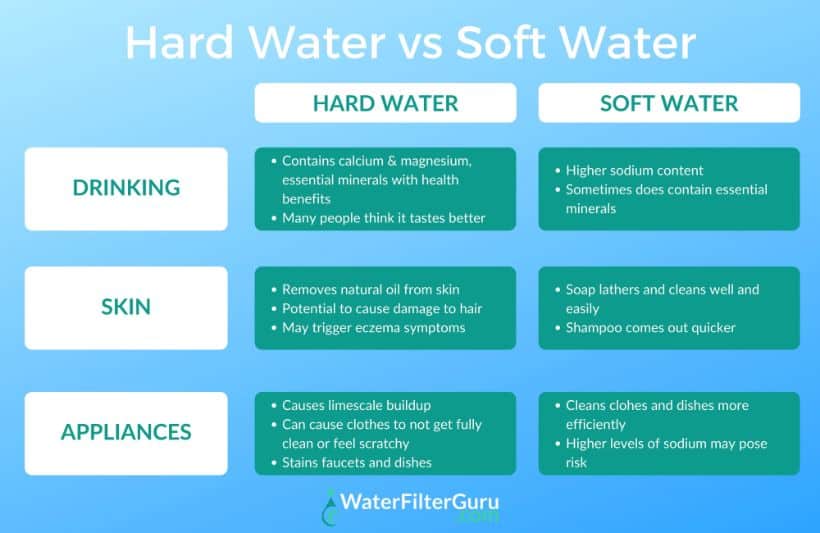
Hard water is not bad for your health—in fact, those extra minerals can be good for your bones. But it wreaks havoc on your appliances.
Scale builds up inside water heaters, dishwashers, and pipes, making them work harder and die younger. It’s like feeding your appliances a brick-and-mortar diet.
Plus, hard water makes your hair feel straw-like and dry. You’ll spend hours conditioning, and your ends will still look like they fought a tumbleweed.
 Is Soft Water Better for Your Hair? Hard vs Soft Water Compared (2026)
Soft Water: The Hero in a Salt Tank
Soft water is basically hard water that’s had its minerals swapped for sodium or potassium (through a water softener). It lathers like a dream and leaves your skin feeling silky.
Your dishes come out sparkling without spots, and your coffee maker won’t look like a cave formation. Soft water is the friend who always brings snacks and helps you clean up.
The downside? It can feel a bit slippery when you rinse off, almost like you never fully washed the soap away. Don’t panic—you’re just not used to being that clean.
Testing Your Water (No Lab Coat Required)
You can buy a simple water hardness test kit at any hardware store for like ten bucks. Or, just fill a clear bottle halfway with water, add a few drops of dish soap, and shake.
If you get a cloud of bubbles, you’re good—soft water. If you get a thin, sad layer of suds and that scummy film? Congrats, you’re living with hard water.
Another free method: check your local water utility’s annual report online. Yes, it’s boring, but it’s free. And you can pretend you’re a scientist for five minutes.
Should You Soften Your Water?
If you have moderate hardness, you might not need a full softener. A simple filter on your showerhead can do wonders for your hair and skin.
If your scale is so thick you can carve your initials into the kettle, a whole-house water softener is a game-changer. Your appliances will thank you with longer lives and lower energy bills.
 Soft Water Vs. Hard Water : Hard Water and Soft Water – CIMEKD
But remember: softened water isn’t great for watering plants (too much salt) and some people dislike the taste. So you can install a bypass for garden hoses and drinking taps.
Fun Fact: Hard Water Isn’t All Bad
Studies suggest that drinking hard water may reduce your risk of heart disease and high blood pressure. So those extra minerals? They’re basically a free multivitamin in your tap.
Also, hard water is famous for making the best tea (yes, real tea nerds argue about this). The minerals react with tannins to create a richer flavor—so your morning cuppa might taste better with hard water.
Soft water, on the other hand, can make tea taste flat. So if you’re a tea snob, maybe keep a jug of hard water for brewing. Priorities, people!
The Final Sip
Whether you’re in Team Hard or Team Soft, the water in your home is still perfectly safe to drink and bathe in. It’s just a matter of convenience and preference.
Think of it like choosing between crunchy and creamy peanut butter—both are delicious, but one leaves a weird paste on the roof of your mouth. You’ll figure out what works for you.
So next time you see white crust on your faucet, don’t panic. Just smile, give it a scrub, and remember: you’re not fighting a curse. You’re just dealing with some very enthusiastic mineral visitors. And at least your tea will be epic!
Stay hydrated, you wonderful, sparkling human.
