What Is The Ph Of Deionized Water

So, you’re wondering about the pH of deionized water? Grab a coffee (or tea, I don’t judge) and let’s dive into this surprisingly weird topic. I promise, it’s more fun than it...

So, you’re wondering about the pH of deionized water? Grab a coffee (or tea, I don’t judge) and let’s dive into this surprisingly weird topic. I promise, it’s more fun than it sounds—and there’s a plot twist.
First, a quick refresher: pH is just a scale from 0 to 14 that tells you how acidic or basic something is. Pure water, the stuff from a pristine mountain stream, sits right at 7.0—perfectly neutral. But here’s the kicker: deionized water is not your average tap water.
What even is deionized water?
Deionized water is water that’s had all its ions stripped away—like a celebrity losing their entourage. Ions are charged particles (like calcium, sodium, or chloride) that normally hang out in H2O.
Must Read
When you deionize water, you’re basically giving it a spa day where it sheds everything but the H and the O. It becomes ultra-pure, and that’s where the pH drama begins.
Think of it this way: regular water is like a social butterfly, full of impurities and ready to party. Deionized water is that introvert who just wants to be alone—and it gets super sensitive as a result.
The big, weird answer
Here’s the truth that might blow your mind: the pH of deionized water is not always 7.0. In fact, it’s basically a pH shape-shifter.
When deionized water is perfectly pure and fresh out of the system, it can indeed read as 7.0. But give it a moment—like five seconds—and it will start absorbing carbon dioxide from the air.
CO2 dissolves in water to form carbonic acid, which drops the pH to around 5.5 to 6.5. Yep, your “pure” water just became a little acidic. It’s not dangerous—it’s just awkward chemistry.
Why does this matter? (And why should you care?)
If you’re a scientist or a lab geek, this is a huge deal. You can’t trust a pH reading from deionized water unless you measure it immediately, while it’s still holding its breath.
But for the rest of us? It’s mostly a fun fact to drop at parties. “Hey, did you know deionized water is basically a pH chameleon?” (Wait for the groans.)
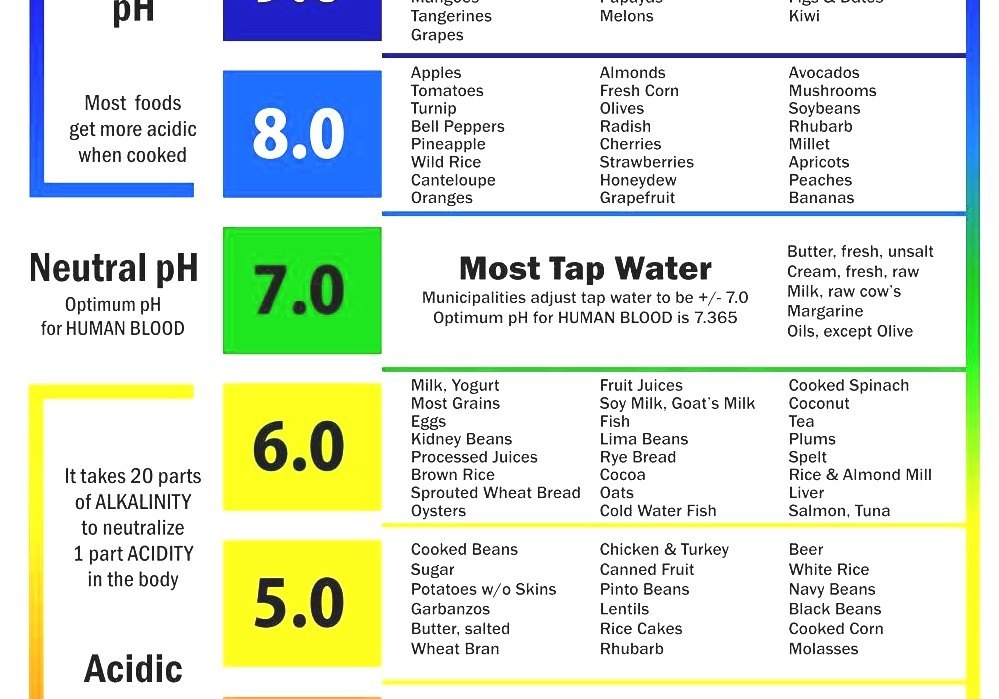 Purified Water - Di Water Ph
Also, if you ever drink deionized water—don’t. It’s not toxic, but it’s so hungry for ions that it’ll start pulling minerals from your body if you chug it. Stick to tap or filtered water for hydration, my friend.
The sneaky problem with measuring pH
Here’s where it gets hilarious. Regular pH meters are designed to measure ions. Deionized water has almost no ions. So, the meter often gives a wildly inaccurate reading—like asking a scale to weigh a ghost.
To get a real answer, you need a special meter or you have to add a tiny bit of salt to “help” the water conduct electricity. That’s right: you have to cheat to measure purity.
So, if you ever see someone confidently say, “The pH of deionized water is exactly 7.0,” they’re either a wizard or they haven’t read the fine print. Spoiler: they’re probably not a wizard.
What about distilled water? Is it the same?
Almost! Distilled water is made by boiling and condensing steam, so it’s also super pure. But it still picks up CO2 from the air, so its pH also hangs around 5.5 to 6.5.
Difference? Distilled water might still have trace minerals if the equipment is old. Deionized water is like the über-pure cousin—but both are shy about showing their true pH.
Think of them as twins who both blush when you ask a direct question. Adorable, but unhelpful.
 Does water have a taste? And can we taste it? - SMD.com
So, what’s the final answer?
If you’re writing on a test: Deionized water has a pH of 7.0 in theory. But in the real world, it’s usually between 5.5 and 6.5 because of that sneaky CO2.
If you’re a scientist: use fresh, deionized water and measure it quickly, or accept that you’re measuring carbonic acid. Embrace the chaos.
If you’re just curious: congratulations! You’ve learned that even water can be a little bit of a drama queen. And that’s okay.
The uplifting conclusion (I promised you one!)
Here’s the beautiful thing: deionized water isn’t broken—it’s just adaptable. It changes to match its environment, like a tiny, liquid chameleon made of H2O. And honestly? That’s kind of inspiring.
We all have those moments where we feel a bit “off” or out of balance—like our pH has shifted because of the world around us. But just like deionized water, we can reset. A little time, a little fresh air (or a deep breath), and we find our way back to neutrality.
So, the next time you see a bottle of deionized water, don’t think of it as boring or confusing. Think of it as a reminder: it’s okay to be pure, sensitive, and a little unpredictable. You’re still exactly what you need to be—even if you’re not a perfect 7.0.
Now go enjoy your day, and please leave the deionized water for the lab. Drink something tasty instead. You’ve earned it.
