How To Get Hard Water Out Of Hair

The first time you notice it, it feels personal. That dull, sticky film on your hair after a shower—like your scalp just lost a silent negotiation with your faucet. Hard water...

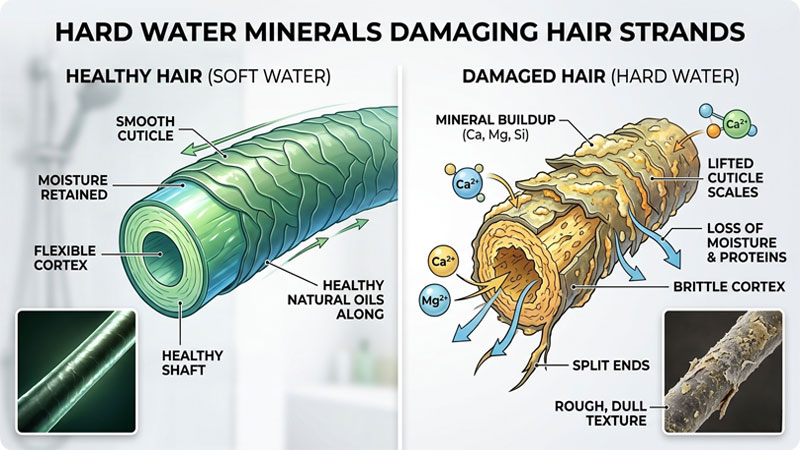
The first time you notice it, it feels personal. That dull, sticky film on your hair after a shower—like your scalp just lost a silent negotiation with your faucet. Hard water, packed with calcium and magnesium, is the unsubtle culprit, and it doesn’t care about your favorite conditioner.
If you live in a city with notoriously hard water—think New York, London, or most of Southern California—your hair is fighting a mineral war every single day. Those minerals bond with your shampoo’s ingredients, creating a soap scum that refuses to rinse away gracefully. The result? Brittle strands, a weirdly matte finish, and a scalp that feels like it’s been dusted in chalk.
But here’s the good news: you don’t need to move to a mountain spring to win this battle. A few clever hacks can turn your shower routine from a mineral assault into a spa-like reset. Let’s start with the obvious—and the one thing your grandmother probably knew.
Must Read
The Vinegar Rinse: Ancient, but Iconic
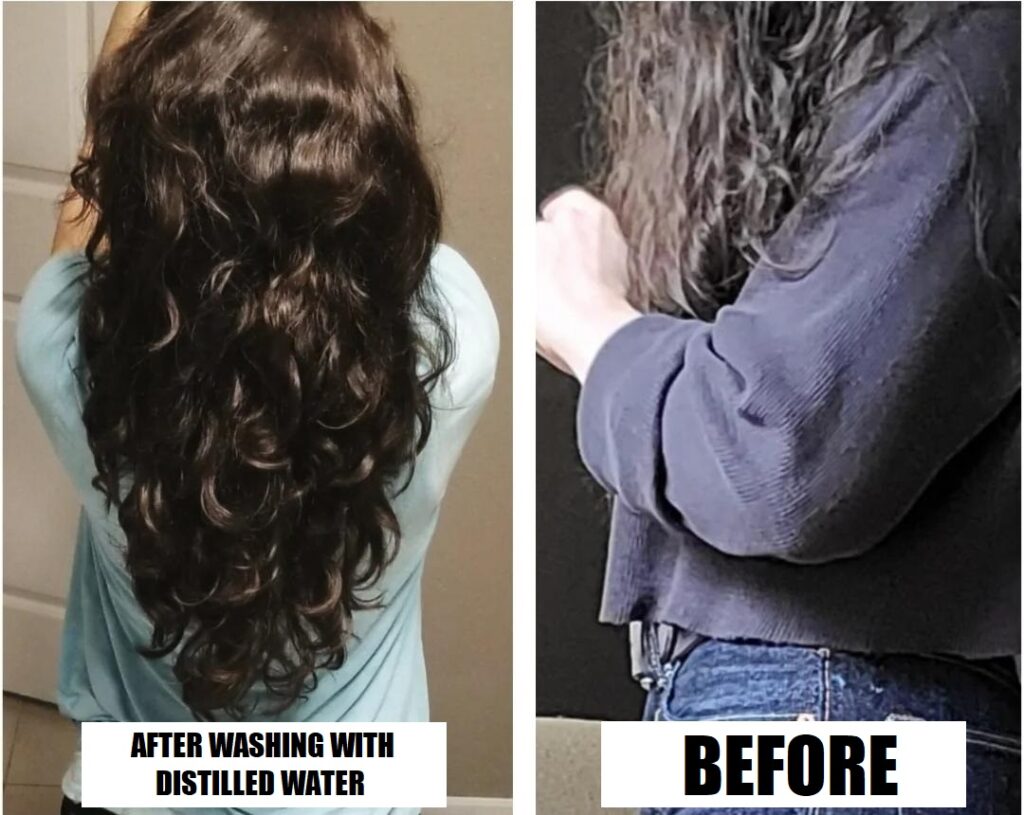
Apple cider vinegar isn’t just for salad dressing or that one influencer’s wellness shot. Dilute one part vinegar with two parts water, pour it over your hair after shampooing, and let it sit for two minutes. The mild acid breaks down the mineral buildup, leaving your hair shinier than a freshly waxed tour bus.
Yes, you’ll smell like a pickle for all of ten minutes. But that scent fades faster than your ex’s sense of humor, and the payoff is worth the mild olfactory sacrifice. Do this once a week, and you’ll notice your hair actually feels clean instead of just pretending to be clean.
If the vinegar idea makes you gag, try a chelating shampoo instead. Look for ingredients like EDTA or sodium citrate on the bottle—they’re basically tiny magnets that pull minerals off your hair. Use it once a week; any more, and you risk drying out your strands like a forgotten raisin.
Filter That Faucet, Darling
A showerhead filter is the unsung hero of self-care. Think of it as the bouncer at an exclusive club, turning away unwanted minerals before they ever reach your hair. You can grab one online for under $50, and installation takes roughly the same effort as assembling IKEA furniture—minus the tears.
Some filters add vitamin C or reduce chlorine, which is a bonus if you swim or live in a city that smells like a swimming pool. Pro tip: swap the filter cartridge every three to six months, or you’re basically just letting the bouncer sleep on the job.
If a filter feels like a big commitment, start with a leave-in spray designed for hard water. These sprays create a barrier on your hair before you even step into the shower. They’re the lazy girl’s hack, and honestly, lazy girl energy is valid here.
 Does Hard Water Cause Hair Fall? Chlorine, Iron & Bath Water Explained
Fun Fact: Hard Water and Red Hair
You know how red hair dye always fades into a weird copper-orange after a few washes? Blame hard water. The minerals in the water react with color molecules, stripping them faster than a toddler with a crayon. If you’ve paid good money for balayage, a vinegar rinse or filtered shower is your new best friend.
Blondes aren’t off the hook either—hard water can turn platinum strands into a brassy mess that screams “I tried a DIY.” A weekly treatment with a chelating shampoo is like hitting the reset button for your colorist’s sanity.
The Detox Mask Upgrade
You know those clay masks you slather on your face? Bentonite clay works wonders on your scalp too. Mix it with water or apple cider vinegar to form a paste, apply it to your roots, and let it sit for 15 minutes. The clay electrically attracts minerals and toxins, pulling them out like a psychic at a carnival.
This is a once-a-month ritual, not a daily habit. Overdoing it can dry out your scalp, and nobody wants to trade hard water buildup for dandruff flakes. Follow up with a lightweight conditioner to seal the deal.
Another kitchen hero: fresh lemon juice. Squeeze half a lemon into a cup of water, pour it over your hair post-shampoo, and rinse after two minutes. The citric acid fights minerals and leaves a subtle, sunlit shine—just avoid using it on color-treated hair unless you’re ready for a fade.
Warm Water, Not Hot Water
Here’s the thing: hot water feels amazing in the winter, but it also opens your hair cuticles wide like a nightclub at 2 AM. When those cuticles are open, hard water minerals waltz right in and settle down. Switch to warm or lukewarm water for your final rinse, and you’ll lock moisture in while keeping minerals out.
Your hair might protest at first—it’s used to the steam bath treatment. But after three washes, you’ll notice less frizz and more definition. It’s the kind of small change that feels like a silent victory.
 How to Remove Hard Water Build Up from Hair Effectively: Expert Tips
And while we’re on the topic of rinsing: don’t skip the final cold blast for ten seconds. It’s the equivalent of an espresso shot for your scalp—invigorating, sealing, and oddly satisfying.
The Truth About Towels
Hard water doesn’t just attack your hair; it lingers in your towels too. Those crunchy, stiff towels you hate? That’s mineral buildup, not fabric failure. Use a towel that’s microfibre or 100% cotton, and never rub your hair dry—scrunch or press gently instead.
Rubbing wet hair with a hard-water-soaked towel is like exfoliating with sandpaper. You’ll create breakage and frizz, undoing all the work you just did. Patience is cheap; hair health is not.
Wash your towels with a cup of white vinegar every month to strip them of mineral deposits. It’s a small chore that makes your towels feel like hotel linen—and your hair will thank you for the reduced friction.
A Reflection: The Little Pleasures
Here’s the thing about fighting hard water—it’s not about perfection. Your hair will still have bad days. It will still frizz in humidity and go flat when you have a big meeting. But the act of caring for it, of giving it a fighting chance against the minerals in your pipes, is a quiet act of love.
In a world where so much is unmanageable—broken links, delayed trains, the irony of your grocery list—your hair is a manageable rebellion. That shine you coax out with a vinegar rinse isn’t just beauty; it’s a small, daily win. And wins, even small ones, carry enough momentum to carry you through the rest of your morning.
So go ahead. Pour the vinegar, change the filter, and embrace the ritual. Your hair has been through enough. It’s time to let it breathe.
