Why Is The Ph Of Water Important

You know that weird feeling when you take a sip of bottled water and it tastes… sharp? Or maybe a gulp of tap water feels a bit like licking a battery? That’s pH playing trick...
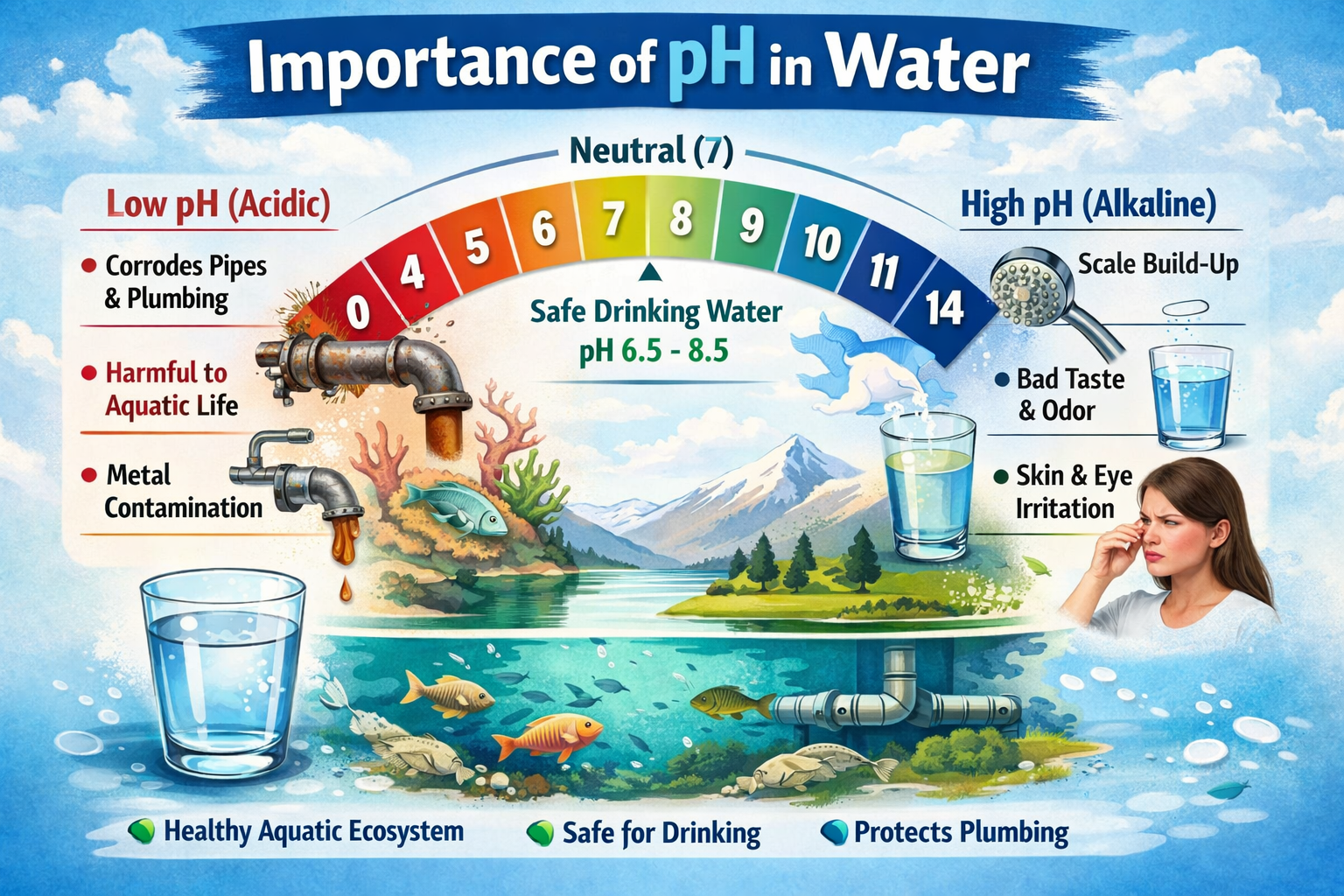
You know that weird feeling when you take a sip of bottled water and it tastes… sharp? Or maybe a gulp of tap water feels a bit like licking a battery? That’s pH playing tricks on your tongue, my friend. It’s the same reason your coffee tastes sour some mornings or your garden plants throw a dramatic tantrum. Basically, pH is the hidden boss of your daily life, and it’s time we gave it a high-five—or a polite side-eye.
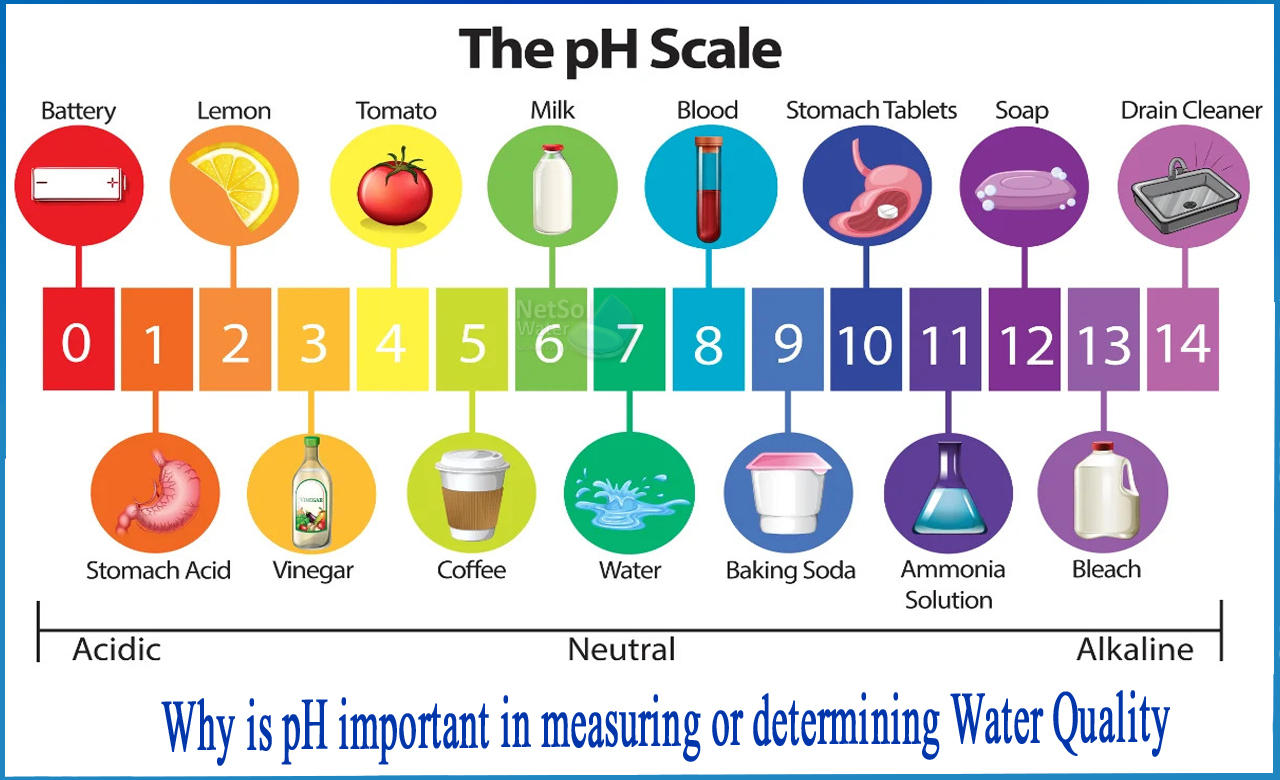
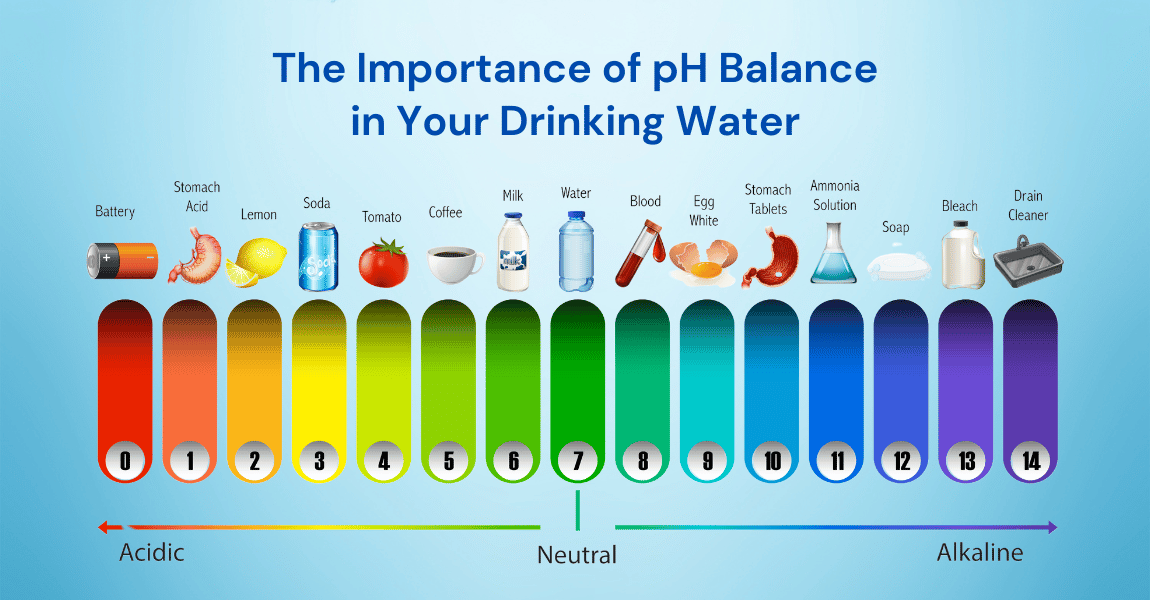
Think of pH as the Goldilocks scale for water, running from zero (super acidic, like stomach acid on a spicy taco bender) to fourteen (super alkaline, like bleach or drain cleaner). Pure water sits right in the middle at 7—that’s the “just right” zone. If your water dips below 6.5, it starts tasting like a metallic penny you found in a parking lot. Above 8.5? It gets a slippery, bitter vibe, kind of like chewing on a health tonic from a weird influencer.
Your Mouth Knows Before Your Brain Does
I once bought a fancy sports drink because the label said “balanced pH for peak performance.” It tasted like someone dissolved a chalky antacid in a puddle. My face puckered so hard my husband asked if I’d bitten a lemon. pH directly affects flavor, which is why baristas obsess over their coffee’s acidity. Too low, and your morning brew tastes like a burnt eraser; too high, and it’s flat as a two-day-old soda.
Must Read
Your taste buds are basically a pH meter, even if you don’t think about it. That’s why you can spot a bad glass of water the moment it hits your lips. It’s not your imagination—it’s chemistry having a quiet meltdown in your mouth.
The Garden Drama You Didn’t Sign Up For
Last summer, I planted tomatoes with all the enthusiasm of a reality show contestant. They looked great for a week, then got all yellow and sulky. Turns out, my hose water had a pH of 8.3—way too alkaline. My poor tomatoes were basically trying to drink battery acid while wearing a sunscreen of regret. Plants are total divas about pH: they need the right balance to absorb nutrients. Too low, and they starve; too high, and they drown in minerals they can’t use.
Your lawn, your hydrangeas, even the sad basil on your windowsill—they all have a preferred pH range. That’s why garden centers sell those little test kits. It’s like giving your soil a personality test, but with less awkward questions and more fertilizer.
 What is the ph of di water? | distilled water ph level – ICDK
It’s Not Just About You (Or Your Plants)
Here’s the kicker: pH doesn’t care about your feelings. It dictates how well soap works. Ever tried washing your hands with water that feels “soft” but still leaves a film? That’s alkaline water reacting with soap, making it less effective. Your shower, your laundry, even your dishwasher are pH hostages. Hard water (usually alkaline) leaves white crust on your coffee pot; acidic water can eat away at copper pipes over time. Your plumbing is silently screaming, and it’s all about the pH.
Fish tank owners know this pain intimately. I once heard a guy at the pet store describe his goldfish’s pH crash like it was a soap opera: “He was listless, floating sideways, and the water was a 5.8! It was a nightmare!” Fish are the canaries of the pH coal mine—they die if the balance shifts even a little. Makes you respect your tap water a bit more, huh?
The Real-Life Water Test
So how do you know if your water is pH-problematic? You don’t need a lab coat. Fill a glass and let it sit for a bit. Does it smell like a swimming pool? That’s chlorine working overtime, often because pH is off. Does it leave a rainbow sheen on the surface? That’s alkaline soap residue from your pipes. Your nose and eyes are pretty good detectives, but if you’re paranoid, a $10 pH test strip from the hardware store will settle the debate.
 Discover the Importance of pH Balance in Drinking Water for Health
I keep one in my kitchen drawer, right next to the takeout menus. It’s my reality check whenever I think my water tastes weird. Spoiler: it’s usually fine, but sometimes it’s a 6.2, and I just switch to tea.
The Bottom Line (No Science Degree Required)
Water pH isn’t some hidden conspiracy or a luxury health trend. It’s just the mood ring of your daily hydration. If your water tastes good and your plants aren’t crying, you’re probably fine. If your coffee turns sour overnight or your skin feels itchy after a shower, the pH might be the invisible villain. But honestly? Most tap water in developed countries is regulated to be safe, even if it’s a bit alkaline or acidic. Your body has its own clever buffer system—it’s not going to melt from a slightly off glass of water.
So don’t stress. Next time you take a sip, just think: “Hey, water, what’s your pH vibe today?” And if it tastes like a wet rock, pour it down the drain and try the filtered stuff. Life’s too short for bad water—or grumpy tomatoes.
