What Does A Water Well Look Like

Let’s be honest: when most of us picture a water well, we imagine a rustic stone ring in the middle of a fairy-tale forest, complete with a little roof and a bucket on a rope....

Let’s be honest: when most of us picture a water well, we imagine a rustic stone ring in the middle of a fairy-tale forest, complete with a little roof and a bucket on a rope. You know, the kind where a kindly witch might offer you a magic apple. But in reality, that charming image is about as common as a unicorn in a suburban driveway. Modern wells are actually seriously practical, and they look way different than you’d think.
The Real-Life Water Well: A Pipe in the Ground
Forget the romantic stone structure. The vast majority of wells today are just a sturdy, steel pipe popping out of the ground, maybe two or three inches wide. It looks like a thick, rust-resistant straw that someone forgot to pull up.
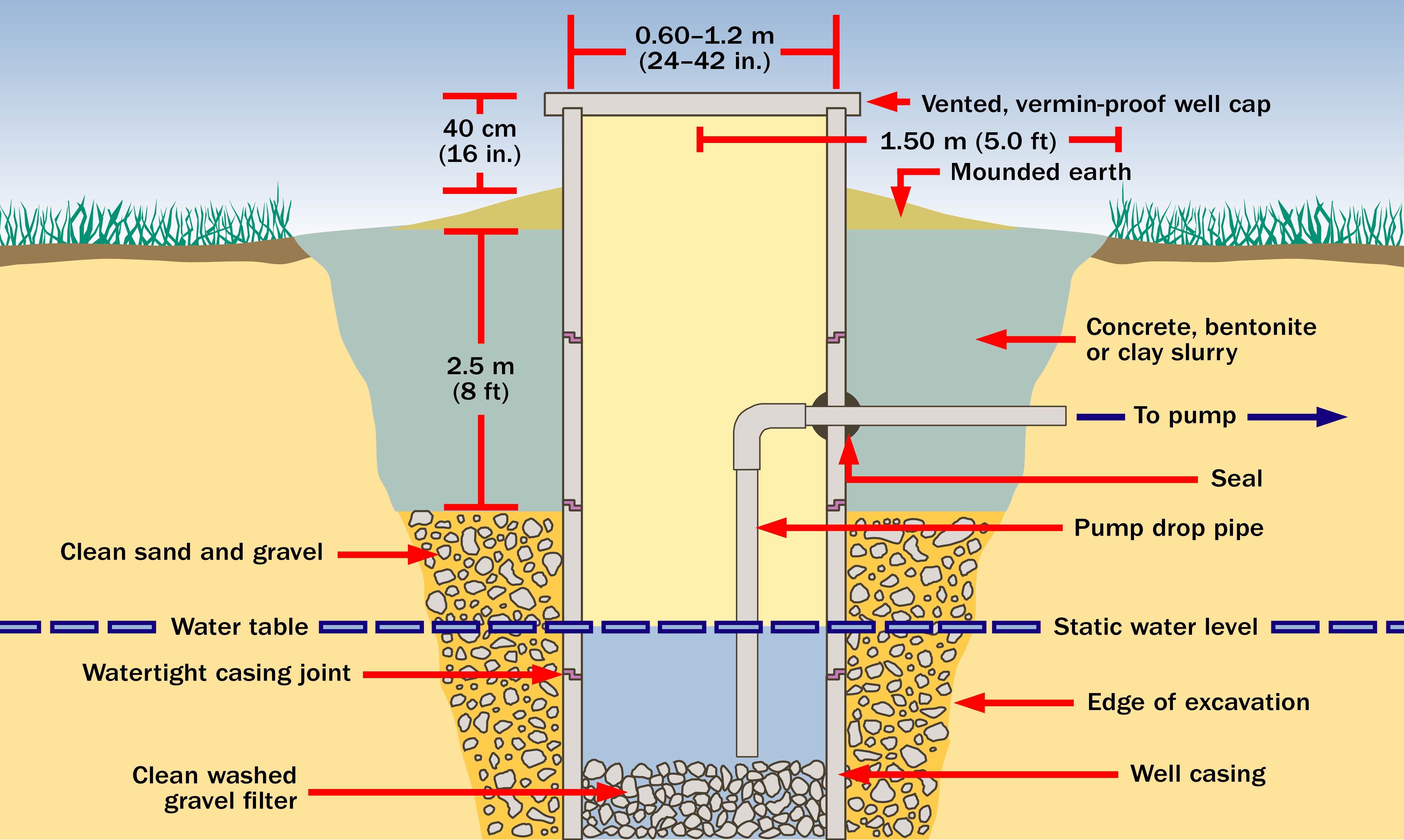
That pipe is capped with a sanitary seal—a weatherproof cover that keeps bugs, rain, and curious raccoons out. It’s not glamorous, but it’s the hero of the story. This little cap is what keeps your drinking water clean.
Must Read
If the well is in a yard, you might see a small, green electrical box nearby. That box houses the pump controls, like a little brain telling the water where to go. Think of it as the well’s heart monitor.
What About the Classic Well House?
Sometimes, people do build a cute little wooden house or a brick enclosure over the pipe. This isn’t for appearances—it’s to protect the equipment from freezing in winter. In snowy places, that tiny shed is like a cozy winter coat for your water supply.
Inside that shed, you’ll find a pressure tank that looks like a big blue or silver propane tank. It’s what gives you that satisfying powerful shower instead of a sad dribble. Without it, your faucet would just hiccup.
And the pump? It’s usually hidden down in the dark, deep underground, humming away like a loyal, unseen pet. You’ll never lay eyes on it, but you’ll feel it every time you wash a dish.
 Groundwater Well And Pump
How to Spot a Well on a Daily Walk
Next time you’re strolling through a suburban neighborhood or a rural road, play a little game. Look for a short, capped pipe near the front yard, often close to the street. It’s usually a few inches tall, painted green or black to blend in with the grass.
Or, you might spot a larger, mushroom-shaped dome made of concrete or fiberglass. That’s a well pit for big community wells, like the ones that serve a whole park or a school. It’s basically a giant, underground sauna for water pipes.
If you see a really old farmhouse, you might stumble upon a hand-dug well that’s four feet wide, lined with stones. Those are rare and ancient—like drinking from a historical artifact. But they’re mostly retired now, replaced by the modern pipes.
Why You Should Care (Even If You Live in a City Apartment)
Okay, but why does this matter if you turn on your tap and water comes out? Because almost half of all Americans get their water from a private or public well. That includes your morning coffee, your shower, and the ice in your soda.
Wells are basically underground lakes in the aquifer, and what happens on the surface affects them. That puddle of car oil in a driveway? It can trickle down into a well, miles away. You don’t need to own a well to care about them; they’re part of the same water cycle that fills your reservoir.
 Anatomy of a Water Well: A Diagram Guide
In fact, many city water systems start as well water. Your tap might be connected to a well field dozens of miles away. So, every time you save a glass of water, you’re helping a pipe in some farmer’s field do its job with less stress.
A Little Story from Real Life
Last summer, my friend’s neighbor, old Mr. Garcia, noticed his faucet sputtering like a tired grandpa. He walked out to his back yard, lifted the little green cap on his well pipe, and found a leaf had clogged the air vent. One quick pick-up, and the water flowed like a happy brook again.
That’s the beauty of a well: it’s a simple, elegant machine that connects you directly to the earth. No complex treatment plant, no mysterious pipes under the city—just you and a hole in the ground that happens to hold liquid life.
And you know what? That makes me smile. Next time you see a plain, boring pipe in a yard, wave at it. It’s working harder than your wi-fi router, and it never asks for a password.
In the end, a water well looks like a humble, unassuming piece of hardware. But it’s one of the most magical things humans have ever figured out—a direct line to a hidden ocean right beneath our feet. Isn’t that worth a little curiosity?
