Does Coca Cola Give You Diarrhea

It’s 3 PM on a Tuesday, and you’re staring at that red can like it holds the secret to finishing your workday. But your stomach has other plans—a low, gurgly warning that some...

It’s 3 PM on a Tuesday, and you’re staring at that red can like it holds the secret to finishing your workday. But your stomach has other plans—a low, gurgly warning that something might go sideways. You’ve heard the rumors: does Coca-Cola really give you diarrhea, or is that just an urban legend fueled by too many late-night Taco Bell runs?
The short answer is yes, but it’s not that simple. For most people, one can of Coke won’t send you sprinting to the bathroom, but for sensitive stomachs, it’s a different story. Think of it as a perfect storm of ingredients: caffeine, sugar, and carbonation, all conspiring against your gut.
The Science of the Fizz
Coca-Cola’s secret weapon isn’t just its flavor—it’s the osmotic pressure. High-fructose corn syrup and sugar pull water into your intestines, which can loosen stools faster than you can say “I’ll have a Diet.” That’s why, for some folks, a can of Coke hits like a laxative, especially on an empty stomach.
Must Read
Caffeine is another culprit. It stimulates peristalsis—the muscle contractions that move food through your gut. In plain English: it wakes up your colon like an alarm clock, often a bit too eagerly. Combine that with carbonation, which can cause bloating and gas, and you’ve got a cocktail that’s less “refreshing” and more “rumbling.”
But here’s the kicker: a 2021 study in the Journal of Gastroenterology noted that cola’s acidity (pH around 2.5) can also irritate the lining of a sensitive gut. For people with IBS or Crohn’s disease, that’s a one-way ticket to diarrhea city.
When Coke Becomes a Gut Hack (Yes, Really)
Ironically, some people swear by Coca-Cola as a remedy for stomach bugs. It’s a weird cultural flex—like the Thai street-food habit of sipping warm Coke for indigestion. The sugar and caffeine can give a quick energy boost, and the phosphoric acid might settle gas. But for diarrhea? Proceed with caution.
In many countries, “Coke and crackers” is the unofficial treatment for a queasy stomach. But let’s be real: if you already have diarrhea, drinking a sugary, acidic soda is like pouring gasoline on a fire. The sugar will worsen dehydration, and the caffeine can act as a diuretic, making you lose even more water.
The Great Cola Miscellany
Fun fact: Coca-Cola was originally marketed as a “nerve tonic” and contained cocaine. Today’s version is tamer, but still potent. Another fun fact: doctors in the 1950s actually prescribed Coke for diarrhea in kids—until they realized the sugar and caffeine were making things worse. Oops.
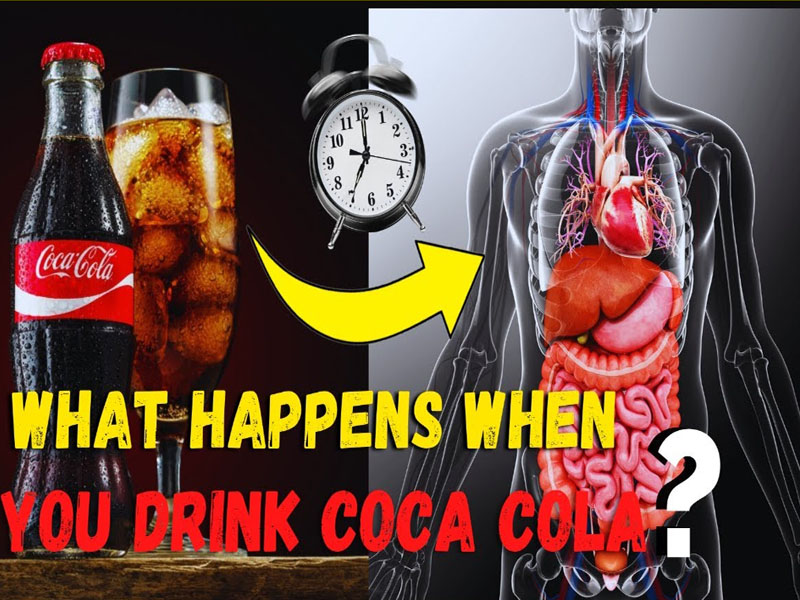 Coca Cola Side Effects , Coca-Cola en France – FYCB
And let’s not forget the cultural lore. In Mexico, a bottle of Coke is the go-to hangover cure, but ask anyone in India and they’ll tell you: a bottle of Thums Up (India’s cola equivalent) is for burping, not for bowel control. The point is, your mileage varies.
Practical Tips: How Not to Legally Rush to the Bathroom
If you love the taste but hate the aftermath, try these golden rules:
1. Don’t drink it on an empty stomach. Pair your Coke with a meal rich in protein or fiber—like a chicken sandwich or a handful of almonds. The food buffers the acid and slows down that osmotic rush.
2. Opt for zero-sugar versions? Think again. Artificial sweeteners like aspartame and sucralose are known gut irritants. They can cause osmotic diarrhea worse than real sugar. A 2019 study from the British Medical Journal linked them to changes in gut bacteria. So that Diet Coke might be a bigger gamble.
3. Sip, don’t chug. Gulping down a whole can in 30 seconds delivers a massive load of sugar and caffeine all at once. Nurse it over an hour, and your gut has time to handle it without panic mode.
 Can Coca Cola give you diarrhea? - YouTube
4. Watch your overall caffeine load. If you’ve already had coffee or tea that day, that second Coke might be the straw that breaks the camel’s back. Aim for less than 400mg of caffeine daily (the FDA’s safe limit). A 12-ounce can of Coke has 34mg—so a couple are fine, but paired with a latte? Risky business.
5. Listen to your body’s timeline. Diarrhea from Coke usually hits within 30 minutes to 2 hours after drinking. If you notice a pattern, mentally mark that can as a “bathroom book” cue. Double-check if you’re dehydrated from exercise or heat—your gut will tell you no.
The Real Culprit Might Be Your Routine
Here’s a revelation: often, it’s not the Coke itself, but what you eat with it. A burger, fries, and a Coke? That’s a high-fat, high-sugar combo that slows gastric emptying, then dumps everything at once. Textbook diarrhea trigger.
Or perhaps you’re addicted to the ritual: the sugary hit that gets you through a stressful meeting. Cortisol (the stress hormone) already speeds up digestion. Add Coke, and you’re essentially double-pedaling towards the restroom.
The Final Sip: What This Says About Modern Life
We live in a world where convenience often trumps comfort. A cold Coke is a tiny rebellion against a hectic day—a moment of sweetness in a bitter timeline. But your gut is the most honest critic you have. It doesn’t care about advertising budgets or nostalgic ads with polar bears.
So next time you pop that tab, ask yourself: Am I hydrating, or am I waging a war on my intestines? The answer isn’t about demonizing a soda—it’s about honoring the strange, delicate agreement between what we crave and what we need. After all, life’s too short to spend it running to the bathroom. Unless, of course, you’re after a good story—and a clean toilet.
