Does Reverse Osmosis Remove Iron

You know that rusty, metallic taste in your tap water? The one that makes your morning coffee taste like you’re sipping from a garden hose that’s seen better days? That’s iron...

You know that rusty, metallic taste in your tap water? The one that makes your morning coffee taste like you’re sipping from a garden hose that’s seen better days? That’s iron, my friend, and it’s the uninvited guest at your breakfast table.
It’s like your water decided to become a heavy metal band without telling you. But before you call a plumber and swear off hydration forever, let’s talk about reverse osmosis, or RO, as the cool kids call it. Can this gadget actually kick iron to the curb?
The Short Answer: Yes, But With a Catch
Here’s the deal: reverse osmosis is incredibly good at removing iron from water—most of the time. Think of it as the bouncer at an exclusive club for water molecules.
Must Read
It lets the good stuff (H₂O) pass through, but it stops the riffraff, like iron, calcium, and that weird smell from last night's leftovers. I installed an RO system under my sink last year, and my ice cubes went from looking like tiny, sad bricks to sparkling diamonds. I’m not exaggerating—I actually stared at a glass of water for five minutes, just admiring it.
But Hold Your Horses, There’s a Fine Print
Not all iron is created equal. Ferrous iron (the clear kind that turns red when exposed to air) is a piece of cake for RO. It’s dissolved in the water, like sugar in iced tea, and the membrane filters it out like a champ.
But ferric iron? That’s the stuff that looks like rust flakes floating around. It’s like comparing a sneaky ninja to a drunk guy in a clown costume. Ferric iron can clog your RO membrane faster than you can say “expensive replacement filter.” I learned this the hard way when my system started making sad gurgling noises after three months. It was like my water filter had a cold.
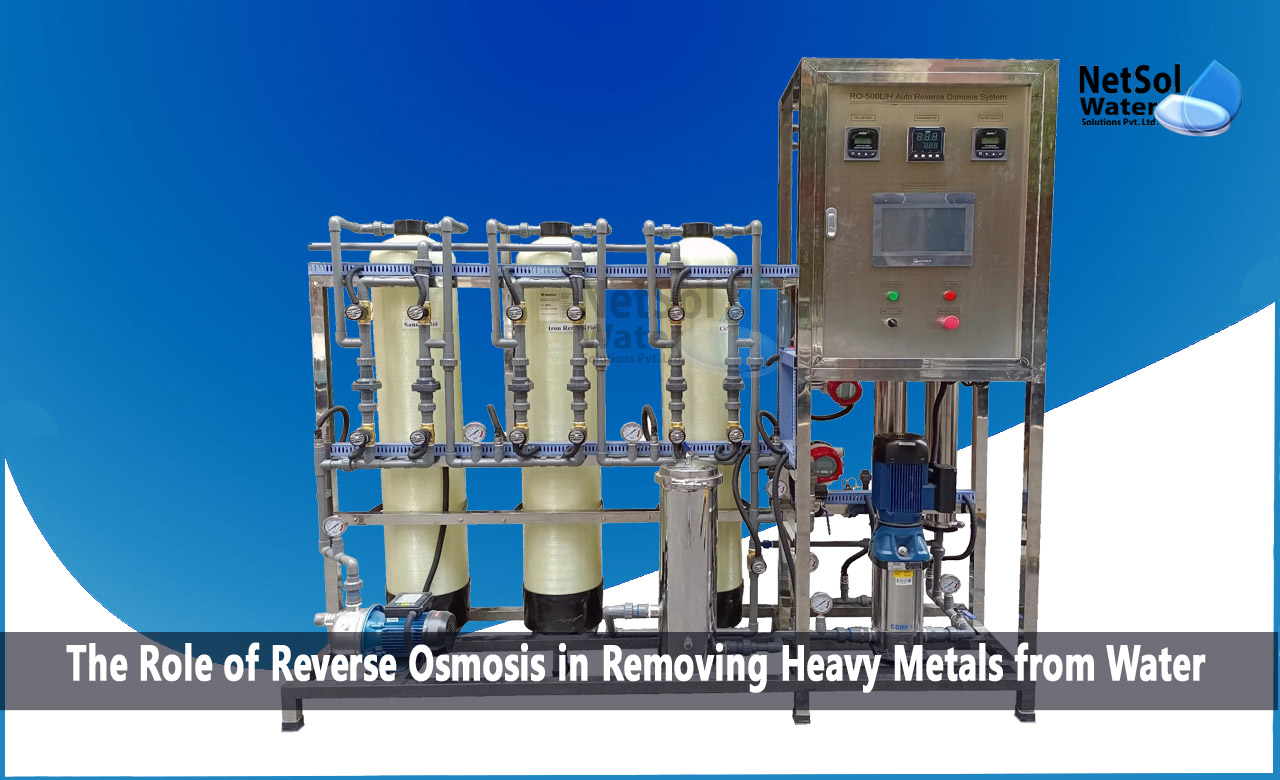 What is the Role of RO in Removing Heavy Metals from Water
How Does It Actually Work?
Picture a microscopic colander inside your RO system. It pushes water through under high pressure, and the pores are so tiny that iron molecules—which are big, clunky things—can’t sneak through. It’s like trying to fit a beach ball through a keyhole.
Most RO systems catch up to 99% of iron, leaving you with water so pure it almost feels like a waste to use it for making coffee. I once joked to my neighbor that I could water my plants with this stuff, and they’d probably start speaking Latin. She didn’t laugh, but I did.
The Real-Life Annoyances
Here’s what nobody tells you: iron isn’t just a taste problem; it’s a laundry problem. Wash a white shirt in iron-heavy water, and it comes out looking like you’ve been wrestling a Cheeto. RO fixes that, but you have to stay on top of maintenance.
Pre-filters are your best friend. They catch the big iron chunks before they reach the main membrane, like a doorman who stops your drunk uncle before he makes a scene. If you skip the pre-filter, you’ll be replacing that RO membrane every few months, which costs about as much as a nice dinner for two. Don’t be that guy.
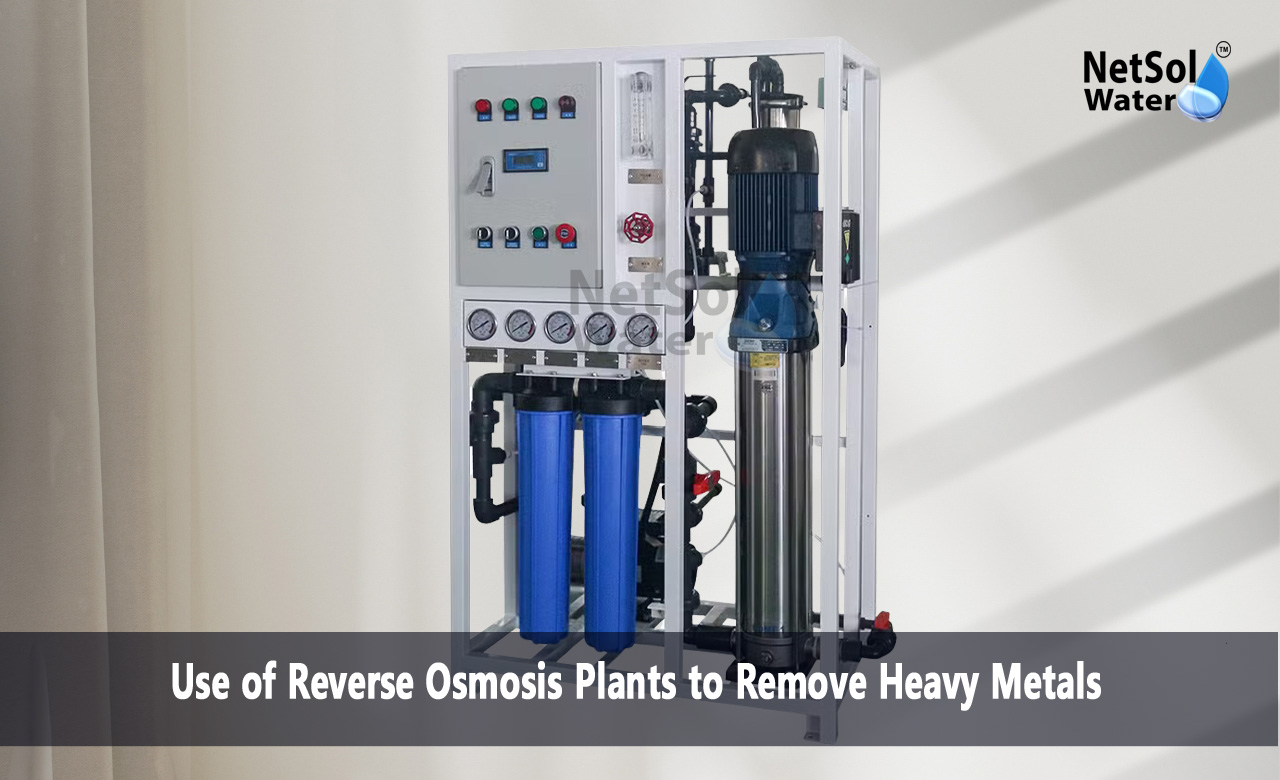 Use of Reverse Osmosis Plants to Remove Heavy Metals
When RO Fails (And What to Do)
If your water has iron bacteria—that slimy, reddish gunk that smells like a swamp—RO alone won’t cut it. Those little microbes can laugh at the membrane because they’re too big to get through, but they’ll still clog everything up. It’s like bringing a swat team to a food fight. You need a chlorination system or a water softener first. Sorry, but there’s no shortcut for swamp water.
Also, if your iron levels are through the roof (like above 10 parts per million), RO struggles. At that point, your water isn’t water; it’s a metal smoothie. You’ll need a dedicated iron filter before the RO unit. Think of it as a detox for your water before it hits the spa.
The Verdict? It’s Worth It, But Be Smart
For 90% of homes with mild to moderate iron, reverse osmosis is a miracle worker. I’ve stopped buying bottled water entirely, and my kettle no longer looks like a crime scene. My wife even commented that the ice cubes are “suspiciously clear,” which is the highest compliment she’s ever paid a kitchen appliance.
Bottom line: If you want water that tastes like it came from a mountain spring (not a rusty pipe), RO is your buddy. Just test your water first, get a good pre-filter, and don’t neglect the annual membrane swap. Your taste buds—and your washer—will thank you. And hey, if all else fails, just add lemon. That’s what I did for years, and it worked well enough to make me smile through the rust. But now? I sip my pure water and nod like a smug king. You can too.
