Does Heating Water Kill Bacteria

So, you’re standing at the kettle, water boiling away, and a little voice in your head asks: “Does heating water kill bacteria?” Let’s be real—you’re probably thinking about t...
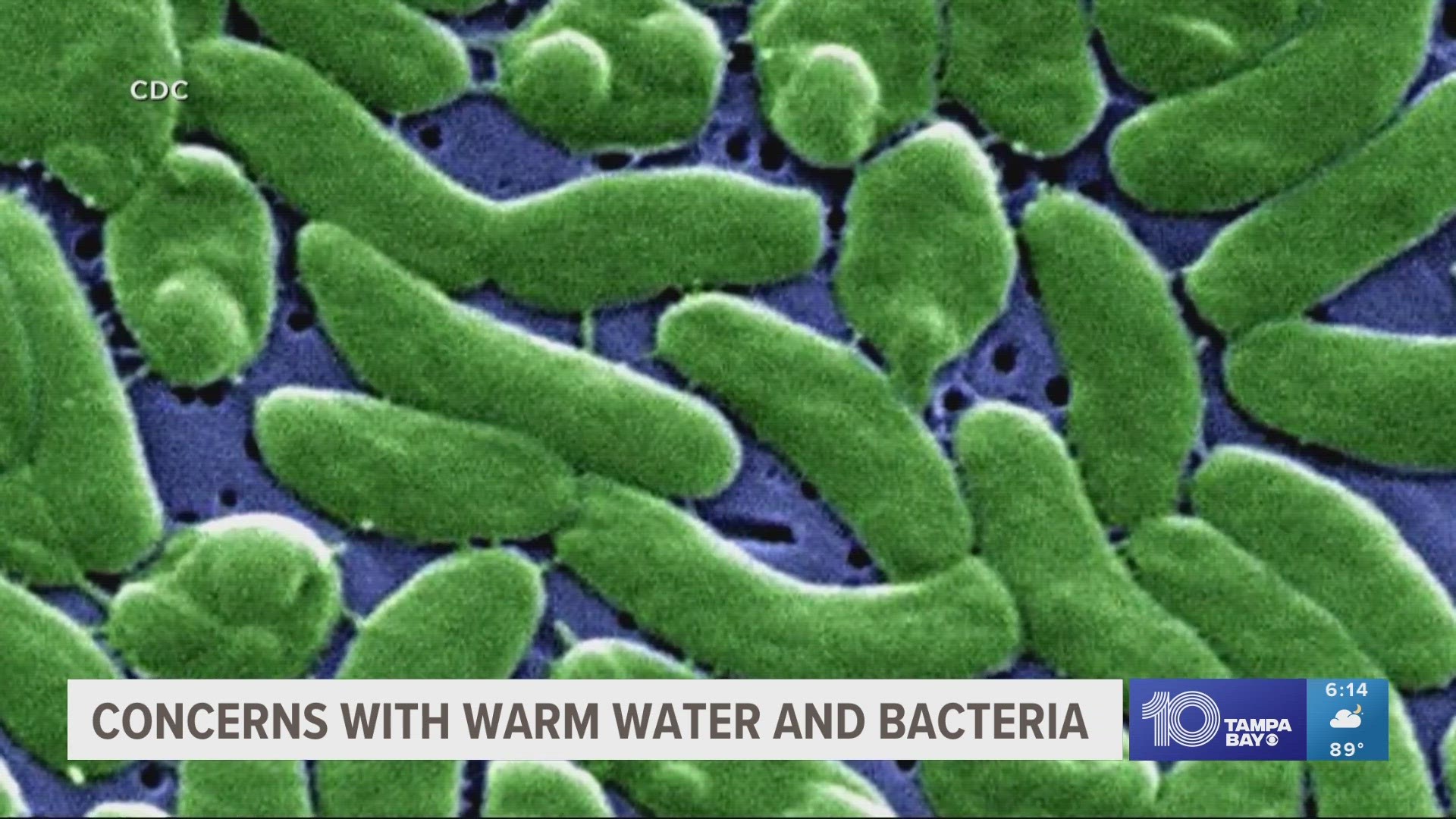
So, you’re standing at the kettle, water boiling away, and a little voice in your head asks: “Does heating water kill bacteria?” Let’s be real—you’re probably thinking about that questionable tap water or a camping trip. Or maybe you just dropped your phone in the toilet and really need to know. I’ve been there, friend. Let’s settle this over our imaginary coffee.
The Short Answer: Yes, But It’s Not Magic
Heating water absolutely kills bacteria. That’s not a myth. It’s science, and it’s been saving butts for centuries.
But here’s the kicker: temperature and time are the real stars of the show. You can’t just wave a lighter over a glass of pond water and call it a day. Bacteria are stubborn little jerks—they need a proper cooking.
Must Read
Most common waterborne bacteria, like E. coli or Salmonella, die at 140°F (60°C) if you keep them there long enough. But we usually boil water at 212°F (100°C). That’s overkill—in the best way.
Boiling: The Nuclear Option
Boiling water for one minute kills virtually all bacteria, viruses, and parasites. That’s it. One minute. You can almost hear the bacteria screaming, “No, not the bubbles!”
If you’re at a high altitude—say, hiking in the Rockies—boil for three minutes. Lower boiling point up there, so you need a little extra time. The bacteria don’t care about your scenic views.
Fun fact: You can actually over-boil water. Not for killing germs—you’ll just end up with less water and a very dry kettle. But the bacteria are toast after that first minute.
But Wait—Does It Kill Everything?
Here’s where I have to be the buzzkill. Boiling kills pathogens—the bad guys that make you sick. But it doesn’t remove chemical contaminants like lead, pesticides, or microplastics. That’s a different coffee chat.
And some bacterial spores are survivors. Think of them as the cockroaches of the microbe world. They can survive boiling, but they won’t usually make you sick. They just laugh at your kettle.
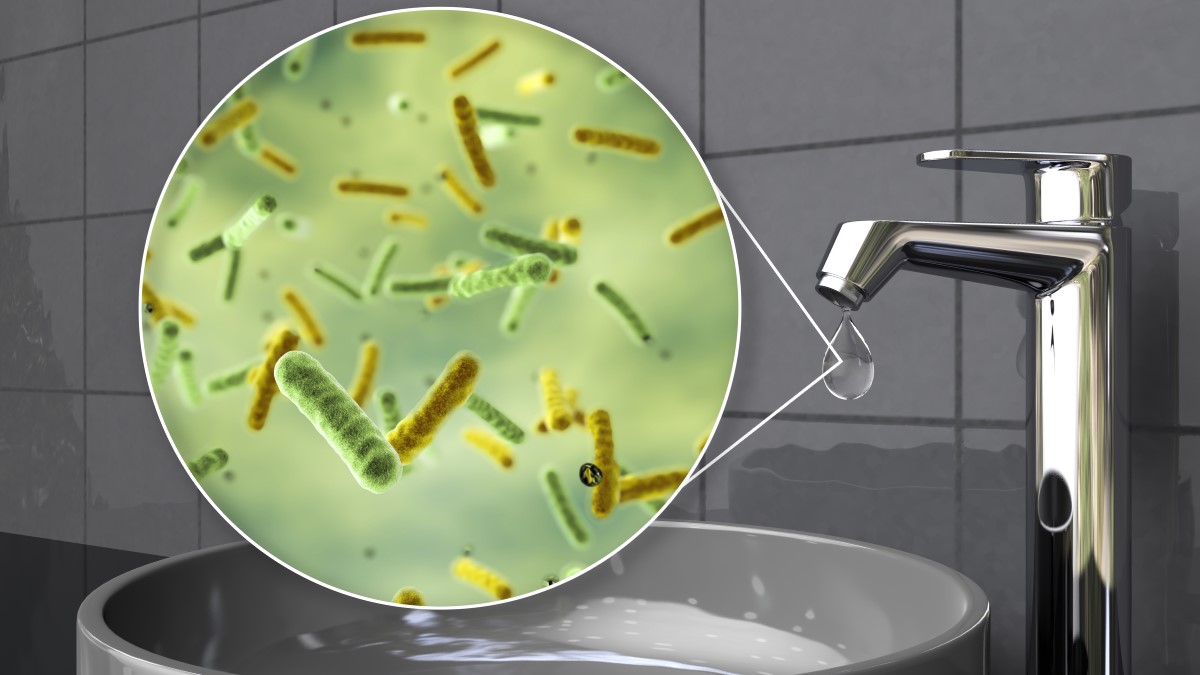 How To Boil Water To Kill Bacteria
So, for drinking water safety, boiling is golden. For removing heavy metals? You need a filter. Sorry, science doesn’t do shortcuts.
What About Hot Taps or Microwaves?
Microwaving water works if you bring it to a rolling boil. But microwaves heat unevenly. You could get pockets of cold water where bacteria are still having a party. Stir it or use a kettle—trust me.
Hot water taps that sit at 120°F? Nope. That’s bathwater temperature. Bacteria love a warm spa day. They don’t die until 140°F, and most hot taps don’t reach that.
So your “instant hot water” dispenser is just a bacterial jacuzzi. Sorry to burst that bubble. Literally.
When Should You Actually Boil Water?
Emergency situations: flood, broken pipe, or you’re camping and a raccoon used the stream as a toilet. Boil it. Always boil it.
Day-to-day tap water in developed countries? Usually unnecessary. Municipal water is treated. But if you’re immunocompromised, or you just like the peace of mind, boil away. I won’t judge.
And for the love of all that is holy, don’t boil contaminated water for just a few seconds. A quick “simmer” won’t cut it. Bring it to a full, happy, rolling boil.
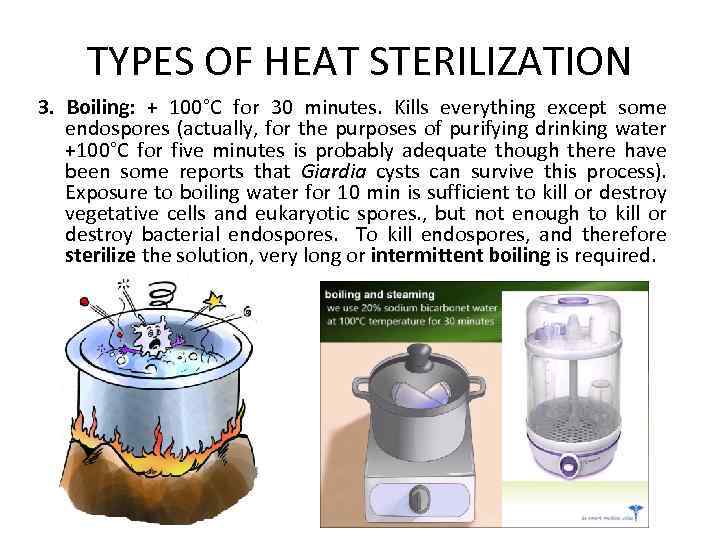 Heat Kill Bacteria at George Bousquet blog
The Exceptions That Prove the Rule
Some hardy bacteria, like Clostridium botulinum (botulism), produce toxins that boiling won’t destroy. Those toxins are heat-stable. So if the water already has botulism toxins, boiling won’t save you. But honestly, you’d have to be drinking some seriously nasty water for that to happen.
Also, amoebas like Naegleria fowleri (the brain-eating one—yikes) die easily with boiling. But if you’re jumping into warm lakes, boiling won’t help you. That’s a whole other horror story.
Point is: for everyday water safety, heat is your best friend. Just don’t expect it to fix everything.
So, What’s the Takeaway?
Heating water kills bacteria—yes. Especially boiling. It’s one of the oldest, most reliable tricks in the human survival manual.
But you need to do it right: full boil, at least one minute, and don’t let it cool down too slowly. Warm water is a bacterial buffet.
And remember: boiling doesn’t remove chemicals or spores. But for the average germ panic? You’re golden. Go make that tea with confidence.
Now, let’s raise our mugs to science, safety, and the fact that your kettle just saved you from a potential stomach uprising. Cheers, friend.
