What Does Reverse Osmosis Remove

You know that feeling when you take a sip of water and it just tastes… pure? Not like a swimming pool, not like a dusty glass, but like a tiny slice of a mountain spring. That...
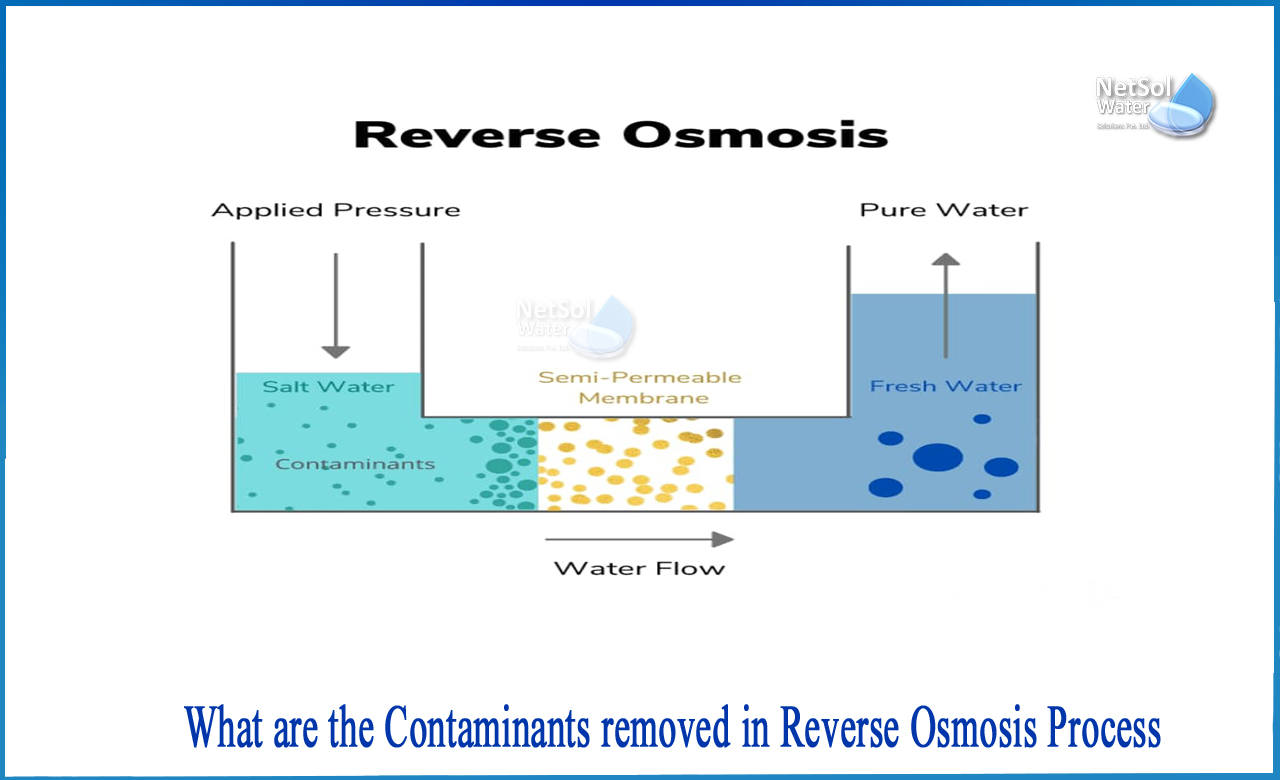
You know that feeling when you take a sip of water and it just tastes… pure? Not like a swimming pool, not like a dusty glass, but like a tiny slice of a mountain spring. That’s often the magic of reverse osmosis at work. It’s your faucet’s secret superhero.
Let’s be honest: most of us don’t think twice about what’s in our tap water. We just turn the handle and hope for the best. But reverse osmosis (let’s call it RO for short) is like a fussy bouncer at a very exclusive club. It checks everything trying to get into your glass.
So, what exactly does this water bouncer kick out? A whole lot of stuff you’d rather not drink. Think of it as a microscopic strainer—but way, way fancier than the one you use for pasta.
Must Read
The Big, Obvious Stuff
First up, reverse osmosis removes things you can kind of see or taste. We’re talking about sediment, dirt, and rust. If your water sometimes looks slightly cloudy or leaves a gritty film on your kettle, RO catches that.
It also tackles chlorine and chloramine. You know that faint “pool water” smell when you fill a glass? That’s gone. RO gives your water a clean slate, literally and figuratively.
And then there’s the hard water problem. Those pesky calcium and magnesium minerals that leave white spots on your dishes? Yep, RO sends them packing. Your coffee maker will thank you.
The Invisible Invaders
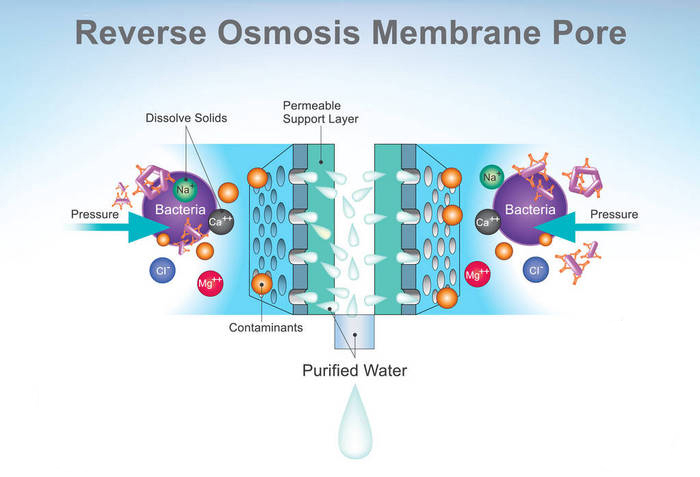
Here’s where it gets a little sci-fi. RO removes things you can’t see, smell, or taste—but they’re still there. Imagine a glass of water full of tiny ghost particles. RO is the ghostbuster.
It kicks out lead and copper from old pipes. You know the ones—the pipes that have been in your house since the 1980s. They quietly leak metals into your water, and RO snaps them out like a ninja.
RO also removes arsenic, nitrates, and fluoride. Yes, fluoride is added to water for teeth, but too much of it can cause problems. RO gives you the choice to dial it back.
And let’s not forget pharmaceuticals and pesticides. Sounds scary, right? Don’t panic—most tap water is safe. But trace amounts of leftover medicine or farm runoff can sneak in. RO is like a tiny security guard for your kidneys.
 What is reverse osmosis? - Amanda Water Tech Inc.
The Salt and the Sugar Test
Think about this: if you dissolved a spoonful of salt in a glass of water, you’d still taste it. RO can remove about 99% of that salt. That’s why it’s used to make seawater drinkable on ships.
Now imagine your neighbor’s lawn fertilizer sneaking into the groundwater. It’s full of nitrates, which are basically plant food. RO pulls those out too, so you’re not drinking lawn salad.
It’s even used to make bottled water taste so “clean.” That crisp, neutral flavor? That’s RO saying, “I got rid of everything weird.”
What RO Doesn’t Remove (So You Know the Limits)
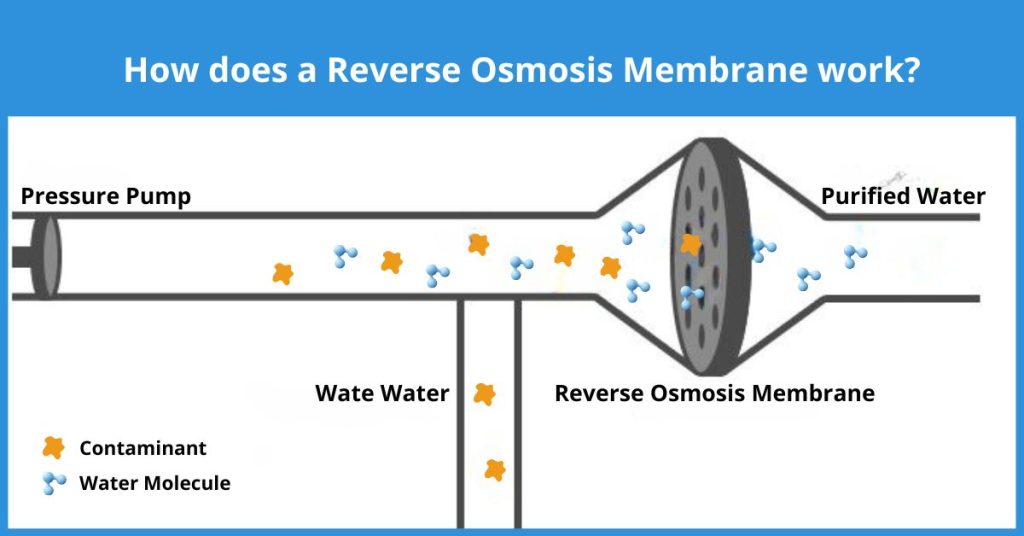
No system is perfect, and RO has its blind spots. It does not remove chlorine very well on its own—most RO systems add a carbon filter first. That’s why they often come as a team.
It also lets through tiny molecules called volatile organic compounds (VOCs). These are the stuff that smells like paint thinner or gasoline. For those, you need a carbon filter upfront.
And yes, RO removes the good minerals too—like magnesium and potassium. But don’t worry; you get plenty of those from food. A banana or a handful of almonds has more minerals than a full day’s tap water.
Why You Should Care (Without Getting Boring)
Here’s the relatable part: have you ever made a cup of tea and noticed a weird film on top? Or poured a glass of water and it tasted a bit like a wet basement? That’s RO’s cue to step in.
 Does Reverse Osmosis Remove PFAS? | Living Whole
Clean water isn’t just about health—it’s about enjoyment. When your water tastes good, you drink more. And drinking more water is basically a cheat code for feeling less tired and having better skin.
Plus, RO saves your appliances. No more scaling in your espresso machine or cloudy ice cubes. That’s less fuss, more fun.
The “Ice Cube Test”
Do this at home: freeze a tray of tap water and a tray of RO water. The tap-water cubes will likely be cloudy, and the RO cubes will be crystal clear. That’s your visual proof right there.
RO water also makes your ice melt slower in your drink. Why? Because it’s purer, so it stays solid longer. A tiny win, but a satisfying one.
The Bottom Line (No Chemistry Degree Required)
Reverse osmosis removes the stuff that makes water taste weird, look funny, or carry things you wouldn’t purposely eat. It’s like giving your tap water a fresh start.
You don’t need to become a water scientist. Just know that RO is your friend—the one who quietly takes out the trash while you’re not looking. And your tea will taste better for it.
So next time you sip a glass of water and it feels like a hug for your insides, think of that tiny membrane working away. It’s not magic—it’s better. It’s just good engineering making your life a little nicer.
