How Much Is Two Gallons Of Water

Let’s talk about two gallons of water. It sounds simple enough, right? But when you stop to consider it, that volume is a sneaky heavyweight in your daily life. First, th...
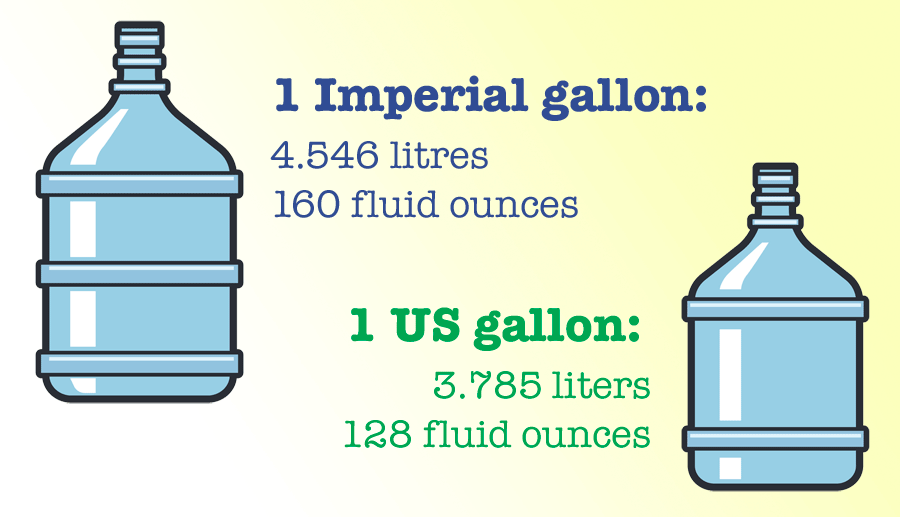
Let’s talk about two gallons of water. It sounds simple enough, right? But when you stop to consider it, that volume is a sneaky heavyweight in your daily life.
First, the hard numbers. Two gallons equals 256 fluid ounces, or roughly 7.5 liters. That’s about the size of a small cat—or, more practically, four standard 64-ounce water bottles you might grab at the bodega.
What Does Two Gallons Actually Look Like?
Picture a classic milk jug. Now picture two of them sitting side-by-side on your kitchen counter. That’s about 16.6 pounds of water, plus the weight of the containers.
Must Read
Lift that weight for a few seconds—it’s not nothing. In fact, it’s roughly the same as carrying a small toddler or a hefty bag of dog food. Suddenly, hydration feels a lot more physical.
The Hydration Myth You Should Know
You’ve heard the famous “drink eight glasses a day” rule. That’s about half a gallon, or one-quarter of our two-gallon goal. The idea that you need two gallons daily is a common internet trend, not a medical mandate.
According to the National Academies of Sciences, most men need about 3.7 liters daily, and women about 2.7—including water from food. So two gallons is roughly double the typical recommendation for women.
Unless you’re a marathon runner in the desert or a competitive cucumber eater, you probably don’t need to chug two gallons. Your kidneys will politely suggest otherwise.
The Cultural Weight of Two Gallons
Think of the plastic water bottle industry—it loves a big number. A two-gallon jug is iconic in sustainability circles, the kind you see in a Zero Waste influencer’s TikTok. It’s the visual shorthand for “I’m serious about my hydration.”
In pop culture, two gallons shows up as the standard volume for a Brita filter pitcher. That’s also roughly the water content of an average human brain. Coincidence? Probably, but it’s fun to imagine.
Ever seen the movie “The Martian”? Mark Watney’s water ration was about two gallons per day. He made it last by being very careful. You don’t have to be that careful, but it puts your drinking habit into cosmic perspective.
Practical Tips for Your Two-Gallon Moment
If you ever need to carry two gallons—say, for camping or a hurricane prep—use a wide-mouth container. It’s easier to fill, and you won’t spill half your life’s hydration on your sneakers.
 How Much Do You Pay For A Gallon Of Water at Mariam Mountgarrett blog
For weight comparison: Two gallons of water weighs about the same as a gallon of paint plus a pound of butter. That’s why movers hate carrying multiple jugs at once.
Pro tip: If you’re trying to drink two gallons a day, mark it on your bottle hourly. Divide 256 ounces by 16 waking hours—that’s 16 ounces per hour. Set a timer; your phone will be your hydration drill sergeant.
The Fun Facts You Didn’t Know
Two gallons of water contains roughly 17,920 droplets (give or take, depending on droplet size). That’s more droplets than there are stars visible to the naked eye on a clear night. Hydration is literally astronomical.
At room temperature, two gallons of water takes about 45 minutes to boil on a standard stovetop. That’s enough time to binge a single episode of your favorite sitcom—while you wait for pasta.
In terms of weight, two gallons is the same as a medium-sized watermelon. So next time you see a watermelon, imagine tipping its liquid contents into a giant glass. That’s your two-gallon challenge.
When Two Gallons Becomes a Lifestyle
Some wellness gurus swear by “gallon-a-day” challenges. Doubling that to two gallons is often called “the water fast”—not because you’re fasting, but because you’re drowning in H₂O. It’s not for the faint of bladder.
If you see someone carrying two gallons to their desk, they’re either a dedicated fitness person or they’ve just read a very enthusiastic Reddit thread. Either way, they’ll be visiting the restroom every 45 minutes.
Remember: Drinking too much water too quickly can lead to hyponatremia—a fancy word for dangerously low sodium levels. So no, you shouldn’t chug two gallons in an hour. Your body is not a camel with a death wish.
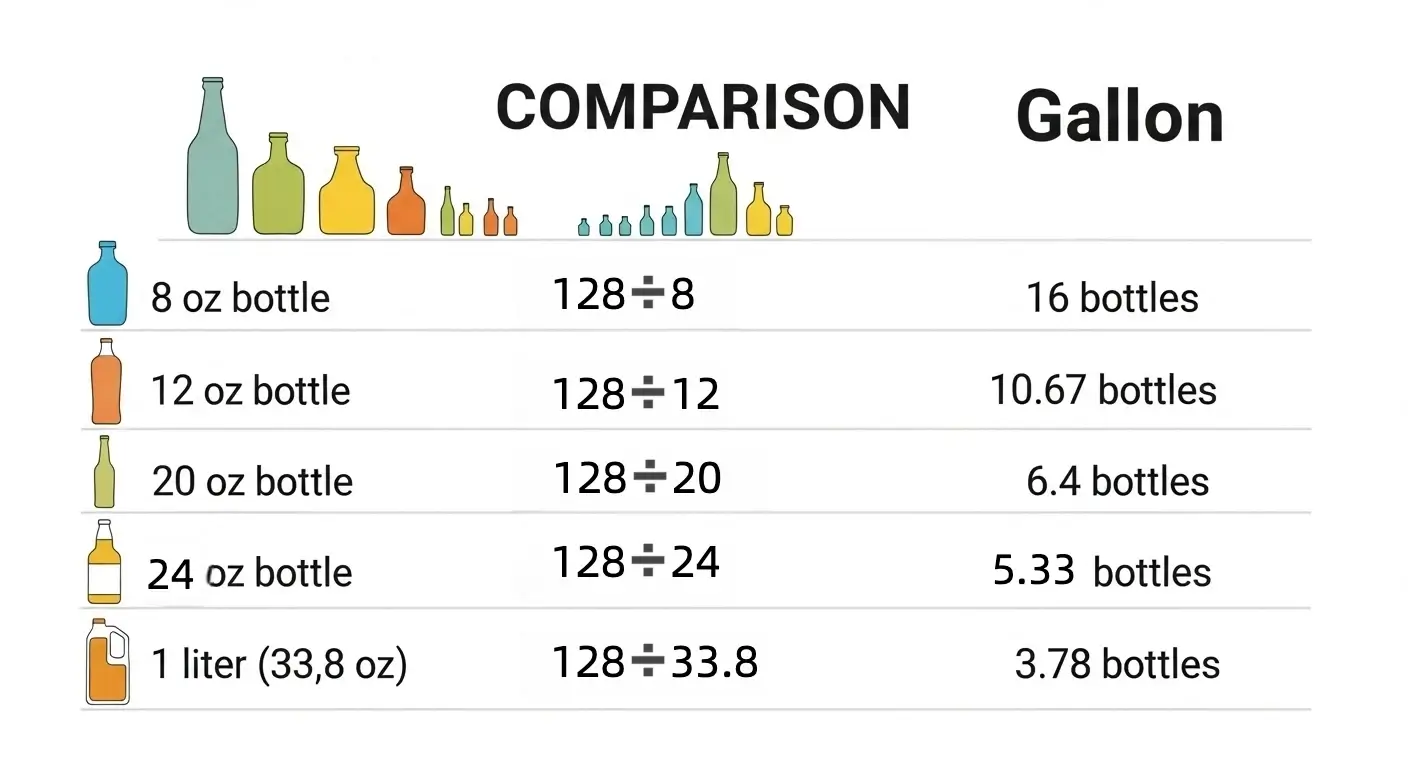 Quantas garrafas de água há em um galão? | Dicas de Hidratação
The Cultural Reference That Sticks
In ancient Rome, an aqueduct could deliver about two gallons per person per day to a public fountain. That’s the same volume we now buy in a single plastic jug at the grocery store. Progress feels both massive and tiny.
From “The Big Lebowski” to modern eco-activism, two gallons is the volume of a typical office water cooler bottle. That’s why office break rooms always feel like a scene from a survival movie.
The next time you see a five-gallon jug at the water delivery service, remember: two gallons is almost half of that. It’s the Goldilocks zone of hydration—not too little, not too much, just right for a day’s wander.
Your Practical Takeaway
Two gallons of water is a metric you can measure with your hands: two big jugs, 16 pounds, 256 ounces. It’s also the amount you’ll use for a single load of laundry, or to fill a small fish tank.
If you’re eyeing that two-gallon challenge, start with one gallon and work up. Listen to your body—it’s smarter than any influencer’s water bottle hashtag.
And if you ever feel overwhelmed by the sheer weight of two gallons, just remember: it’s also the volume of a cozy bath for a small dog. Perspective is everything.
Reflection: The Daily Pour
In a world of endless gadgets and glowing screens, carrying two gallons of water is a reminder of simplicity. It’s a heavy, clear, literal weight—a connection to the most basic need we share with every living thing.
Every time you pour a glass, you’re moving a tiny part of that mass from a jug into your cells. It’s mundane, yes, but also quietly profound. You are, in a very real way, a walking, talking two-gallon vessel.
So next time you see that jug on the counter, give it a nod. It’s not just water—it’s a reason to pause, hydrate, and remember that the simplest things often carry the most weight. Cheers to the pour.
