What Is Distilled Water Good For

You’ve seen it on the shelf—tall, plastic jugs labeled “Distilled Water,” often parked next to the filtered stuff and the fun, flavored sparkling options. It looks a bit steri...
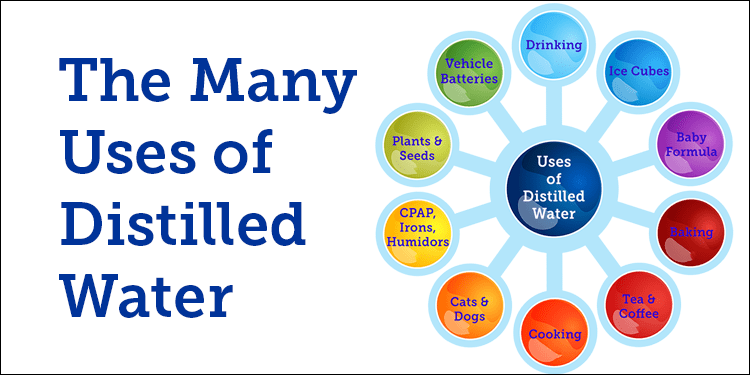
You’ve seen it on the shelf—tall, plastic jugs labeled “Distilled Water,” often parked next to the filtered stuff and the fun, flavored sparkling options. It looks a bit sterile, maybe even boring, but this clear liquid has a cult following for a reason. Let’s strip away the mystery and talk about what distilled water is actually good for, without the chemistry lecture.
First, a quick taste test: distilled water is flat. Unlike the crisp, mineral-laden spring water you buy for hiking, distilled water has been boiled into steam and then condensed back into liquid, leaving nearly everything else behind. That includes minerals, salts, and most impurities. Some people find it lifeless, but that purity is precisely its superpower.
Your Kitchen’s Secret Weapon
If you’ve ever pulled a coffee maker or a fancy kettle from the back of the cabinet only to find it crusted with white, chalky scale, you’ve met the enemy: hard water. Calcium and magnesium deposits are the culprits, and they shorten the life of your appliances. Distilled water is the gentle solution—it never leaves residue, keeping your espresso machine, steam iron, and humidifier running like new.
Must Read
Here’s a pro tip: use distilled water in your steam mop or garment steamer. Those fine spray nozzles are easily clogged by tap water minerals, but distilled ensures a smooth, even vapor every time. You’ll thank your future self when your clothes come out wrinkle-free and your floors streak-free.
And for the cocktail nerds out there—yes, some bartenders swear by distilled water when making clear ice cubes. Because it’s free of impurities, the ice freezes more uniformly, resulting in a crystal-clear cube that looks stunning in a glass of whiskey without diluting the flavor too fast.
The Car Care Club
We don’t often think about the water we pour into our cars, but your car battery and cooling system have strong opinions. Distilled water is the only safe choice for topping off lead-acid batteries because tap water introduces minerals that can damage internal plates. Similarly, mixing it with coolant helps prevent corrosion in your radiator.
Window washing is another unsung hero. When you use distilled water in a spray bottle with a dash of vinegar, you get a streak-free shine that makes your windshield look like it belongs in a car commercial. No more angry little dots from hard water spots left behind by rain.
Beauty and Body Care
Your skin and hair can be picky. Hard water is notorious for leaving a soap-scum film that makes shampoo and body wash less effective, sometimes leading to dryness or breakouts. Switching to distilled water for rinsing your face or hair can be a game-changer—especially if you live in a city with notoriously hard tap water.
 Distilled Water: The Refreshing Way to Boost Your Health and Hydration
Think of it as a blank canvas. Using distilled water in a facial mister, a neti pot, or even a simple spray bottle before leaving the house gives you truly pure hydration without any hidden additives. Some skincare enthusiasts also use it to dilute essential oils for a gentle, unscented toner.
And yes, babies and sensitive tummies. While pediatricians generally say tap water is fine, mixing infant formula with distilled water is a common recommendation because it removes potential contaminants and ensures a clean start for tiny systems. Just check with your doctor first—a bit of fluoride is often beneficial for developing teeth.
A Word of Caution (Because Drinking It Gets Tricky)
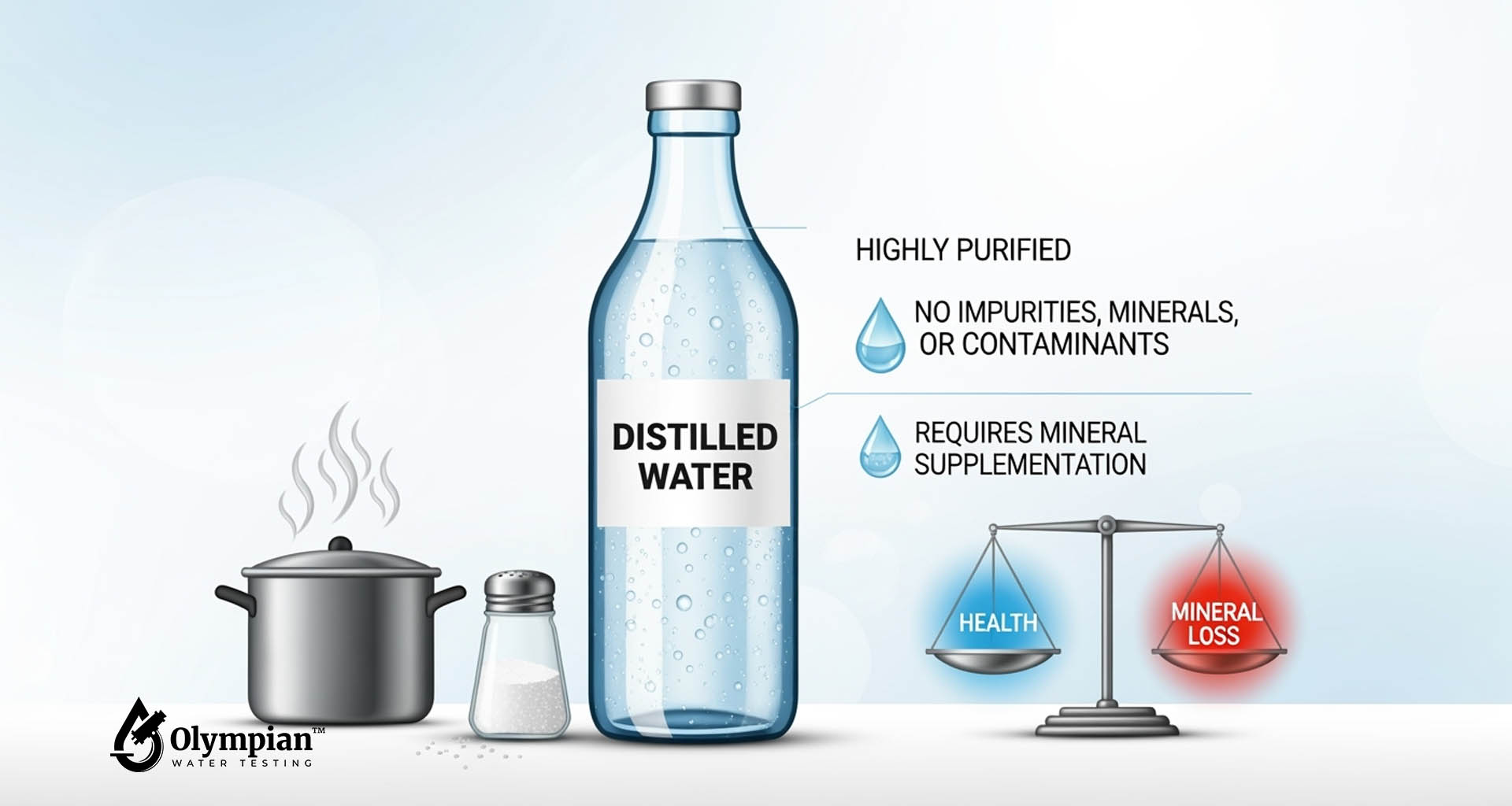
Here’s where things get real: you can drink distilled water, but you wouldn’t want it to be your only water source. The same process that removes harmful contaminants also removes essential minerals like calcium, magnesium, and potassium. Over long periods, drinking nothing but distilled water could pull minerals from your body, leading to imbalances.
But for short-term detox or occasional use? Totally fine. Some people enjoy it as a palate cleanser between meals, like a reset button for the taste buds. Just don’t replace your daily glass of mineral-rich spring water with it unless you’re supplementing those minerals through diet.
Fun fact: during the 1980s, some health gurus went all-in on distilled water as the ultimate purification tool, but modern nutritionists generally recommend moderation. Use it for tasks where purity matters most, not for your morning hydration ritual.
 Distilled Water: Uses, Safety and Side Effects – Svalbarði Polar
When to Reach for the Jug
Practical checklist: Use distilled water for your iron, CPAP machine (it prevents bacterial growth), aquarium (no chlorine or metals), and your car’s cooling system. Avoid it for drinking if you’re an athlete who needs electrolyte balance, or for plants that crave trace minerals.
One more cultural nod: in the world of home fermentation—think kombucha or sourdough—some bakers swear by distilled water because it doesn’t interfere with the yeast’s delicate chemistry. But purists argue that the minerals in tap water actually help fermentation. It’s a debate as old as sour loaves.
Ultimately, distilled water is less about drinking and more about doing. It’s the quiet, reliable friend who shows up to clean your house, protect your gadgets, and keep your skin clear, but never takes center stage at the dinner table. In a life full of filtered, infused, and carbonated chaos, sometimes a little nothing is exactly what you need.
Reflection for Your Daily Life
Think about the last time you boiled a pot of pasta. The starchy, cloudy water you poured down the drain? That’s the opposite of distilled. Purity, in water and in life, is often about shedding the excess—the minerals, the expectations, the noise. Maybe we don’t need to drink it every day, but we can admire the clarity it brings to the small, functional moments: a streak-free mirror, a perfectly steamed shirt, a car battery that hums with quiet reliability.
That’s the distilled truth: sometimes the best thing you can do is become a little less complicated. It’s not the flashiest choice, but it’s often the most dependable one—and in a world that’s always trying to add something extra, that’s a refreshing thought.
