How To Recharge A Water Softener

There’s a quiet hero in your home, working tirelessly behind the scenes, and yet you probably haven’t thought about it since the day you moved in. We’re talking about your wat...
There’s a quiet hero in your home, working tirelessly behind the scenes, and yet you probably haven’t thought about it since the day you moved in. We’re talking about your water softener, that unassuming cylinder in the basement or garage that transforms hard, mineral-laden water into something silky and kind to your skin. But even heroes need a power nap, and for a water softener, that means recharging. Let’s take the mystery out of this chore, turning it from a dreaded task into a satisfying little ritual.
Why Your Water Softener Needs a Little R&R
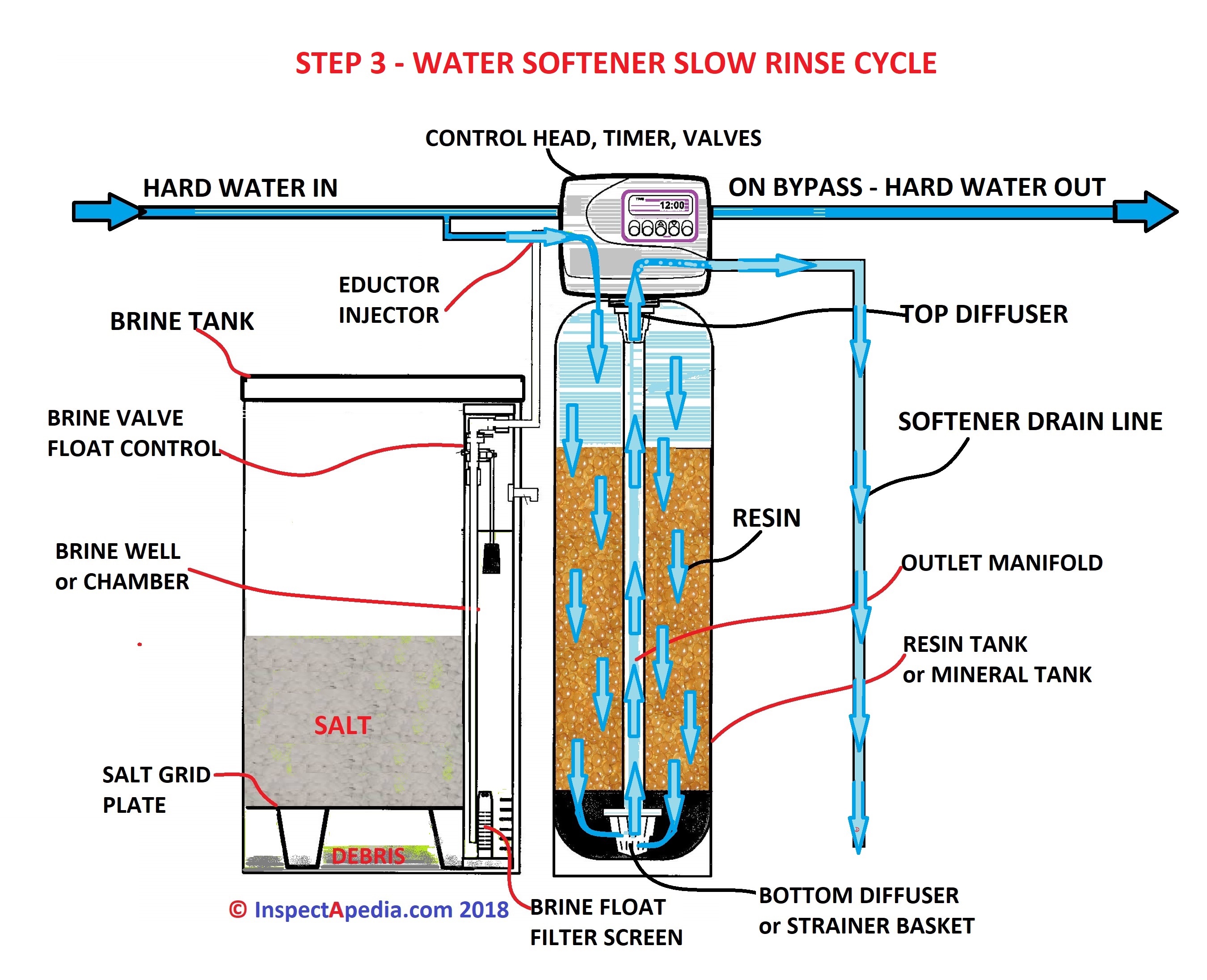
Think of your water softener like a hardworking barista who’s been pulling espresso shots all day. Eventually, the coffee beans run out, and the machine needs a refill. The resin beads inside your softener are the barista’s hands, swapping out calcium and magnesium (the hard stuff) for sodium. Over time, those hands get covered in mineral grime, and they need a salt bath to clean up.
This process is called regeneration, and it’s the core reason your system doesn’t just give up after a few weeks. Without it, your water would slowly revert to its hard, aggressive self, leaving limescale on your showerhead and a scummy film on your dishes. So, recharging isn’t just maintenance—it’s a science-backed spa day for your plumbing.
Must Read
Fun fact: the average American household goes through about 120 pounds of salt per month for a water softener, which is roughly the weight of a giant pumpkin. And just like that pumpkin, you don’t want it to rot in storage, so let’s get it right.
The Salt Check: Your First Step to Zen
Before you start, do a quick visual. Pop open the brine tank—that’s the plastic bin next to the cylinder—and look inside. Salt levels should be at least halfway full, but never packed to the brim. Think of it like filling a gas tank: you want enough for the journey, but not so much that it spills over.
If you see a hard crust or a solid bridge of salt at the top, you’ve got a salt mushroom—a common nuisance that looks like a stale loaf of bread. Tap it gently with a broom handle to break it up. This is the only time you’re allowed to pretend you’re a professional mushroom hunter, like something out of a Nordic noir film.
Avoid using rock salt or table salt here. Rock salt can contain dirt that clogs your system, and table salt has additives that gum up the works. Stick with solar salt or evaporated salt pellets—they’re the champagne of water softening. Your softener will thank you by not throwing a tantrum during the next cycle.
 How To Recharge A Water Softener at Jared Harper blog
Initiating the Recharge: Press the Right Button
Most modern water softeners have a timer or a control panel that looks like a tiny spaceship dashboard. Locate the “regenerate” or “recharge” button—it’s usually marked with a recycling symbol or a gear icon. Press and hold it for three seconds. If your unit is old-school and manual, you’ll need to turn a dial to “bypass” and then open a valve; check your manual if you’re lost, because nothing ruins a Saturday like a flooded laundry room.
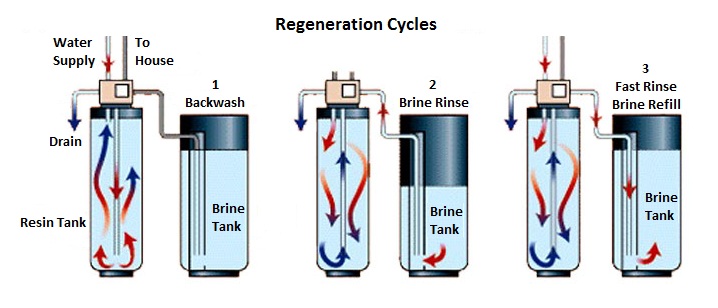
Once you start the cycle, the machine will go through four stages: fill, brine, rinse, and purge. It’s like a dance where the water softener takes a salt bath, shakes off the dirt, and then does a victory lap. The whole process can take 90 minutes to two hours, so don’t stand there watching it like you’re waiting for paint to dry. Go make a cup of tea, scroll through Instagram, or pretend you’re a minimalist in a Scandinavian furniture catalog.
A quick tip: schedule your recharges for the middle of the night if your system allows it. This way, you’re not fighting for hot water during a morning shower. It’s the equivalent of giving your appliances a quiet shift while you dream of salt-crusted bread.
Practical Tips for the Long Haul
Check your salt level every two to four weeks. Set a calendar reminder with a funny emoji, like a salt shaker or a water droplet wearing glasses. If you wait until your water tastes like a mineral fight club, you’re already too late.
Also, keep the brine tank clean. Once a year, give it a deep scrub with a mild soap and water, but never use bleach—it can damage the resin beads. Think of it as an annual spring cleaning for your softener’s wardrobe, tossing out the gunk and letting fresh salt move in.
 How Long Does it Take for a Morton Water Softener to Recharge? (Brief
If your water has a funny smell after recharging, like rotten eggs, you might have a bacterial issue. Add a quarter cup of hydrogen peroxide to the brine tank during a cycle. This is the home remedy your softener never knew it needed—like a detox smoothie for a machine.
One More Thing: The Salt Bridge Sabotage
Have you ever seen a layer of hard, crusty salt hovering above the brine tank floor? That’s a salt bridge, and it’s the secret villain of water softening. It looks solid, but it’s just a crusty lid that prevents new salt from reaching the water. Break it up with a broom handle or a long spoon. You’ll feel like a plumber-gamer defeating a final boss.
If the bridge is stubborn, pour warm water over it to dissolve the edges. Do not use hot water, as it can crack the plastic tank. This is one of those rare moments where patience is a virtue, like waiting for an avocado to ripen perfectly.
Reflection: The Everyday Harmony
Recharging a water softener isn’t about bending to the demands of a machine—it’s a small act of care that keeps your home running smoothly, just like making the bed or watering a plant. You’re reminding the universe that even the most mundane tasks have a rhythm, a pulse, a little bit of poetry. The next time you step into a shower with water that feels like silk on your shoulders, remember that you did that. You gave the system a salt fix, a moment of rest, and it gave you back a better day.
So go ahead, pat your water softener on its plastic lid. It’s the unsung assistant in your morning routine, the silent partner in your soft laundry, and the humble guardian of your pipes. Recharging it isn’t a chore—it’s a gentle reset, a quiet nod to the fact that even the hardest water can be softened with a little salt and a lot of love.
