How To Get Rid Hard Water Stains

So, you’ve got hard water stains. Those ghostly, chalky white rings on your faucets that look like a crime scene for minerals. Your shower door looks like it’s been dusted wit...
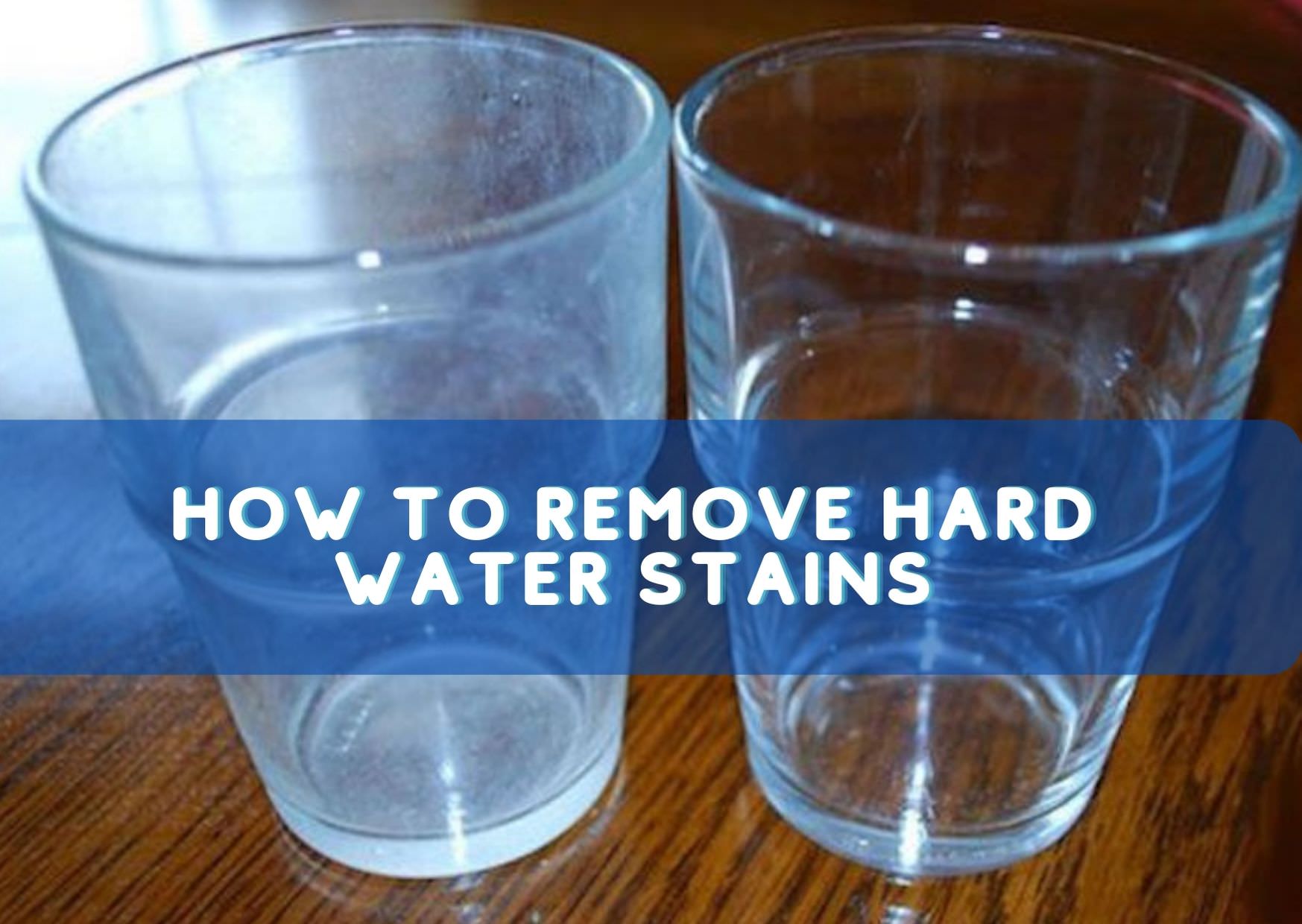
So, you’ve got hard water stains. Those ghostly, chalky white rings on your faucets that look like a crime scene for minerals. Your shower door looks like it’s been dusted with powdered sugar by a very angry baker. Don’t worry—we’re going to wage war on this calcium carbonate menace, and we’re bringing the giggles.
Meet Your Enemy: The Chalky Crustacean
Hard water stains are basically mineral graffiti left by calcium and magnesium. They’re like tiny, stubborn barnacles that think your sink is their private beach. Fun fact: that white buildup is chemically similar to chalk and, yes, the same stuff in your Tums antacid. Chewing on it won’t help your heartburn, though.
You could scrub for hours with nothing but elbow grease. But why do that when science (and a little vinegar) can do the heavy lifting?
Must Read
The Holy Trinity: Acid, Acid, and More Acid
White Vinegar: The Kitchen Hero
Grab that bottle of white vinegar from your pantry—the one you only use for pickling regrets. Vinegar is acetic acid, and it dissolves calcium carbonate like a hot knife through butter. Pour some into a spray bottle, spritz your stains, and wait ten minutes. It will stink like a bag of sour gummy worms, but that’s the smell of victory.
For faucet aerators, soak them in a bowl of full-strength vinegar overnight. In the morning, they’ll be as shiny as a freshly licked spoon. And yes, you can literally boil vinegar—but please don’t breathe it in unless you want to cry.
Lemon Juice: The Zesty Backup Dancer
If vinegar’s smell makes you want to move to a soft-water planet, use lemon juice. It’s also acidic, smells like summer, and makes your countertops smell like a lemonade stand. Cut a lemon in half, dip it in salt (for gentle abrasion), and scrub away. The citric acid will make those stains run like they just heard a dog bark.
Pro tip: Don’t use this on marble or granite unless you enjoy etching permanent dull spots. That acid will eat your precious stone faster than a toddler on a sugar rush.
 How to Remove Hard Water Buildup From Faucet | Easy Hard Water Stain
The Heavy Artillery: Baking Soda and Cream of Tartar
Baking Soda: The Fizzy Hammer
For tougher stains—like the ones on your shower floor that look like a map of the moon—make a paste of baking soda and vinegar. It will fizz like a science fair volcano. Spread the paste, let it sit for 15 minutes, then scrub with a soft brush. The bubbles help lift the gunk so you don’t have to.
If you’re feeling extra, add a squirt of dish soap. You’ll get a paste that cleans so hard, it should pay rent.
Cream of Tartar: The Secret Weapon
Here’s a surprising fact: Cream of tartar—that dusty bottle you bought for a meringue recipe in 2019—is a natural acid salt. Mix it with hydrogen peroxide to form a paste, and it will dissolve hard water rings on glass like a magician. Rub it on, wait five minutes, and rinse. Your shower door will be so clear, you’ll forget you have a privacy problem.
The Nuclear Option: Commercial Products (And a Warning)
If your stains are older than your Wi-Fi password, consider a product like CLR or Lime-A-Way. These are professional-grade acids that work fast. But please—wear gloves. Do not mix them with bleach unless you want to recreate a chemical war scene in your bathroom. And never let them sit on metal fixtures too long, or you’ll have etched stains that even your therapist can’t fix.
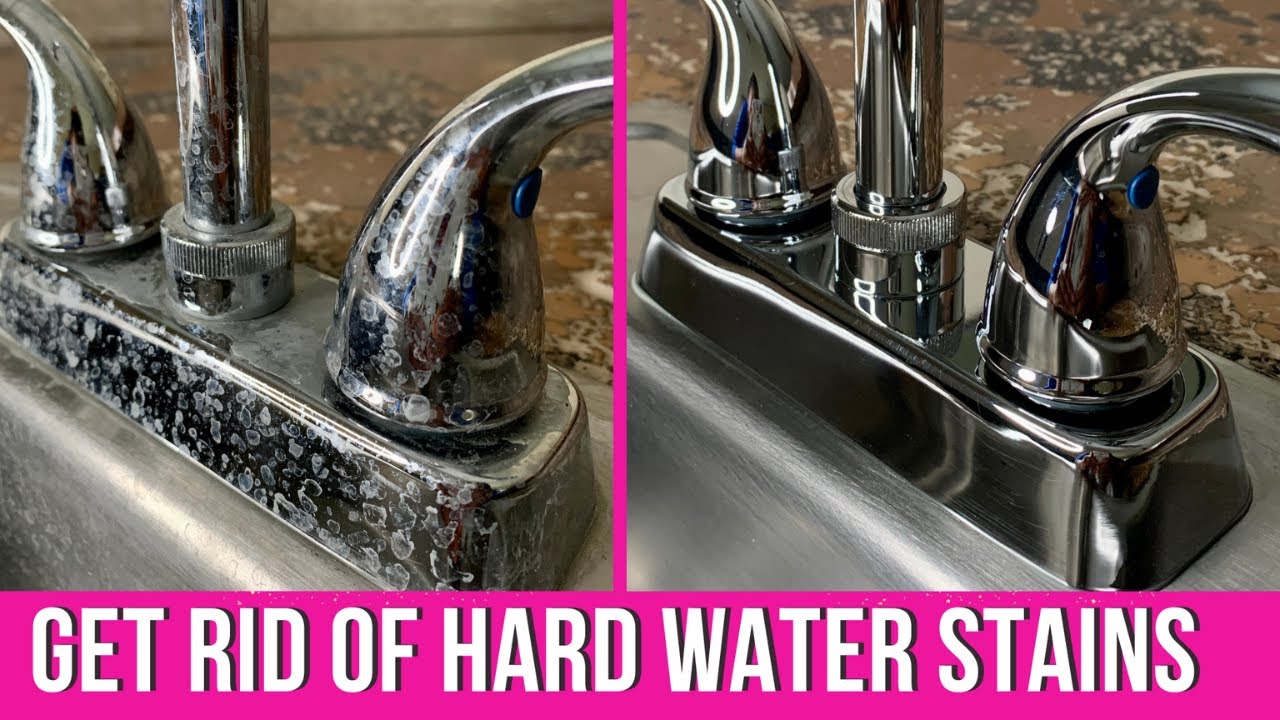 🤯How To Remove Hard Water Calcium From Faucet Part 2 🤯💦 - YouTube
I once used CLR on a faucet and forgot to rinse. It turned the chrome into a sad, foggy mirror. Learn from my pain.
Prevention: The “Stop Scrubbing” Strategy
The best way to get rid of hard water stains is to never let them form. After every shower, grab a squeegee and wipe down your glass doors. It takes 30 seconds and is less annoying than cleaning a geode off your tile later. For faucets, a quick dry with a microfiber cloth works wonders—think of it as giving your fixtures a spritz of confidence.
You can also install a water softener, which is basically a magic box that trades calcium for sodium. Your skin will feel silkier, your pipes will thank you, and you’ll save hours of scrubbing. Plus, you can joke that you’re now drinking “salty water” and watch people cringe.
The Grand Finale: A Laugh and a Sparkle
Remember: hard water stains are not a personal failing. They’re a proof of your local geology. Your town’s water is just mineral-rich, like a fancy spa for your plumbing. So grab your vinegar, your lemon, or your cream of tartar, and go show those stains who’s boss.
And when your shower looks like a high-end hotel again, treat yourself to a victory dance. Just don’t slip on the wet floor—that stain-free shine can be treacherously slick.
