How To Measure Hardness Of Water

Let’s talk about water. Not the fancy bottled kind. The stuff that comes out of your tap and makes your soap sad. We’re talking about hard water. It’s a sneaky villain in your...
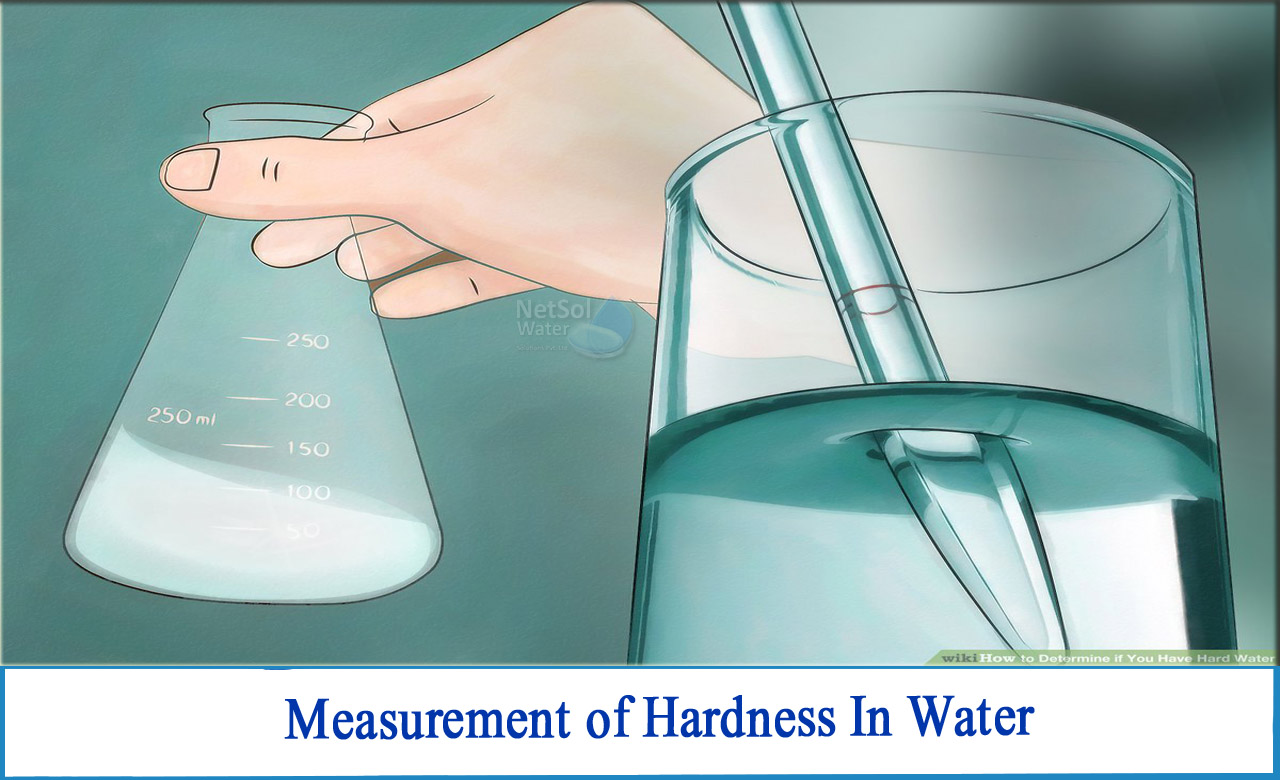
Let’s talk about water. Not the fancy bottled kind. The stuff that comes out of your tap and makes your soap sad. We’re talking about hard water. It’s a sneaky villain in your home.
Hard water is full of minerals—mostly calcium and magnesium. Think of it as water that went to the gym and got bulky. These minerals don’t hurt you, but they wreck your pipes and dishes.
Ever seen a white, crusty ring in your bathtub? That’s hard water throwing a tantrum. Annoying, right? But measuring it? That’s surprisingly fun.
Must Read
Why Bother Measuring Hard Water?
Because ignorance is not bliss. It’s a cloudy glass of yuck. Knowing your water’s hardness helps you choose the right soap, save your appliances, and protect your hair.
Hard water makes shampoo feel like a lie. You scrub and scrub, but your hair still feels sticky. Measuring it gives you power back.
Plus, it’s a cool party trick. Pull out a test kit at a barbecue and watch everyone’s jaws drop. You’ll be the hero of kitchen chemistry.
The Classic DIY Method: The Soap Shake
Grab a clean, clear bottle with a lid. Fill it halfway with tap water. Add a few drops of pure liquid soap—no detergents, no fancy scents.
Now put the lid on and shake it like you mean it. Like you’re mixing a cocktail for a grumpy wizard. Watch what happens.
Lots of fluffy bubbles? You’ve got soft water. No bubbles, just cloudy foam? That’s hard water. The minerals fight the soap and lose every time.
Fun fact: This test is ancient. People did it before science had a name for it. They just knew their soap was a traitor.
Science Gets Serious: Test Strips
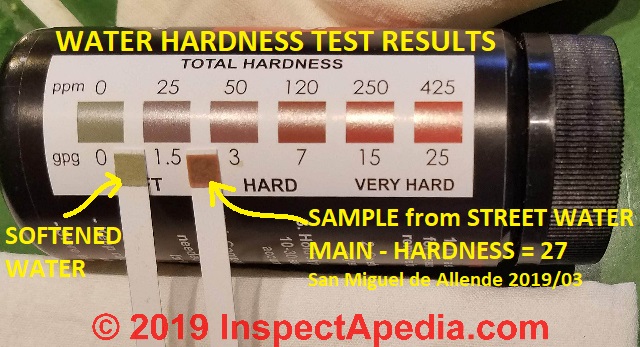
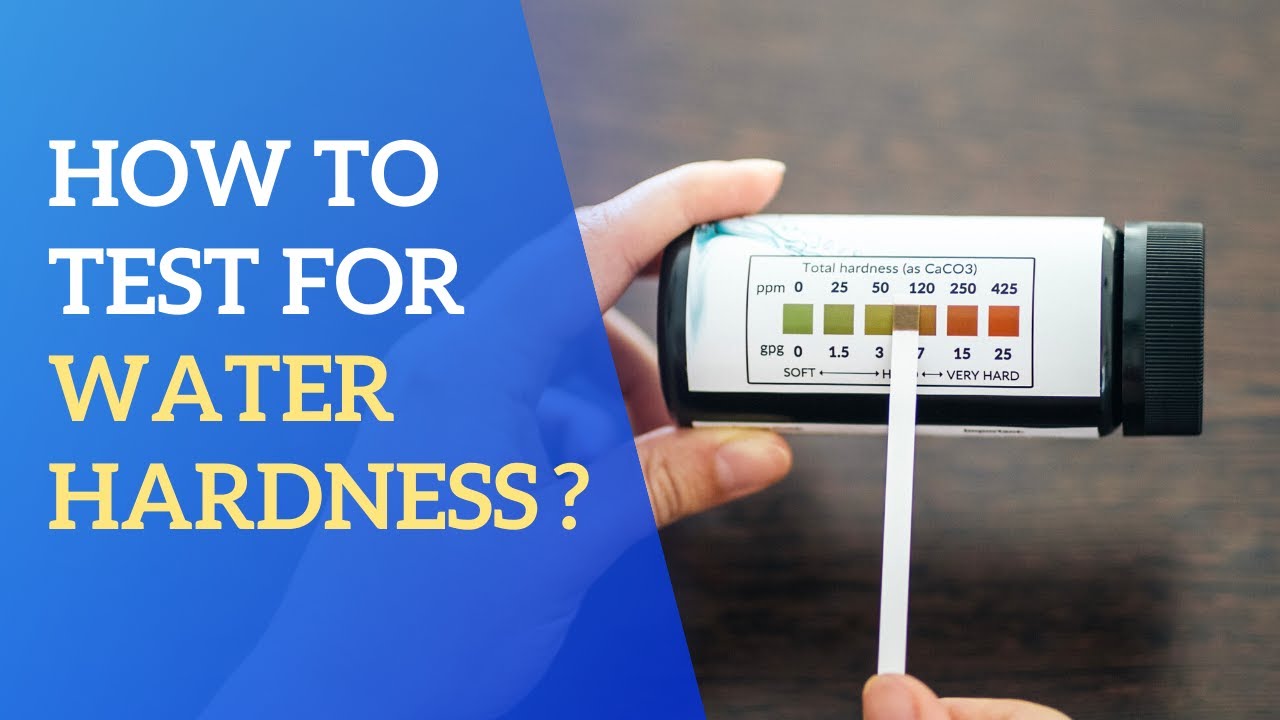
You can buy a pack of test strips at any hardware store. They look like tiny mood rings for your water. Dip one in a glass of tap water for a few seconds.
Watch the color change. Compare it to a chart on the bottle. Blue means soft. Red or pink means hard. It’s that simple.
 How To Measure Hardness – Material Hardness: A Comprehensive Guide to
The results are measured in grains per gallon (gpg) or parts per million (ppm). Soft water is under 1 gpg. Moderately hard is 3.5 to 7 gpg. Very hard is over 10.5 gpg.
Quirky detail: Some test strips can detect iron too. That’s the “rusty pipe” problem. Hard water is a mineral mix, not just one bully.
The Fancy Gadget: TDS Meter
A TDS meter looks like a thermometer from space. You dip it in water, and it gives you a number. Total Dissolved Solids—that’s what TDS means.
This device measures everything dissolved in your water. Minerals, salts, even mysterious gloop. It doesn’t tell you which minerals, just how much stuff is in there.
For hard water, anything above 120 ppm is worth noting. Above 200 ppm? Your water is basically a rock smoothie. Don’t drink the smoothie.
Funny fact: A TDS meter can cost as little as a fancy coffee. And it never complains about bad coffee—convenient.
The Lab Test: Send It to Pros
Want the full detective story? Mail a sample to a water testing lab. They use atomic absorption spectroscopy. That sounds like a superhero power. It’s actually a machine that counts atoms.
They’ll tell you exactly how much calcium and magnesium you have. Down to the microscopic grain. It’s like giving your water a fingerprint analysis.
This method is overkill for most people. But if you’re obsessed with precision, go for it. Just don’t expect a thank-you letter from your faucet.
The Quirky History of Hard Water
People have hated hard water for centuries. Ancient Romans complained about it. They built aqueducts and still got crusty pots. Some things never change.
 A Guide For How To Test Water Hardness – JFFA
In the 1800s, scientists called it “temporary hardness” and “permanent hardness.” Temporary hardness goes away when you boil water. Permanent hardness? It stays forever, like that one guest at a party.
There’s even a myth that hard water makes you stronger. It doesn’t. But it does make your coffee taste bitter. That’s a real tragedy.
Why This Matters for Your Daily Life
Hard water ruins coffee makers. The minerals build up inside, clogging everything. You end up with a sad, slow drip. Measure your water before your morning brew betrays you.
It also attacks your water heater. Hard water creates scale that acts like a blanket, making it work harder. Your energy bill goes up. Your heater cries silently.
And your laundry? Hard water makes clothes gray and stiff. Detergent can’t do its job. Your favorite t-shirt looks like it gave up on life.
The Smell Test? Not a Thing
You cannot smell hardness. Hard water is not stinky. You can taste it sometimes, but it’s subtle. Don’t sniff your tap water and declare it hard. That’s not science.
You can, however, feel it. Hard water leaves a slick, sticky film on your skin. That’s the soap reacting with minerals. Your skin isn’t dirty—it’s just betrayed by chemistry.
The Final Truth: It’s All About Curiosity
Measuring water hardness is a tiny act of rebellion. You stop being a passive drinker. You become an observer. A water whisperer.
It’s also surprisingly satisfying. Like popping bubble wrap, but with data. You’ll never look at your kitchen sink the same way.
So go ahead. Grab a strip. Shake a bottle. Be weird about your water. Curiosity is free. And your soap will thank you with bubbles that actually last.
