How To Know If I Have Hard Water

So, you’ve moved into a new place, and your shower suddenly feels like you’re being flogged by a thousand tiny, invisible sand monsters. Or maybe your once-glorious hair now r...
So, you’ve moved into a new place, and your shower suddenly feels like you’re being flogged by a thousand tiny, invisible sand monsters. Or maybe your once-glorious hair now resembles a scarecrow’s leftover straw. Congratulations—you might have hard water. It’s not a plague, but it’s a seriously annoying house guest that never leaves.
The Soap That Hates You
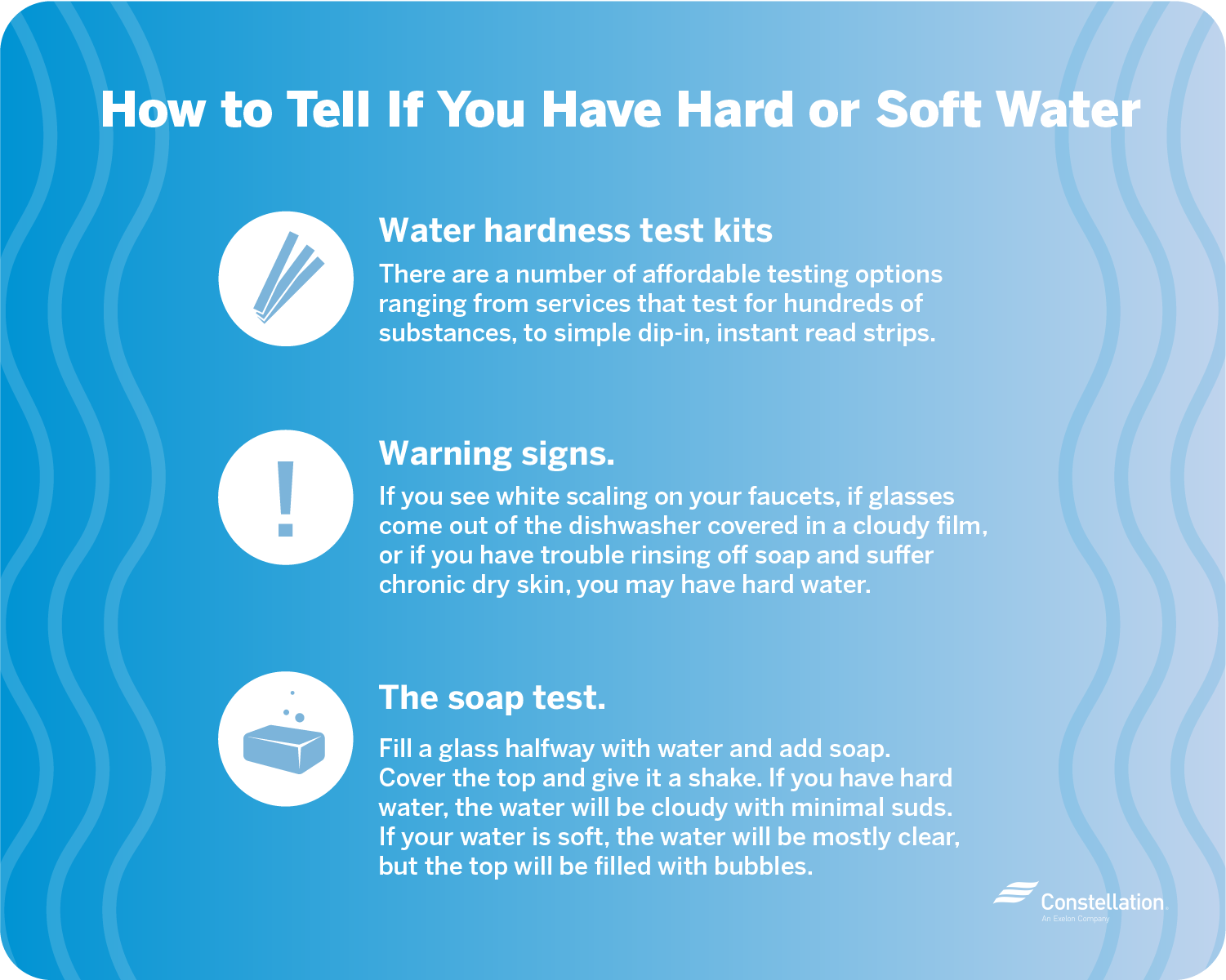
Hard water is basically water that’s packed with minerals, mostly calcium and magnesium. Think of it as water that went to a rock concert and forgot to leave. The first clue? Your soap turns into a sulky, uncooperative mess that refuses to lather.
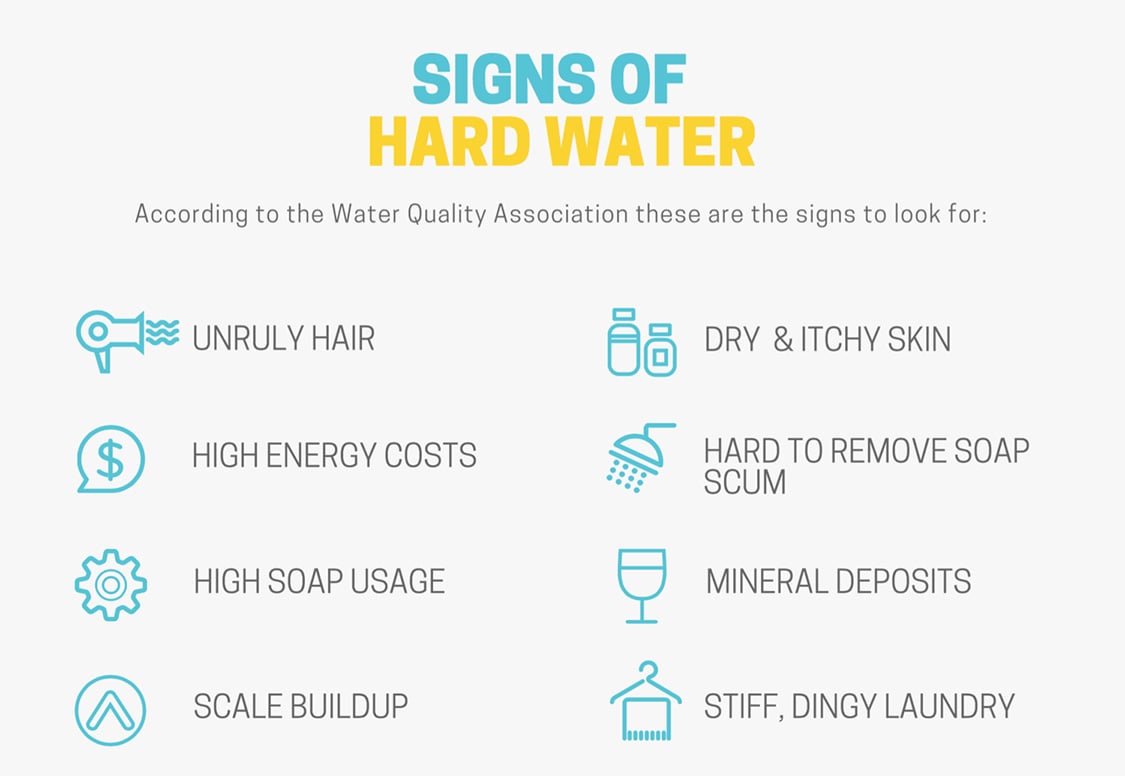
You’ll be scrubbing like a maniac, and instead of suds, you get a weird, slimy film. This is the water’s way of saying, “I’m too tough for your fancy bubbles.” You might as well be washing with oily milk.
Must Read
The Washing Machine Betrayal
Next, check your laundry. If your white socks are coming out looking like they fought a mud puddle and lost, that’s hard water. Those minerals cling to fabric, trapping dirt and making colors look dingy.
And your towels? They’ll feel stiff enough to scrub a barbecue grill. Hard water minerals act like a glue, sticking to fibers and making them crispy. You’ll dry off and wonder if you accidentally used a cheese grater instead of a towel.
Spotting the Enemy in Your Kitchen
Head to the faucet and look for white, crusty buildup around the spout. That’s not a fossil from a prehistoric snail—it’s calcium scale, the calling card of hard water. It’s the same stuff that makes your coffee maker start sputtering like a dying robot after three months.
Pour yourself a glass of tap water. If it looks cloudy or leaves a film on the glass, you’ve got mineral soup. The taste? Slightly metallic, like licking a penny that’s been left in a pocket with a piece of chalk.
The Shower Glass of Shame
Now, examine your shower door. If it looks like someone drew a frosty pattern with glue and regret, that’s hard water etching glass. Those spots are nearly impossible to scrub off without industrial acid—and a therapist.
 How To Check Water For Hardness at Brianna Hort blog
The same scale builds up in your pipes, slowly choking them like a boa constrictor who really loves rocks. Eventually, your water pressure becomes a sad little trickle. It’s nature’s way of punishing you for not buying a water softener sooner.
The Skin and Hair Horror Show
Hard water is a bully to your skin. The minerals mix with soap to create a scum that sits on your skin, blocking moisture. You’ll step out of the shower, dry off, and feel like you’re wearing a tight, invisible mask of chalk.
This can cause itchiness, flaking, or even acne—because your pores are being clogged by tiny rock fragments. Your shampoo also stops working, leaving your hair feeling straw-like and brittle. You’ll spend a fortune on conditioner and still look like a scarecrow’s cousin.
Surprising Fact: It’s Actually Healthy (Sort Of)
Here’s the twist: hard water is not toxic. In fact, those calcium and magnesium minerals are good for your bones. So while your skin hates it, your skeleton is doing a happy dance. But you’re not a skeleton—yet.
The USGS found that 85% of American homes have hard water. That means you’re part of a huge, crusty club. The main problem is aesthetic and mechanical: it wrecks appliances, ruins clothes, and makes bathing feel like a punishment.
 A Detailed Guide on Hard Water Treatment Systems
The Unofficial Test: The Squeeze Test
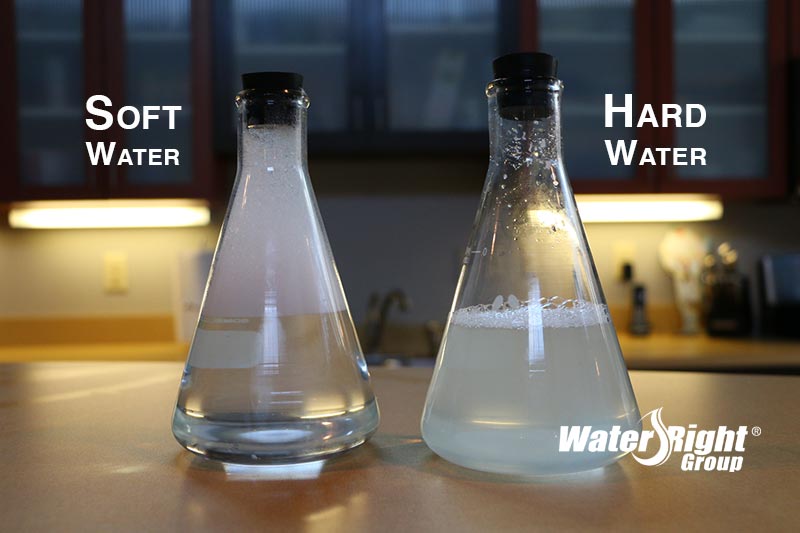
Want a quick, low-tech test? Fill a clear plastic bottle halfway with tap water. Add about five drops of pure liquid dish soap—not the fancy moisturizing kind. Put the cap on and shake it for 10 seconds.
If you get a massive, fluffy pile of suds, your water is soft and lovely. If you get a thin, sad layer of bubbles with a cloudy liquid underneath, you’ve got hard water. It’s the soap-equivalent of a party where nobody showed up.
The Corrosion Factor (Wait, What?)
Here’s a little-known nightmare: hard water can actually corrode metal pipes if the water is also acidic. But usually, it just coats everything in rock. Your water heater has to work harder to heat mineral-laden water, which can slash its lifespan by years.
Think of it this way: every time you run a hot shower, you’re slowly turning your water heater into a tombstone. It’s like paying a monthly rock tax.
The Verdict and the Solution
So, do you have hard water? If your soap is weak, your hair is crisp, and your faucets look like a cave, then yes. Don’t panic—it’s fixable. A whole-house water softener uses salt to swap those hard minerals for softer ones, turning your water from “mountain stream” to “cloud juice.”
Until you get one, embrace the chaos. Tell your friends your skin is “textured.” Call your shower spots “art.” Just remember: you’re not dirty—your water is just determined to be a rock star. And every rock star needs a pack of thirsty towels.
