How To Shut Off Hot Water Supply

So, you’ve got a geyser that’s gone rogue, or maybe a pipe that’s decided to act like a lawn sprinkler in your kitchen. Don’t panic! Before you call a plumber and spend your c...
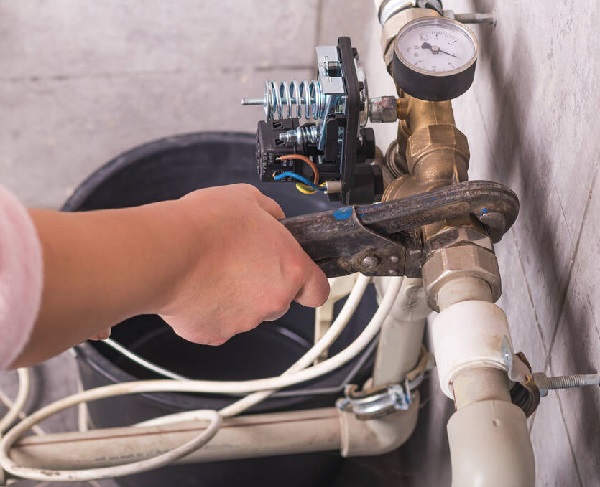
So, you’ve got a geyser that’s gone rogue, or maybe a pipe that’s decided to act like a lawn sprinkler in your kitchen. Don’t panic! Before you call a plumber and spend your coffee money, let’s tackle the one thing that stops the chaos cold: shutting off the hot water supply. It’s easier than assembling IKEA furniture—and way less likely to make you cry.
First, Find the Right Enemy
Hot water doesn’t just vanish into thin air; it comes from a source. That source is usually a water heater—a big, metal tank hiding in a closet, basement, or garage. If you live in an apartment, it might be a shared unit that looks like a giant thermos.
Pro tip: If your water heater is pink and fluffy, you’re probably in a hotel. That’s not yours to touch. Step away.
Must Read
The Classic Move: The Tank Valve
On top of your water heater, you’ll see a cold water inlet—a pipe with a valve that usually has a red or blue handle. This is your golden ticket. Turn that handle clockwise (righty-tighty) until it stops. That shuts the cold water from entering the tank, which means no new hot water gets pushed out.
Why cold water? Because hot water doesn’t come from a secret hot-water pipe; it’s heated cold water. Mind blown? Same.
If you have a tankless water heater (the fancy, wall-mounted kind), look for a similar valve on the cold water supply line near it. Turn that off, and you’ve just become a plumbing ninja.
But Wait—What If There’s a Leak?
If water is already gushing like Old Faithful, don’t waste time hunting for the heater valve. Go straight for the main water shut-off valve for your whole house. That’s usually near where the water pipe enters your home: a basement, crawlspace, or outside near the foundation.
Your whole house loses water—cold and hot—but hey, the flood stops. You can flush toilets with a bucket and feel like a pioneer for a day. Fun, right?
 How To Shut Off Hot Water Heater
The Secret Weapon: Each Fixture’s Own Valve
Did you know that sinks, toilets, and washing machines usually have their own shut-off valves? Look under the sink—there’s typically two little knobs: one for cold, one for hot. The hot one is on the left (always the left, thanks to plumbing tradition).
Turn that knob clockwise (or push a little lever if it’s a modern one) and bam—no more hot water at that sink. Perfect for when your faucet is screaming like a banshee but the rest of the house can still run.
If the knob is stuck? Try using a pair of pliers with a cloth so you don’t strip it. If it still won’t budge, do the main valve thing. Also, accept that this knob is now your arch-nemesis.
Bonus Tip for Grown-Up Homes
Some newer homes have a water shut-off system with a smart sensor that auto-closes when it detects a leak. If you have one, you’re basically living in the future. Just check the app, or push the big red button labeled “EMERGENCY.” (Yes, it’s really labeled that.)
For the rest of us mortals, keep a flashlight and a pair of pliers near your water heater. You’ll feel like a superhero when the pipe bursts at 2 AM and you save the day in your pajamas.
What NOT to Do (The Comedy of Errors)
Do not turn off the gas or electricity to your water heater unless you’re ready to relight a pilot light or reset a breaker. That’s advanced-level stuff, and your heater will sulk for hours.
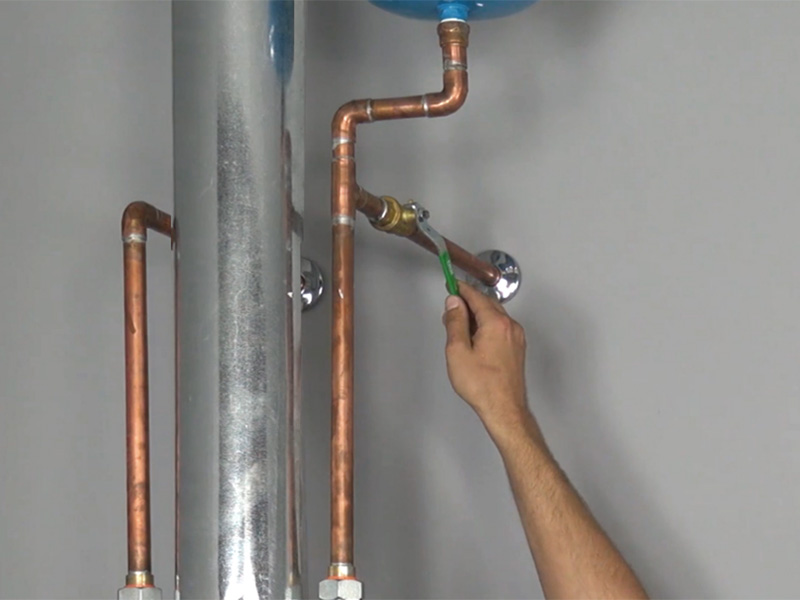 How to Turn a Water Heater On & Off | A. O. Smith
Do not yank the temperature-pressure relief valve (the little lever on the side). That’s not a shut-off; it’s a safety release, and it will spray hot water at you like a prank gone wrong.
Also, don’t use a sword. I know it sounds epic, but it’s not effective for plumbing.
When You’re Costing the Water Heater
If your water heater is old and rusty, the shut-off valve might be corroded. If it doesn’t turn, call a plumber immediately. Forcing it could snap the valve off, and then you’ll have a real water feature in your basement.
Same logic applies if you see water pooling around the tank—shut off the main valve first, then call for backup. Nobody expects you to wrestle a geyser in Crocs.
The Uplifting Conclusion (You’re a Hero Now)
See? You’ve just learned how to stop a hot-water crisis with the grace of a seasoned DIY warrior. Whether you wrenched a knob under the sink or bravely faced the main valve, you’ve saved your floors, your sanity, and probably a chunk of your savings.
So go ahead—give yourself a pat on the back. You’re officially that friend everyone calls when their faucet does a dramatic impression of a waterfall. And remember: in the world of home fixes, you are the plot twist—the hero who shows up, turns a valve, and restores peace to the household. Now go make some hot water for a victory tea. (Just don’t forget to turn the supply back on first.)
