Why Is My Scalp Peeling So Much

So there I was, at a friend’s casual dinner party, leaning in to grab a chip. Suddenly, I noticed a tiny white flake drift down onto my black shirt. Then another. And another....
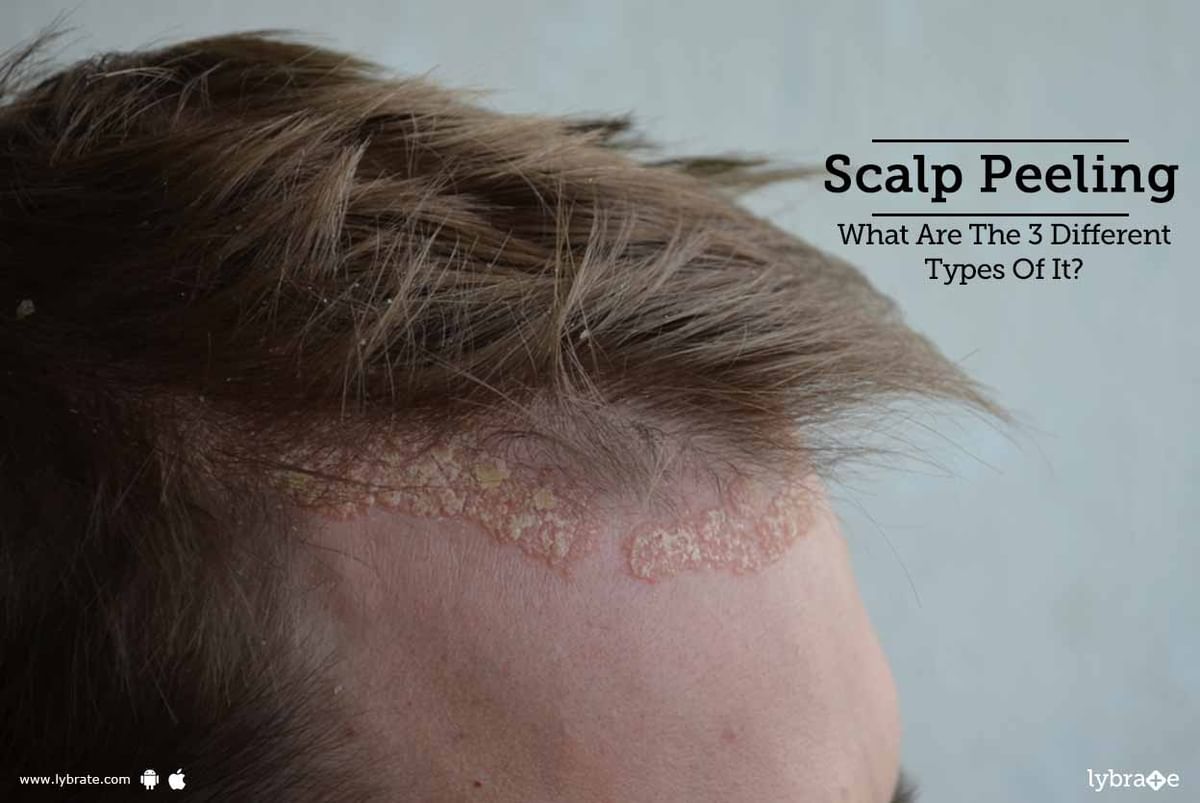
So there I was, at a friend’s casual dinner party, leaning in to grab a chip. Suddenly, I noticed a tiny white flake drift down onto my black shirt. Then another. And another. I looked up, and my buddy was staring at my shoulders like they were snowing in July. "Buddy," he whispered, "is your scalp okay?"
I laughed it off, but inside, I was screaming: Why is my scalp peeling so much? I felt like a human dandruff machine. If you’re nodding along right now, maybe brushing a shoulder or two as you read this, you’re in the right place. Let’s dig into the gritty truth behind that embarrassing snowfall.
The Usual Suspect: It’s Probably Not Just "Dry Skin"
First off, let’s bust a myth. You might think your scalp is just dry, like your elbows in winter. But surprise—it’s often the opposite. A super oily scalp can actually cause those flakes, thanks to a yeast called Malassezia. This little guy loves feasting on your natural oils, and when he overstays his welcome, your skin gets inflamed and sheds in chunks.
Must Read
So, next time you see flakes, ask yourself: is my scalp greasy by noon? If yes, it’s not dryness—it’s a yeast party, and you’re the unwitting host. And honestly? That’s way more common than you’d think.
Other Sneaky Culprits: Products, Weather, and Your Shower Routine
Let’s talk about your shampoo—yes, the fancy one you bought because the bottle looked cool. Some shampoos strip your scalp’s natural barrier, leaving it irritated and shedding like crazy. And conditioners? If you’re slathering them directly on your roots, you’re basically feeding the yeast (and the flakes). Tip: condition only the ends, my friend.
Weather also plays a villainous role. Dry winter air zaps moisture, while humid summer sweat feeds the yeast. I know, it feels like you can’t win. But the most ironic culprit? Washing too little—or too much. If you wash every three days, oil builds up. If you wash twice a day, you nuke your scalp’s microbiome. Your scalp is basically a drama queen.
When It’s More Than Dandruff: Psoriasis, Eczema, or Something Else?
Okay, deep breath. If your flakes are thick, yellow, and greasy, you might have seborrheic dermatitis—a fancy name for severe dandruff. But if they’re silvery and you also have red, itchy patches on your elbows or knees, that’s psoriasis. Yes, it can attack your scalp too. And eczema? It loves to hide under your hair, causing a maddening itch that makes you scratch until you bleed.
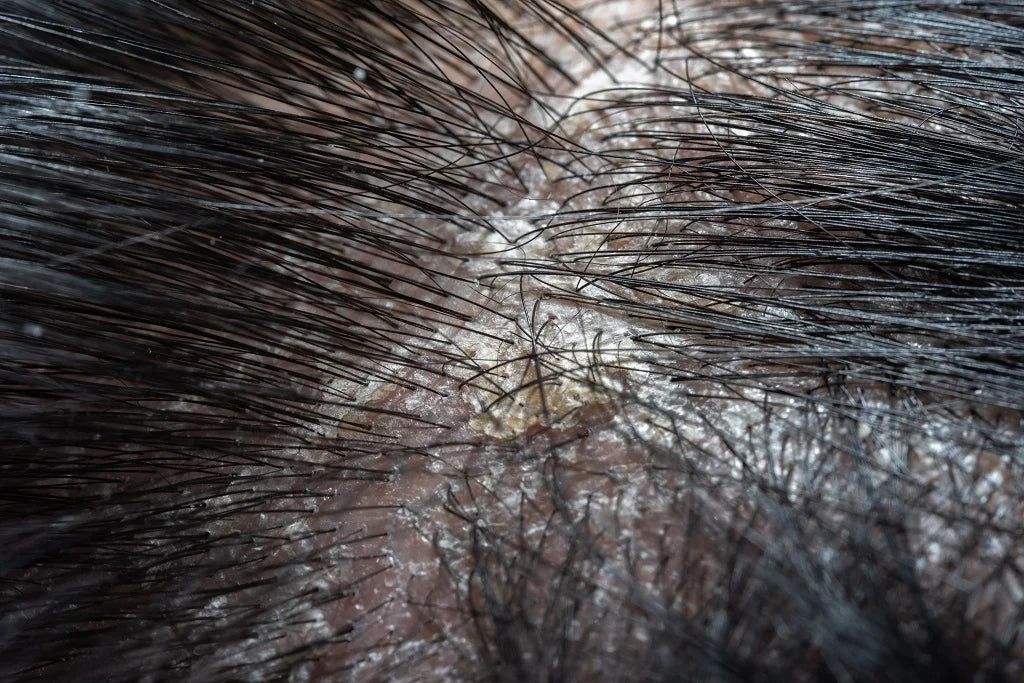 What Is Scalp Peeling? | ThriveCo
I know this sounds scary, but don’t panic. Most of these are manageable with the right routine. The real clue is location: dandruff flakes fall everywhere, while psoriasis patches tend to stay stuck to the scalp in defined plaques. Also, if your flakes smell? That’s a yeast overgrowth—time to switch to an antifungal shampoo.
The Product Trap: Why Your "Anti-Dandruff" Shampoo Might Be Lying
You grab a bottle labeled "anti-dandruff" from the drugstore, and it works… for two weeks. Then, the flakes return with a vengeance. Sound familiar? That’s because many of these shampoos use zinc pyrithione, which works great—until your scalp builds a tolerance. It’s like your skin becomes immune to the active ingredient.
A better approach? Rotate your shampoos. Use a ketoconazole shampoo one week, then switch to salicylic acid the next. This keeps the yeast and inflammation guessing. And for the love of all things holy, scrub gently. Scratching with your nails only damages the skin and creates more flakes.
Your Scalp Is a Microbiome—Treat It Like a Garden
Think of your scalp as a tiny ecosystem. If you over-water (too much oil), you get mold. If you under-water (too dry), you get dust. The goal is balance. That means washing every 2-3 days with a gentle, sulfate-free shampoo, and using a scalp scrub once a week to exfoliate dead skin. Yes, they make scrubs for your head. Wild, right?
 Dandruff Flakes
Also, diet matters. I’m not saying you need to become a kale monk, but cutting down on sugar and dairy can calm the yeast. And stress? It literally makes your scalp angry. So when you’re stressed about the flakes, you get more flakes. It’s a vicious, flaky cycle.
When to See a Doctor (And When to Chill)
If your scalp is bleeding, swollen, or painful, stop Googling and see a dermatologist. That’s not normal dandruff—that’s a medical issue. But if you’ve just got dry, flaky patches that come and go? You’re fine. Seriously, most adults have some level of scalp flaking. It’s like a badge of being human.
In my case, I switched to a tea tree oil shampoo and stopped putting conditioner on my roots. The flakes? They still show up when I’m stressed or eating too much pizza, but now I ignore them. Or I wear a light-colored shirt and call it confetti. Own it, right?
So go ahead, brush that shoulder one last time. You’re not alone—we’re all just walking around with tiny ecosystems on our heads. And honestly? That’s kind of amazing.
