Why Do Cold Drinks Taste Better

There’s a reason you reach for an ice-cold soda on a hot day, not a lukewarm one. It’s not just about temperature—cold drinks literally taste better. Science, your taste buds,...
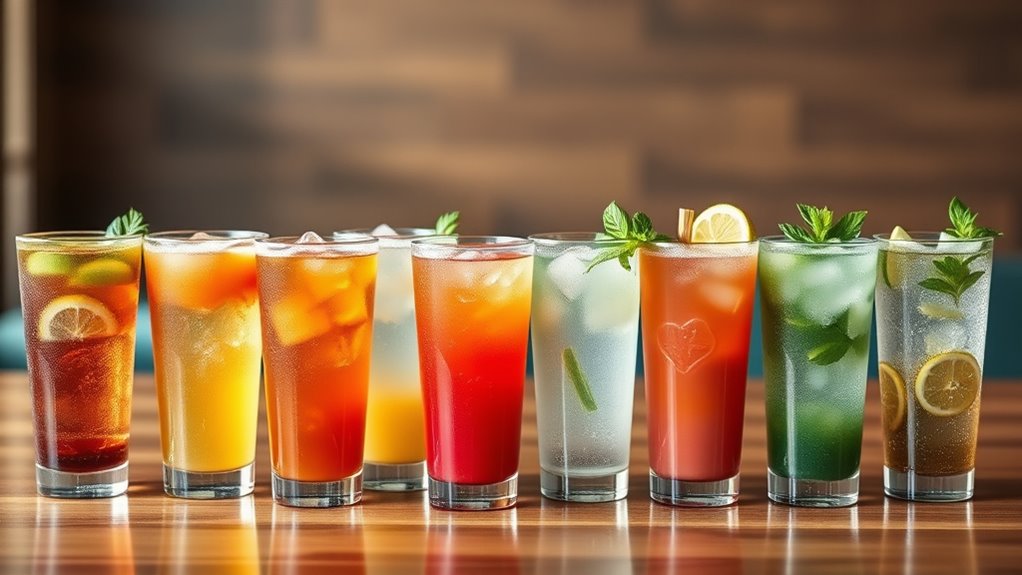
There’s a reason you reach for an ice-cold soda on a hot day, not a lukewarm one. It’s not just about temperature—cold drinks literally taste better. Science, your taste buds, and even your nose all have a say in this everyday mystery.
Picture this: You pop open a can of lemonade that’s been sitting in the sun. It’s flat, syrupy, and vaguely sad. Now imagine that same lemonade, icy cold, with condensation dripping down the glass. Which one makes you smile? Exactly.
Your Tongue is a Picky Roommate
Your taste buds are like that friend who only eats pizza at a specific temperature. Cold dulls some flavors, but it sharpens others. For sweet and bitter tastes, the chill actually reduces their intensity, making them smoother and less overwhelming.
Must Read
Think about beer. A warm, bitter IPA can feel like chewing on a grapefruit peel. But chilled? The bitterness takes a back seat, and you get the crisp, refreshing notes. That is your tongue doing you a favor.
It’s not just about bitterness. Sour and carbonated drinks hit differently when cold. The fizz feels sharper, more lively, like tiny celebrations on your tongue. Warm soda just feels flat and sad, like a deflated balloon.
Your Nose is the Real Star
Here’s the sneaky part: you taste with your nose. Aroma is about 80% of what we call “flavor.” Cold drinks release fewer volatile aromatic compounds into the air, so your nose gets a gentle, focused hit instead of a fog of smell.
Imagine biting into a ripe peach. Warm, it smells like a summer orchard. Cold, the peach still tastes peachy, but the aroma is quieter. For sweet drinks, this is a win—less sugar-smell, more refreshing zing.
Cola is a perfect example. Warm cola smells like cough syrup because the cinnamon and citrus aromas over-bloom. Cold cola? All that magic stays inside the bubbles, waiting for you to sip. Your nose gets the hint, not the whole lecture.
 Images Of Cold Drinks
The Carbonation Dance
Carbon dioxide loves the cold. Carbonation is more stable at low temperatures. This means those tiny bubbles stay in the liquid longer, giving you that satisfying, tingly pop with every swallow.
Warm a carbonated drink, and the CO₂ escapes faster. You get a few burps, then a flat, lifeless liquid. It’s like watching a party fizzle out before the music even starts. Nobody wants that.
Your mouth feels the bubbles on your tongue, and when they’re cold, they snap and dance. That tingle is a sign of life—a drink that’s still fighting to be delicious.
Why You Actually Care
Let’s be honest: you don’t need a science lecture to enjoy a cold drink. But knowing why it tastes better makes you appreciate that first sip more. It’s a little everyday magic you can count on.
Ever taken a swig of a drink that’s been sitting in the car for an hour? It’s like drinking regret. Cold drinks rescue you from that disappointment. They transform something ordinary into a moment of pure refreshment.
Think about iced coffee versus hot coffee in July. The hot coffee is great in winter, but on a summer morning, iced coffee is a hug from the inside. The cold cuts the bitterness of the coffee, making it smoother, almost creamy. Your morning ritual gets a joy upgrade.
 Images Of Cold Drinks
It’s a Party Trick for Your Brain
Your brain also plays along. Cold signals freshness. We’re wired to associate cold with safe, clean water from a mountain stream. Warm water makes us think of a puddle. Your brain says, “Yes, this is good.”
That’s why a cold drink on a hot day feels like a reward. It’s not just hydrating you; it’s cooling your brain. The temperature alone makes you feel like you’ve won something. And who doesn’t love winning?
Even your memories matter. We remember cold drinks as happy moments: soda at a birthday party, lemonade on the porch, a beer after mowing the lawn. That emotional layer makes the cold taste even better.
So, What’s the Secret?
The next time someone hands you a warm soda, don’t suffer through it. Drop it in ice, or stick it in the fridge for fifteen minutes. That small wait will reward you with a drink that actually tastes like it was meant to be drunk.
You don’t need to be a food scientist. Just remember: cold = crisp, fresh, and alive. Warm = flat, sad, and apologetic. Your taste buds have spoken, and they vote for cold.
Go ahead—pour yourself a cold drink. You know it tastes better. And now you know why. Sip on that little piece of everyday science, and smile.
