Does Chlorine Boil Out Of Water

Imagine this: you fill a glass of water from the tap, and that faint poolside scent hits your nose. It’s a familiar, almost nostalgic whiff—but not one you necessarily want in...

Imagine this: you fill a glass of water from the tap, and that faint poolside scent hits your nose. It’s a familiar, almost nostalgic whiff—but not one you necessarily want in your morning hydration ritual. The culprit, of course, is chlorine, the chemical knight that keeps our drinking water free from bacteria and viruses. But here’s the question that floats around every mindful sipper: does chlorine actually boil out of water, or are we just making hot, sterile tea?
The short answer is a satisfying yes—chlorine does boil out of water, and it does so with surprising efficiency. Chlorine is a volatile gas dissolved in your H2O, meaning it’s just waiting for an excuse to escape into the air. When you crank up the heat, you’re basically giving it a first-class ticket out of the pot.
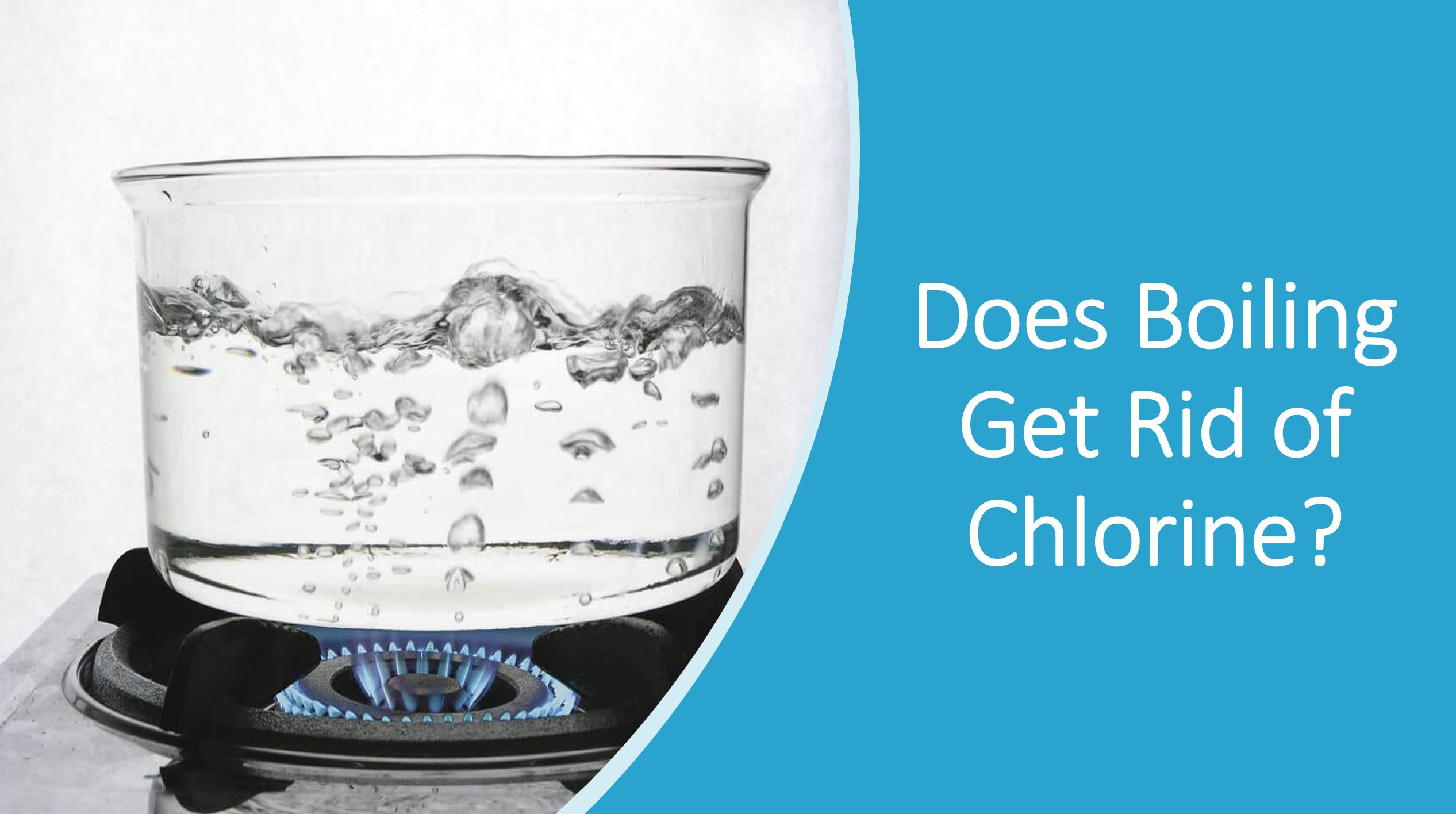
But the how and how fast are where the magic—and a little science—come into play. Think of the boiling process like a gentle purge: as water bubbles and steams, the chlorine molecules break free and rise away. For most typical tap water, within one to two minutes of a rolling boil, the vast majority of chlorine has evaporated.
Must Read
Of course, patience is a virtue here. If you’re boiling for pasta, your chlorine problem is solved before the noodles hit the water. But if you’re just trying to dechlorinate a pitcher for your houseplants or your morning smoothie, a quick boil beats waiting around for hours.
Science with a Side of Nostalgia
Remember those Back to the Future scenes where Doc Brown talks about flux capacitors? Boiling chlorine out of water is far less cinematic but just as satisfyingly predictable. The process relies on something called Henry’s Law: basically, the amount of gas dissolved in a liquid is proportional to its pressure and temperature. Heat the liquid, and the gas says, “Peace out,” and floats away.
This is also why a good simmer works almost as well as a furious boil. You don’t need a violent rolling chaos—just sustained heat. For the ultimate efficiency, leave the pot uncovered. A lid traps the steam—and the chlorine—forcing it to condense back into the water. Cover your pot, and you’re basically recycling that pool smell.
Fun fact: this volatile escape is the same reason why hot showers produce that “chlorine shower head” aroma. The steam from your morning rinse is doing the work, just without the pasta.
Practical Tips for the Everyday Dechlorinator
You don’t need a lab coat or a subscription to a water-testing newsletter. Here are three ways to put this knowledge to use right in your own kitchen. First, boil for one to three minutes uncovered, then let the water cool naturally—you’ll taste the difference immediately, especially if you’re making tea or coffee where chlorine’s metallic notes can ruin the brew.
 What Chemical Removes Chlorine From Water at Diane Rearick blog
Second, if boiling feels too energy-intensive, try the countertop shortcut: fill a pitcher and let it sit uncovered for about 24 hours. Room temperature works, and sunlight speeds it up (a trick aquarists use for fish tanks). This method won’t remove chloramine, though—a longer-lasting disinfectant some water systems use—but it handles free chlorine beautifully.
Third, always let the water cool before using it on sensitive plants or your fish tank. Pouring boiling water into a goldfish bowl is a plot twist no one wants. Your finned friends prefer dechlorinated water at room temp—trust us, they can’t text you their complaints, but they’ll definitely float them.
Cultural Blips and Poolside Parallels
This isn’t just chemistry—it’s culture. From the endless debates on Reddit’s r/Homebrewing about boiling off chlorine for a crisp IPA, to your grandmother insisting that “a good boil de-funks everything,” the idea of heat as a purifier is deeply embedded. Even Marie Kondo would approve: boiling your water sparks joy by removing the things that don’t spark it.
Think about the iconic scene in Breaking Bad where Walter White uses precise chemistry to manipulate outcomes. Boiling chlorine is the safe, legal cousin of that—a simple manipulation of matter to improve your everyday life. You don’t need a hazmat suit; just a kettle and five minutes.
And let’s not forget the global obsession with filtered water. Brita pitchers, countertop distillers, and $60 water bottles all point to one thing: we’re thirsty for something cleaner. But boiling is the original, low-tech filter, and it’s shockingly effective for volatile compounds like chlorine.
 How To Boil Water To Remove Chlorine
What About Chloramine? The Overlooked Cousin
Here’s where we get a little more nuanced. Many municipal water systems now use chloramine (a combo of chlorine and ammonia) because it lasts longer in pipes. And here’s the kicker: chloramine does not boil out easily. You’d need to boil for over 20 minutes to make a dent, which is more energy than your Netflix binge deserves.
If you know your water company uses chloramine—often listed in your annual water quality report—then boiling alone won’t cut it. You’d need a specialized carbon filter or chemical neutralizers like vitamin C powder (yes, that’s a real thing, and it’s used by aquarium enthusiasts). Check your local water report—it’s a surprisingly fascinating read, like a yearbook for your tap.
A Reflection for Your Everyday Glass
So, does chlorine boil out of water? Absolutely—but only if you give it the stage and the heat. It’s a reminder that sometimes the simplest solutions are hiding in plain sight, right on your stove. You don’t need a lab or a fancy gadget to improve the taste and feel of your water; you just need a pot, a stove, and a little patience.
Next time you fill that kettle, take a moment to appreciate the invisible dance happening inside. Chlorine molecules fleeing like tiny swimmers from a hot tub, leaving you with something clearer, purer, and more peaceful. It’s a small ritual of control in a world that often feels un-boilable.
And if you ever forget the science? Just smell the steam. That faint, clean air is your proof. Boil it, breathe it, drink it—you’ve earned that glass of simple, chlorine-free goodness.
