Does Hard Water Cause Oily Hair

So, picture this: I’m at my friend Sarah’s place last week, and she’s frantically Googling “why does my hair look greasy after *every* wash.” She’s got these beautiful, fine s...
So, picture this: I’m at my friend Sarah’s place last week, and she’s frantically Googling “why does my hair look greasy after every wash.” She’s got these beautiful, fine strands, but they’re clinging to her scalp like pancake batter. “I just washed it!” she wails, pointing at her shiny, but not in a good way, roots. I took a sip of her tap water, and boom—it hit me. That water tasted like a rock quarry smelled. And that’s when I realized: we had a hard water situation on our hands.
Now, before you panic and start stockpiling bottled water for your shampoo sessions, let’s break this down. You’re probably wondering, does hard water cause oily hair? The short answer? Yes, but it’s a sneaky kind of oily. It’s not your scalp throwing a tantrum—it’s the minerals in your water playing dirty tricks. Let’s get into the science, minus the boring lab coat stuff.
The mineral mosh pit in your shower
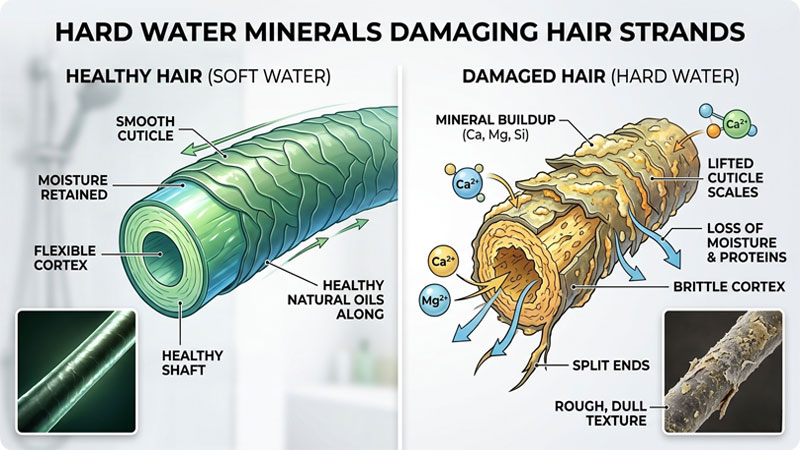
Hard water is basically water that’s packed with calcium and magnesium. Think of it as a mineral cocktail you didn’t order. When you wash your hair, these minerals latch onto your strands like clingy exes. They react with your shampoo (especially the sulfate-y kinds) and form a soap scum layer. Gross, right? That scum doesn’t rinse off easily, so it sits on your hair, making it feel waxy and look dishwater-dull.
Must Read
Here’s where the irony kicks in. You’re shampooing to remove oil, but the hard water creates a barrier that traps oil against your scalp. So you wash, and your hair feels heavy and greasy faster than it should. It’s like your shower is sabotaging your fresh-start feeling. And the more you wash to “fix” it, the more your scalp freaks out and overproduces oil. Vicious cycle, right?
But wait—is it really oily, or just a film?
Here’s the trick: sometimes what feels like oil is actually mineral buildup. Grab a clean strand and rub it between your fingers. Does it feel sticky or weirdly crunchy? If it’s sticky, it might be oil. If it’s kinda rough, that’s the calcium crust talking. People with fine hair are especially prone to this—the weight of the minerals smashes their limp locks into greasy oblivion. Thick hair? You might get away with it longer, but the buildup will still make your hair feel icky after a few days.
You know that moment when you use a clarifying shampoo and your hair suddenly feels lighter? That’s because you just nuked the mineral film. But regular shampoo? It’s like trying to clean a greasy pan with a dry paper towel—it just smears the gunk around. Hard water is the uninvited guest that keeps the party going on your scalp, long after you’ve tried to end it.
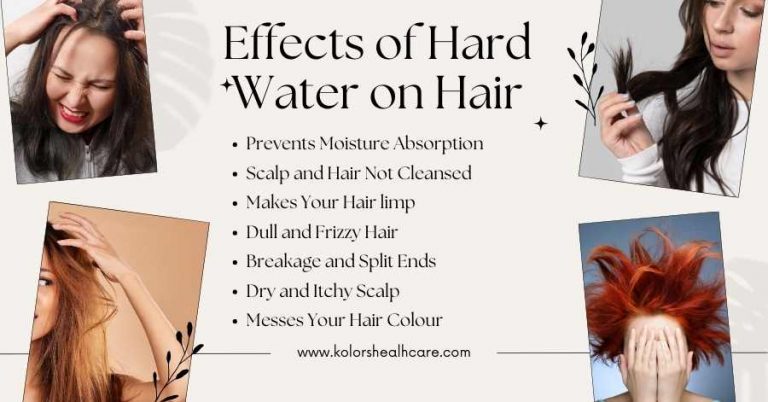 Effects of Hard Water on Hair: Causes, Effect, Prevention - Kolors
Are you making it worse without knowing it?
Okay, let’s get real for a hot second. Are you using a sulfate-heavy shampoo because it foams up so satisfyingly? Bad news: sulfates love hard water. They react and create that scum I mentioned. And are you skipping conditioner because you’re scared of added oil? Don’t. Conditioner actually helps seal the cuticle against mineral invasion. You’re literally fighting the enemy with no armor if you skip it.
Also, heat styling. I know, I know—your blow dryer is your best friend. But hard water minerals get baked into your hair when you apply heat. It’s like sealing a crime scene in place. That greasy look after a fresh blowout? Not your scalp’s fault—it’s the minerals caramelizing on your strands. Gross visual, sorry, but true.
What can you actually do about it?
First, stop blaming your shampoo. You can switch to a chelating shampoo once a week. That’s a fancy term for a shampoo with ingredients like EDTA that bind to minerals and flush them out. Use it, and be amazed at how your hair feels empty—but in a good way. No, it won’t strip your color if you choose a gentle one. Your regular shampoo won’t cut it, sorry.
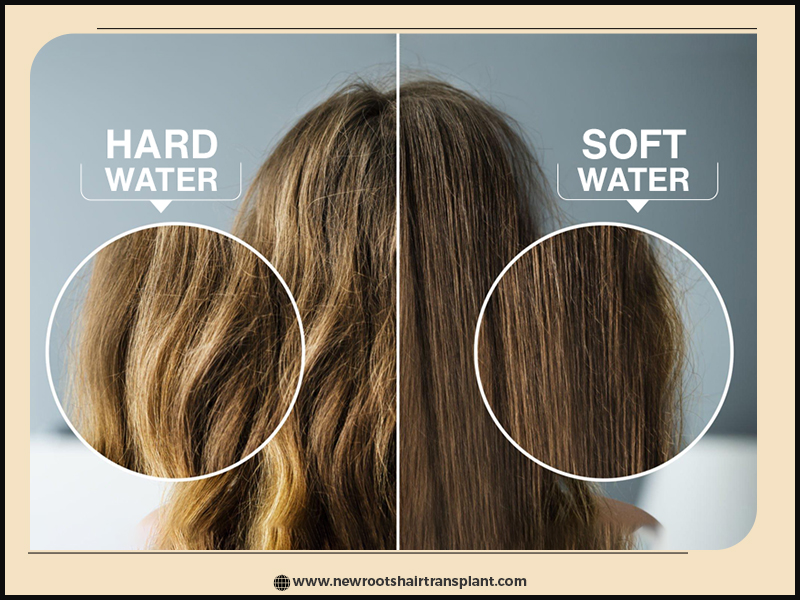 Is Hard Water Bad For Natural Hair at Jennifer Dermody blog
Second, try a hard water filter for your shower head. They’re like $30 on Amazon and screw on in two minutes. It won’t turn your water into pure mountain spring, but it’ll cut the mineral load. Your skin will thank you too. And if you’re cheap like me, do an apple cider vinegar rinse once a month. Mix one tablespoon with a cup of water, pour it on after shampooing, wait two minutes, rinse. The acidity dissolves the mineral film. Smell—vinegary for ten minutes, then gone.
The verdict: it’s a conspiracy of minerals
So, does hard water cause oily hair? Not directly, but it creates the perfect conditions for looking like you haven’t showered in three days. It’s the accomplice, not the mastermind. The real villain is the calcium-magnesium duo that refuses to leave your strands alone. But now you’re armed. You know your enemy, you have a game plan, and you can finally tell your friend Sarah to stop blaming her scalp.
Go forth, wash your hair, and remember: if it feels greasy, it might be a lie. Your hair is probably clean—it’s just wearing a mineral jacket. You got this.
