Why Does Spring Water Taste Bad

You’ve just taken a triumphant sip from a natural spring, feeling all fancy and connected to the earth. But instead of pure, crisp perfection, your mouth is hit with a flavor...
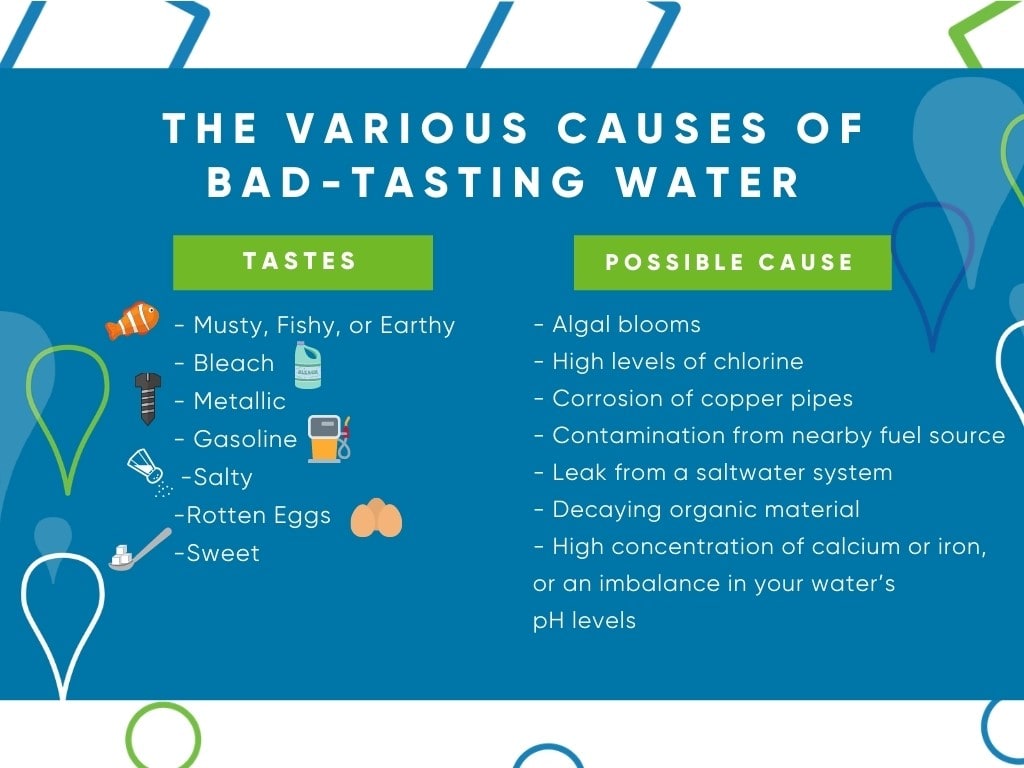
You’ve just taken a triumphant sip from a natural spring, feeling all fancy and connected to the earth. But instead of pure, crisp perfection, your mouth is hit with a flavor that’s… well, weird. It might taste metallic, earthy, or even a little sulfurous—like someone dropped a rock in your glass.
So, why does spring water taste bad? Isn’t it supposed to be the ultimate, purest water on the planet? The answer is a fascinating little journey into geology, chemistry, and a dash of biology.
The Rock is the Chef
Think of the spring as a slow cooker. As rainwater seeps through the ground, it takes a long, lazy trip through layers of rock and soil. It doesn’t just pass through—it soaks up minerals along the way.
Must Read
That metallic taste you get? That’s often iron and manganese. These minerals are perfectly natural, but they can turn your water into a tin can flavor bomb. It’s like licking a rusty nail, but in a surprisingly organic way.
If you taste something more like the ocean, you’re getting a dose of sodium and calcium. Hard water, with high mineral content, can feel “chalky” or “full.” It’s not bad for you—it’s just busy water.
That Eggy Surprise
Ever crack open a bottle and get a whiff of rotten eggs? That’s a classic spring water trick. The culprit is hydrogen sulfide gas, which forms when organic matter decomposes deep underground.
Before you panic, know this: a little hydrogen sulfide is totally natural and not harmful in small amounts. The water is just bubbling up from ancient swamps or volcanic rock. It’s like the earth’s version of a stinky cheese—an acquired taste.
 Purified Water Vs Spring Water
Some people actually seek this out! There are famous springs in Europe and Japan known for their “medicinal” eggy flavor. Your tongue might rebel, but your ancestors probably loved it.
The Biology of the Brook
Spring water isn’t sterile. It’s alive with bacteria and microbes. But don’t freak out—most of these are harmless or even beneficial. They’re just teeny-tiny living flavor artists.
These microbes can create a musty or earthy taste, especially if the spring has a lot of leaves or soil in its path. It’s like taking a bite of a forest floor—in a good way, if you’re into that.
If the water tastes sour or sharp, it might have a low pH. That means it’s slightly acidic, picking up carbon dioxide from the ground. It’s basically natural seltzer, but without the bubbles.
Your Own Taste Buds Are the Problem
Here’s the real kicker: you’re the weirdo. Your taste buds evolved to love sweet, salty, and umami—not mineral-rich groundwater. Spring water is an acquired palate because it’s closer to the earth’s raw ingredients.
 Taste and Smell of Water Explained - YouTube
Compare it to wine or coffee. At first, black coffee tastes bitter and wine tastes like sour grapes. But over time, you learn to love the notes of chalk, iron, and soil. Spring water is the same game.
In fact, the water you buy in a plastic bottle is usually engineered to taste of nothing. It’s filtered, stripped, and treated until it’s neutral. Spring water is the rebellious cousin who refuses to play nice.
The Cool Factor
So, bad-tasting spring water is actually a good sign. It means the water hasn’t been processed to death. It’s a direct pipeline to the geology of the region—a liquid postcard from underground.
Next time you sip from a spring and grimace, don’t spit it out. Ask yourself: Is this iron from ancient volcanic rock? Is that sulfur hinting at a buried swamp? Is this chalk a gift from a limestone mountain?
Your tongue is just a tourist in a strange new world. And honestly, isn’t a little weirdness more interesting than boring old tap water? Give it another try—you might just acquire the taste of the planet itself.
