How Long Does Stored Water Last

You know that jug of water in the back of your pantry? The one you bought during a panic about a snowstorm that never came? Yeah, that one. We’ve all been there, staring at a...
You know that jug of water in the back of your pantry? The one you bought during a panic about a snowstorm that never came? Yeah, that one.
We’ve all been there, staring at a dusty bottle and wondering, “Is this still okay, or am I about to drink a science experiment?” The answer, like most things in life, is a solid “it depends.”
The Shelf Life of a Water Bottle (Spoiler: It’s Not the Water)
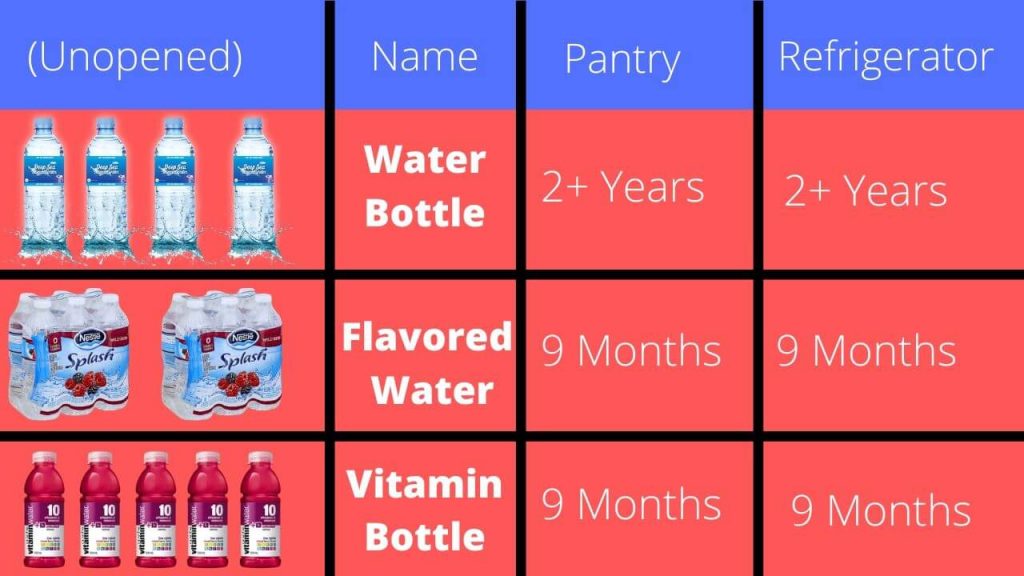
Here’s the funny thing: water itself does not go bad. H2O is a tiny, tough molecule. It doesn’t suddenly decide to expire on a Tuesday afternoon.
Must Read
The real culprit is the container. Plastic bottles, especially those flimsy store-bought ones, start to degrade over time. Heat makes it worse, like leaving a chocolate bar in a hot car—things get messy.
Eventually, chemicals from the plastic can leach into the water, giving it that weird, “plasticky” taste. It won’t kill you, but it’s not exactly refreshing. Think of it as the water version of a stale cracker.
Tap Water in a Jug: The Home-Front Situation
If you filled a clean, glass carafe or a stainless steel bottle from your sink, you’re in good shape. Stored in a cool, dark place, that tap water lasts about six months before you might want to swap it out.
Why six months? Because even in a clean jar, tiny microbes from the air can sneak in. They’re not dangerous—just polite little party crashers that change the taste.
It’s like leaving a cup of coffee on your nightstand overnight. You could drink it in the morning, but you’ll probably regret it. Same vibe.
Emergency Water Storage: The “Prepper” Corner
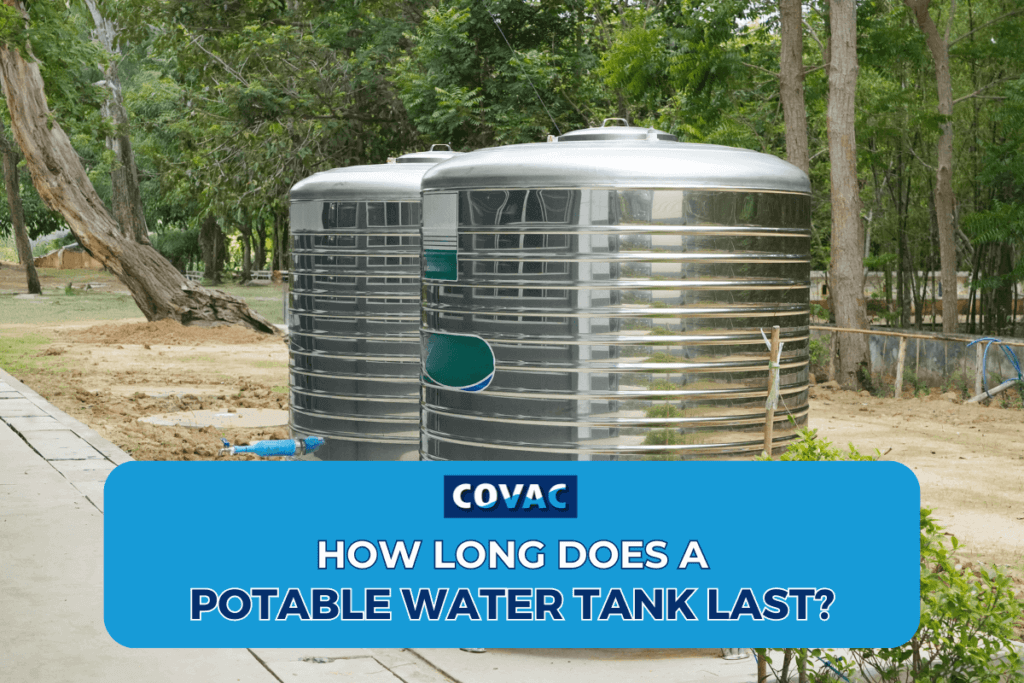
Those big, blue, heavy-duty storage containers you see in survival blogs? Those are a different beast. They’re designed to sit in your basement for two to five years without issue.
 How Long Does Bottled Water Last - Decoding the Expiration Dates
The trick is rotation. Write the date on the side with a sharpie, and then every year or so, use that water for your plants or to flush your toilet, then refill it. It’s like a water subscription box, but free.
I once found a five-year-old bottle of store-bought water under my car seat. I smelled it. It smelled like “regret” and “I should have cleaned my car.” I did not drink it.
The Taste Test: Your Own Personal Sommelier
Let’s be real: the biggest sign that water has gone “off” is the taste. If it tastes like a swimming pool, that’s chlorine off-gassing. If it tastes like cardboard, that’s plastic leaching.
Your nose is your best friend here. Give it a sniff. If your brain says, “Hmm, this is a bit frisky,” trust it. You are not a Victorian-era sailor desperate for fresh water.
A good rule of thumb: If you wouldn’t pour it into a glass for a guest, don’t drink it yourself. Your taste buds are a reliable guide, not a fussy diva.
How to Make It Last Longer (and Not Feel Like a Scientist)
First, store it in the dark. Sunlight is the enemy of water storage. It encourages algae growth (yep, little green critters) and degrades plastic faster. Think of your water as a vampire—it hates the sun.
 How Long Does Bottled Water Last - Decoding the Expiration Dates
Second, keep it cool. A cool, dark closet beats a hot garage every time. Hot water is basically a petri dish with gym equipment vibes.
Third, use airtight containers. A loose cap lets in dust, bugs, and the weird smells from your kitchen. Nobody wants water that smells like last night’s curry.
The “You’re Overthinking This” Section
Look, unless you’re storing water for a doomsday bunker or a week-long hike, you really don’t need to stress. Just change it out every six months and you’ll be fine.
I once drank water from a Nalgene bottle I’d left in my gym bag for three months. It was warm, tasted faintly of sweat, and I lived to tell the tale. Not recommended, but not fatal.
The moral of the story? Water is tough, but your taste buds are not. Stock up, date your bottles, and when in doubt, pour it on the garden. Your tomatoes won’t complain—they don’t know any better.
And if you ever find yourself staring at a gallon jug from 2019, just remember: that water has seen things. It’s best to let it go. Buy a fresh one. Your future self (and your dignity) will thank you.
