Does Boiled Water Kill Bacteria

It’s a question so basic it feels almost silly to ask: does boiled water actually kill bacteria? We’ve all done it—waiting for that kettle to click off, pouring the hot water...
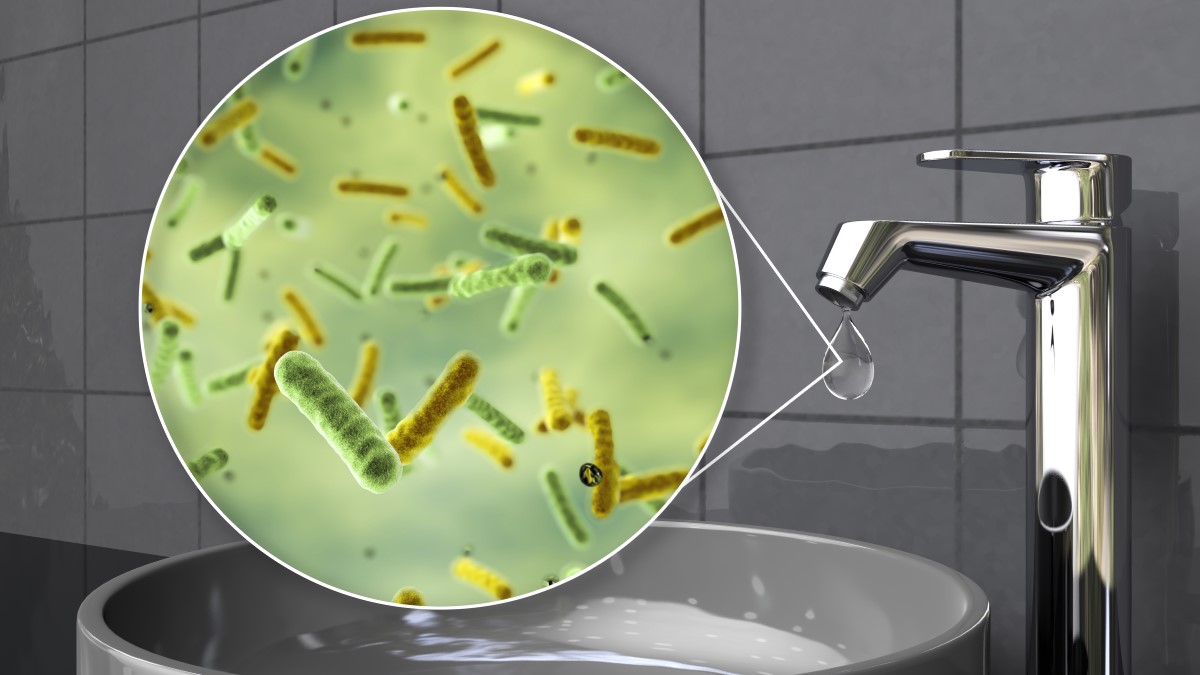
It’s a question so basic it feels almost silly to ask: does boiled water actually kill bacteria? We’ve all done it—waiting for that kettle to click off, pouring the hot water over tea leaves or into a camping canteen, fully trusting the process. The short answer is a confident, science-backed yes. But the long answer is where the fun (and the practical kitchen magic) really begins.
The Science of the Simmer
When water hits 212°F (100°C) at sea level, you’re essentially throwing a bacterial rave and then setting the building on fire. Most common pathogens—like E. coli, Salmonella, and Giardia—can’t survive that kind of heat for more than a minute. Their cell walls literally cook, their proteins denature, and that’s it: curtains.
The magic number is rolling boil, not just a few bubbles. A gentle simmer might get you to 180°F, which can stun bacteria but won’t reliably kill them. The World Health Organization recommends a vigorous, one-minute boil for clear water, and three minutes if you’re at high altitude (where water boils at a lower temperature).
Must Read
Think of it as a very efficient, very old-school disinfectant. No fancy filters, no UV lights—just heat and time. That’s a technology humans have trusted for thousands of years, from the Han Dynasty making tea to modern backpackers boiling stream water in titanium pots.
But Wait—Does It Kill Everything?
Here’s where we add a little nuance. Boiling is fantastic against bacteria, viruses, and protozoa. That covers 99% of the nasty stuff you’d find in a questionable tap or a mountain stream. But it doesn’t do much for chemical pollutants like lead, pesticides, or microplastics. Those are heat-stable little monsters.
So while a boil makes the water microbiologically safe, it won’t turn contaminated city water into mountain spring water. If you’re worried about heavy metals, you’ll need a proper filter or a distiller. But for the vast majority of outdoor and emergency scenarios, a good boil is your golden ticket.
Also, a quick reality check: spores from certain bacteria (like Clostridium botulinum) can survive boiling. They’re not active in the water itself, but they lurk in soil and dust. It’s rare, and not something to lose sleep over unless you’re storing water for months in a bunker.
Cultural Boil-ography
Every culture has its own boiling wisdom. In the UK, the “proper cup of tea” demands water boiled to a rolling boil—no half-measures. In India, kadak chai is never made with lukewarm water; it’s an all-out boil designed to make the spices sing. In the US, the classic camping mantra is “boil it, filter it, or forget it.”
 Does Boiling Water in Electric Kettle Kill Bacteria - Kitchen Zoes
Travel tip: In countries where tap water isn’t potable, locals often keep a kettle on the stove all day. It’s not just for coffee—it’s a low-tech life hack. And here’s a fun fact: Captain Cook forced his sailors to boil water for their grog, accidentally preventing scurvy and dysentery. History’s first accidental health influencer.
Practical Tips for the Modern Boiler
Let’s get tactile. If you’re boiling water for drinking, here’s the no-sweat guide: bring it to a full, rolling boil that looks like a mini-volcano. Let it go for at least one minute (three if you’re above 6,500 feet). Then let it cool naturally—don’t try to speed it with ice cubes, since those might reintroduce bacteria.
For flavor, let the boiled water sit in a clean, covered container for a few minutes. Hot water picks up more metallic taste from old pipes. A pinch of salt or a squeeze of lemon can also mask any flatness. And yes, pour an inch between cups to aerate it—that’s a tea master’s trick.
One more thing: don’t re-boil water repeatedly. It doesn’t “concentrate” toxins in a scary way, but it does make the water taste flat and stale because dissolved oxygen escapes. For daily use, boil only what you need. For emergencies, boil a big batch and store it in a clean glass jar.
The Myth of “Dead” Water
You’ll occasionally hear that boiled water is “dead” water, stripped of minerals. That’s almost a myth. Boiling does remove some dissolved gases, but the essential minerals—calcium, magnesium, potassium—stay right there. You won’t lose electrolytes. The only thing you’re losing is the risk of a nasty stomach bug.
 Does Boiling Tap Water Purify It? What Boiling Really Removes—and What
Think of it this way: a cup of boiled water is like a reset button. It’s not magical, but it’s remarkably reliable. If you’re in doubt—boil it. If you’re in a rush—boil it anyway. It’s the lazy person’s purification system, and it’s been working since fire was a hot new invention.
When You Really Don’t Need to Boil
Of course, modern tap water in most developed countries is already treated with chlorine or UV. Boiling it for daily drinking is overkill, and a waste of energy. But if you’re filling a baby’s bottle, have a weak immune system, or notice a “boil water” advisory, don’t hesitate. Boil that tap water like it’s 1899.
Also, if you’re making kombucha or sourdough starter? Don’t use boiled water while it’s hot, it will kill the good bacteria you’re trying to cultivate. Let it cool to room temperature first. The same goes for fish tanks—never pour boiling water in, even if it’s to dechlorinate. Your goldfish will thank you.
Reflection: The Quiet Certainty of a Good Boil
There’s something deeply comforting about hearing a kettle roar. It’s a sound of safety, of ritual, of the simplest form of human problem-solving. You don’t need a lab coat to know that water, when boiled, becomes a blank slate—free of the microscopic chaos it once carried.
In a world full of complicated filters and fancy gadgets, a boiling kettle is a modest hero. It reminds us that sometimes the oldest solutions are still the best. So next time you wait for that steam to rise, enjoy the pause. You’re not just making tea; you’re repeating a practice that has kept us alive, healthy, and caffeinated for centuries. That’s something worth sipping slowly.
