How Long Does Regeneration Take

We live in an age of instant gratification. We want our coffee in thirty seconds, our shows in ten-second clips, and our overnight shipping to feel like teleportation. Yet, yo...
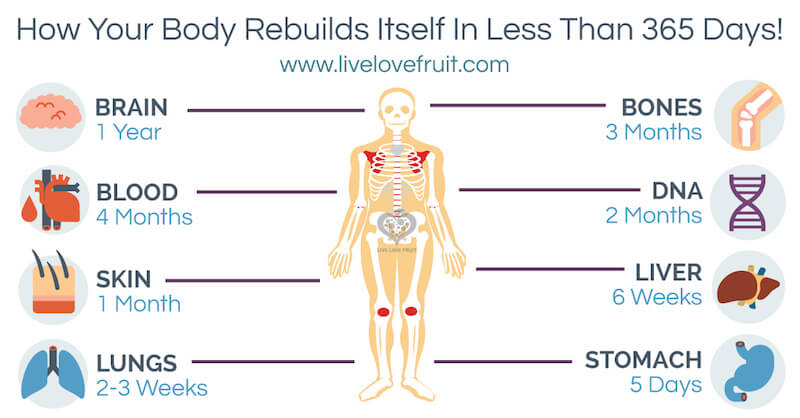
We live in an age of instant gratification. We want our coffee in thirty seconds, our shows in ten-second clips, and our overnight shipping to feel like teleportation. Yet, your body operates on a completely different clock.
It’s a clock governed by ancient biology, not Wi-Fi speed. Regeneration—the process of healing, rebuilding, and resetting—is the ultimate slow-living trend.
But how long does it actually take? The answer is delightfully complex, because you are a walking, talking science project.
Must Read
The Skin Deep Truth (Literally)
Let’s start with the most visible organ: your skin. A paper cut, the uninvited guest of every late-night cooking session, heals in about 3 to 7 days.
That deep scratch from chasing your dog through a bush? That’s a different story. It can take 2 to 4 weeks for the new tissue to fully knit together without that weird pink scar.
Fun little fact: Your skin replaces itself entirely every 27 days. That means you’re essentially a new person every month—a great excuse to let go of last month’s drama.
The Bone Zone
Breaking a bone is a commitment. Unlike a bruise that fades in a week, a broken bone is signing you up for a 6 to 8 week minimum stay in the healing cast.
For a major break, like a femur or a tibia, expect a full 3 to 6 months before you can dance at a wedding without fear. The body builds a temporary “soft callus” first, then hardens it into bone.
Think of it as biological scaffolding—your body is a construction site, and the foreman is very, very detail-oriented. Patience is not just a virtue here; it is the only currency that works.
The Muscle & Gut Reset
Pulled a hamstring sprinting for the bus? Mild muscle tears need about 2 to 3 weeks of gentle care. A full muscle rupture? That’s a 3 to 6 month project involving physical therapy and a lot of Netflix binges.
Your gut lining, however, is the overachiever. It regenerates its entire surface every 2 to 3 days. You could eat a questionable street taco and have a brand-new intestinal wall by Thursday.
This is why the “reset diet” culture works, sort of. Give your gut 72 hours of clean food, and you genuinely feel different. Your body wants to reward you for good behavior.
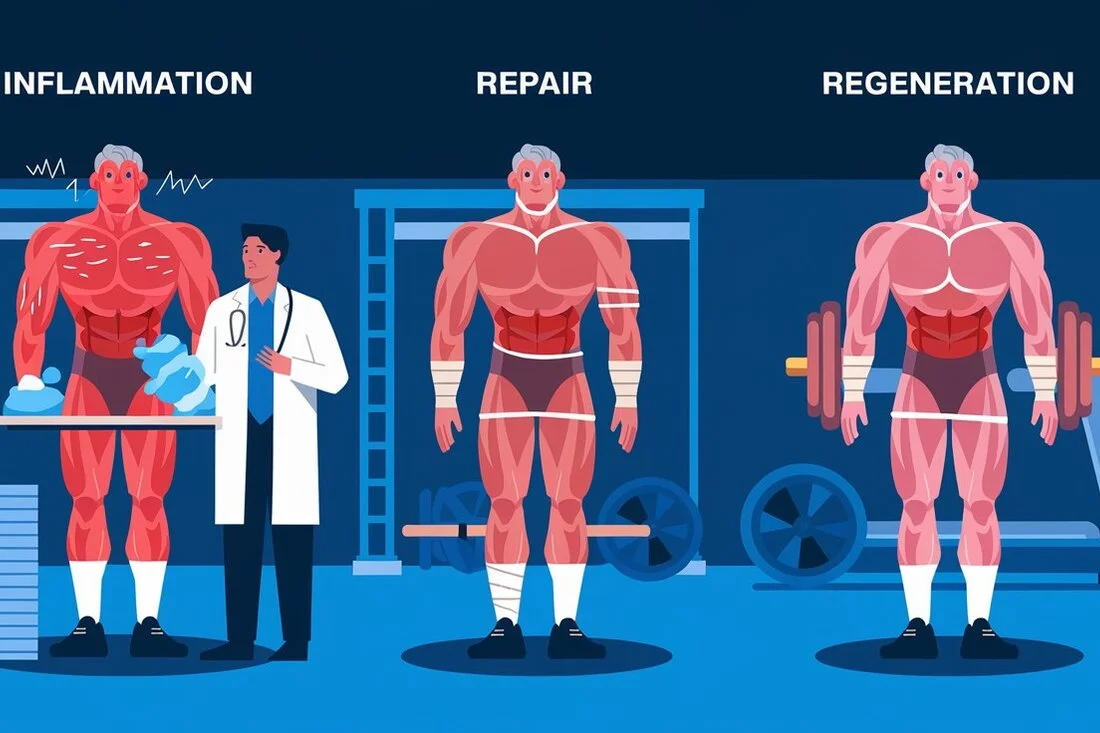 Achieve Optimal Muscle Recovery - A Step-By-Step Guide
Cultural References & The Slow Burn
Think of the Doctor Who episode where he regenerates in a flash of golden light. Misleading? Absolutely. Real regeneration is more like The Lord of the Rings extended edition—a lengthy, epic journey.
The Japanese concept of Wabi-sabi celebrates the beauty of imperfection and repair. Kintsugi, the art of mending broken pottery with gold, teaches us that the repair takes time, but the result is more valuable.
You are essentially a living Kintsugi project. Every scar, every healed muscle, is a golden line of experience.
Practical Tips for the Waiting Room
Sleep is non-negotiable. Your body releases human growth hormone (HGH) during deep sleep. That’s the master fuel for regeneration. Skipping sleep is like trying to charge your phone without plugging it in.
Hydrate like your life depends on it—because it literally does. Water transports the building blocks (proteins, minerals) to the repair site. Aim for that 2 liters a day minimum.
Don’t poke the wound. This is both a biological and a life lesson. Constantly checking the scab or stressing over the timeline slows the whole process down. Trust the process.
Eat protein and Vitamin C. Protein provides the bricks; Vitamin C helps cement them together. Think grilled chicken with a squeeze of lemon—basic, but effective.
The Neurological Surprise
Brain cells do regenerate. The old myth that you’re stuck with what you have is false. This process is called neurogenesis, and it happens in your hippocampus (the memory center).
It takes about 2 to 4 weeks for a new neuron to fully mature and connect. Learning a new language or playing an instrument literally grows your brain over a month.
That feeling of “fogginess” after a stressful period? Your brain is busy renovating. Give it time, and it will furnish itself with sharper thinking.
 The Timeframe for Liver Healing Revealed - Alis Behavioral Health
What About Emotional Regeneration?
This is the wild card. Science says that emotional trauma can tie up your nervous system for 6 to 18 weeks of consistent, conscious effort (therapy, journaling, meditation).
But the heart has its own schedule. Breakups and grief don’t follow a chart. The famous “heart heals in half the time of the relationship” rule is a myth—it’s more like a slow tide than a calendar date.
The best timeline for emotional regeneration is “when you stop counting.” That’s when you know it’s real.
Fun Fact: The Xenopus Frog
The Xenopus frog can regenerate its legs in 6 to 8 weeks. It does this by creating a “blastema,” a clump of undifferentiated cells that rebuilds the limb from scratch.
Humans have blastema potential, but only in our fingertips (children can regrow a fingertip tip if the wound is clean). Science is working hard to unlock this superpower for the rest of us.
Until then, we have to borrow the frog’s patience. They don’t rush. They just grow.
A Short Reflection for Your Daily Life
So, how long does regeneration take? Anywhere from three days to three months, depending on what you broke—body, bone, or heart.
The real answer is this: It takes exactly as long as it needs to. Not as long as your calendar wants, or your boss expects, or your ego demands.
Next time you’re nursing a wound, a sore muscle, or a tired spirit, remember you are not a factory. You are a garden. And gardens don’t grow on a deadline. They grow on a rhythm.
Give yourself the season. The fruit will come.
