What Chlorine Does To Your Body

Let’s be honest—most of us don’t think twice about the faint, sharp smell that hits you the second you walk into an indoor pool. It’s just the smell of “clean,” right? Well, n...
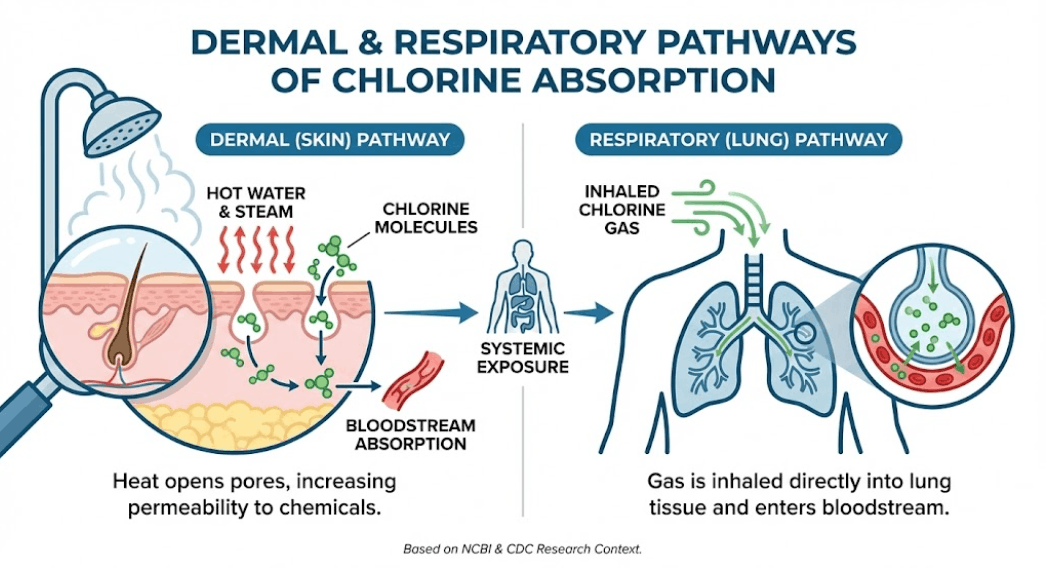
Let’s be honest—most of us don’t think twice about the faint, sharp smell that hits you the second you walk into an indoor pool. It’s just the smell of “clean,” right? Well, not exactly. That familiar scent is actually chlorine doing its job, but it’s also a little signal that your body is about to have a pretty wild chemical conversation.
First off, let’s give credit where it’s due. Chlorine is amazing at killing bacteria and viruses in swimming pools and drinking water. Without it, we’d be facing a lot more stomach bugs and skin infections. But here’s the thing: it’s a guest that overstays its welcome.
When you splash around in a chlorinated pool, that stuff doesn’t just sit on your skin. It gets absorbed, and it starts reacting with your own natural oils and sweat. Think of it like a grumpy chef who finds random ingredients in your pantry and starts mixing them—whether you like it or not.
Must Read
Your Skin: The Canary in the Coal Mine
Your skin is your body’s largest organ, and it’s also the first to throw a little tantrum around chlorine. Ever gotten out of the pool and felt that weird, squeaky-clean-but-also-tight feeling on your skin? That’s chlorine stripping away your natural protective oils. It’s like washing a cast-iron skillet with harsh soap—the seasoning just disappears.
For some people, that tightness turns into red, itchy patches. If you’re already prone to eczema or dry skin, chlorine can make you feel like you’ve been marinating in hand sanitizer. That’s because it breaks down the skin’s barrier, making it easier for moisture to escape and for irritants to sneak in.
Don’t worry, a good rinse with fresh water and a thick lotion afterwards can help you bounce back. Think of it as giving your skin a warm hug after a long day.
Your Eyes: The Classic Red Alert
We’ve all done it—opened your eyes underwater in a pool for just a split second, and then spent the next hour looking like you cried during a sad movie. That stinging, red-eye effect isn’t actually the chlorine itself. It’s what happens when chlorine meets pee and sweat in the water. Gross, but true. When those combine, they form compounds called chloramines.
Chloramines are like the grumpy older siblings of the chemical world. They float up into the air and irritate your eyes, your nose, and even your lungs. That “pool smell” you associate with cleanliness? It’s actually the smell of dirty water reacting with chlorine. A clean pool really shouldn’t smell strong at all.
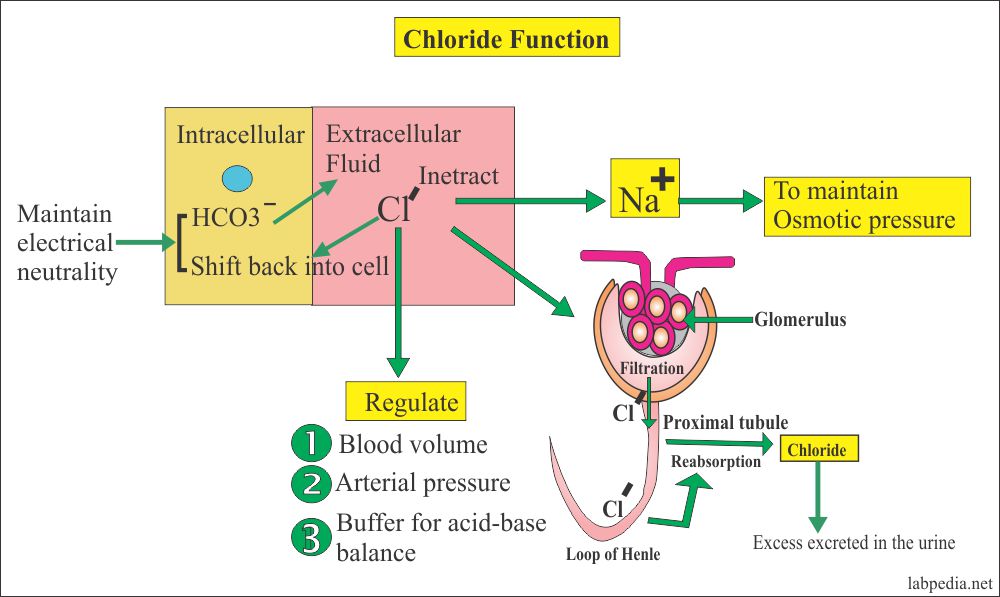 Normal Chlorine Levels Blood at Michael Robin blog
So the next time your eyes start stinging, remember: it’s not you, it’s the chemistry. And maybe wear goggles. Your future self will thank you.
Your Hair: A Bad Hair Day Writ Large
If you’ve ever wondered why your hair feels like straw after a swim, chlorine is the culprit. It oxidizes the proteins in your hair, lifting the cuticle and making it rough. For those of you with color-treated hair, it’s even worse. Chlorine can turn blonde hair green—not because it’s dyeing it, but because it grabs onto tiny copper particles in the water. It’s like your hair is throwing a little metal-themed party without your permission.
A quick tip: wet your hair with fresh water before you jump into the pool. Think of it like pre-soaking a sponge—it leaves less room for chlorinated water to soak in. And condition, condition, condition afterwards.
Your Lungs: The Invisible Inhaler
Here’s where things get a little serious. For most of us, breathing in chlorine fumes at a pool just means a minor cough or a stuffy nose. But for people with asthma or sensitive airways, it can trigger a real problem. Chloramine gases can irritate the delicate lining of your lungs, making breathing feel tight or scratchy.
Ever been in an indoor pool with poor ventilation and felt like you couldn’t take a deep breath? That’s your lungs trying to tell you something. Your body is basically saying, “Hey, let’s take this party outside.” Indoor pools need good air circulation, and so do you. If you feel that tightness, step out for fresh air—it’s not being dramatic.
 Chloride Levels: What High Results Mean
Professionals like lifeguards and swim coaches, who spend hours in chlorinated air, sometimes develop a condition called “swimmer’s lung.” That’s a real reminder that even a powerful disinfectant needs to be handled with respect.
Your Gut: What You Swallow Matters
Drinking water is treated with tiny amounts of chlorine to kill harmful germs. That’s generally safe and keeps you from getting sick from tap water. But if you accidentally swallow a few big gulps of pool water—and let’s be real, it happens to the best of us—your stomach may rebel. The high concentration of chlorine can irritate your stomach lining, leading to a bit of nausea or an upset tummy.
It’s usually not dangerous, just unpleasant. Think of it as your digestive system sending a strongly worded letter of complaint. The lesson? Keep your mouth closed when doing cannonballs. Your stomach will appreciate the courtesy.
So, Should You Worry?
Look, chlorine isn’t a villain. It’s a necessary tool that keeps our pools clean and our drinking water safe. But it’s not a gentle friend, either. The key is balance. Rinse off after swimming, moisturize, and give your hair some love. If you’re sensitive, choose pools with good ventilation—or go for a lake on your weekends off.
Your body is pretty amazing at bouncing back from small chemical mishaps. Just treat it with a little extra kindness after a chlorinated swim, and you’ll be fine. And if anyone gives you a hard time about smelling like a swimming pool? Just tell them you’re “chemically fortified.” It’s true, and it sounds much cooler.
