Does Soft Water Have Salt In It

Let’s get one thing straight right off the bat: yes, soft water does have salt in it—but not the kind you sprinkle on your fries! We’re talking about a tiny bit of sodium from...
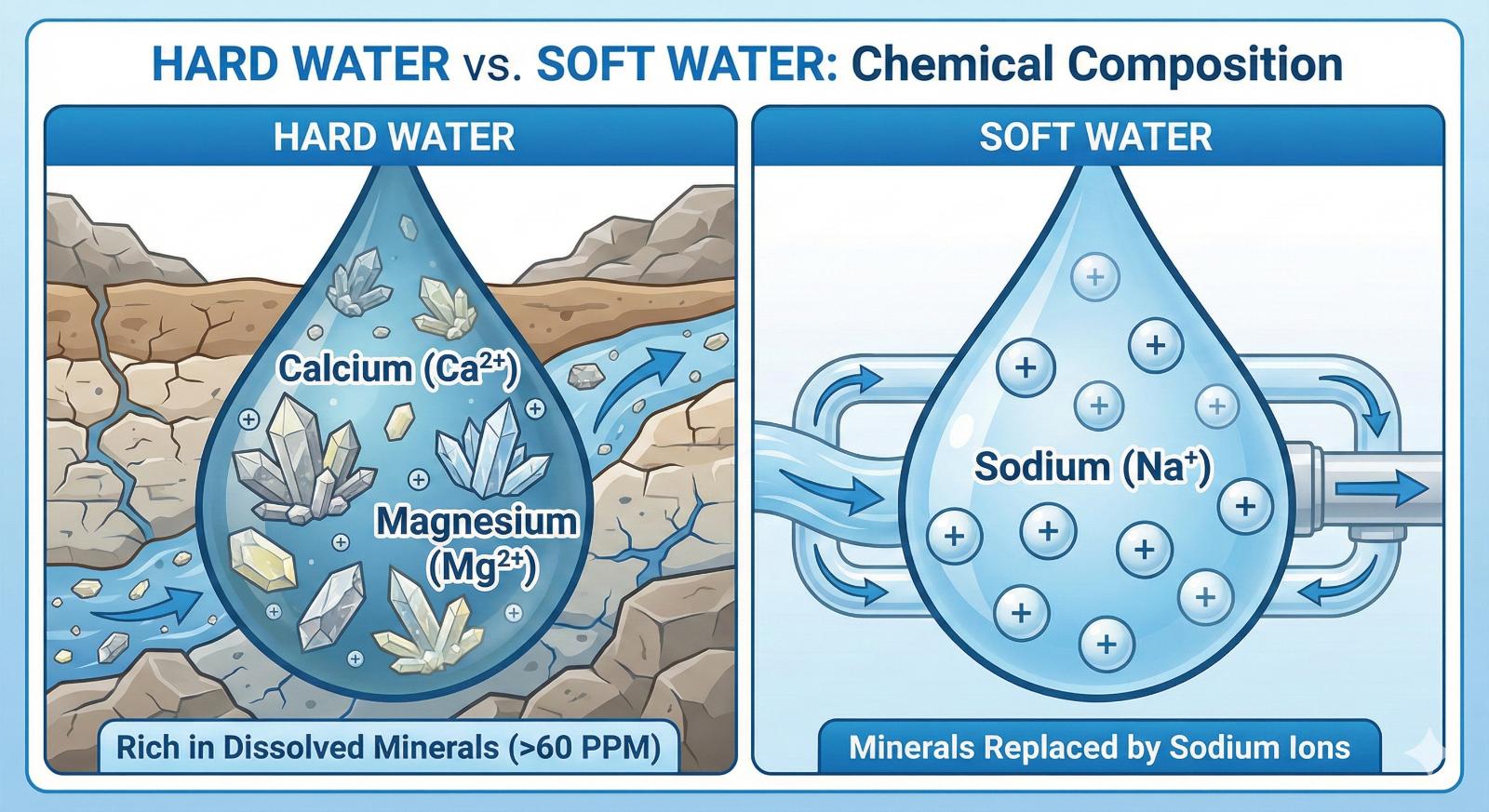
Let’s get one thing straight right off the bat: yes, soft water does have salt in it—but not the kind you sprinkle on your fries! We’re talking about a tiny bit of sodium from the water-softening process, not a briny ocean wave in your glass. Ready to dive into this slightly salty, surprisingly fun topic?
Wait, Salt in My Water? That Sounds Scary!
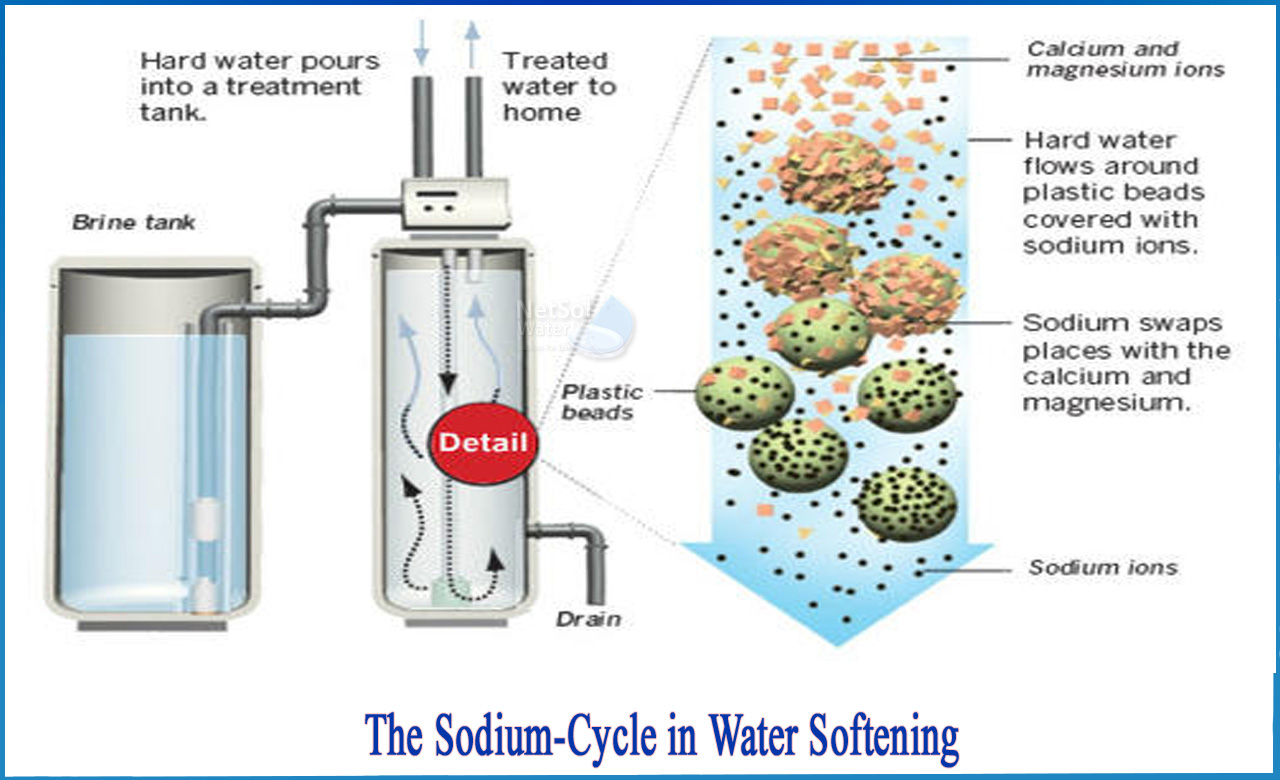
Hold on—don’t dump your water bottle just yet. The salt in soft water is sodium, not table salt (sodium chloride) overwhelming your tap. It comes from a process called ion exchange, where hard-water minerals like calcium and magnesium get swapped for a pinch of sodium.
Think of it like a friendly swap meet: hard minerals leave, and a tiny bit of sodium arrives. How much? Usually less than a teaspoon per glass—far less than what’s in a slice of bread or a bag of pretzels!
Must Read
But Doesn’t Soft Water Taste Salty?
Here’s the kicker: most people can’t taste the salt at all because the levels are so low. Your taste buds are way too busy noticing how silky your skin feels after a shower or how sparkly your dishes come out.
If you’re super sensitive to sodium (hello, blood pressure warriors!), you can install a reverse-osmosis system for your drinking tap. But for the rest of us, soft water is a luxurious upgrade, not a salty surprise.
Why This Makes Life More Fun (Seriously!)
Imagine this: no more scrubbing chalky white scale off your faucets, no more dingy laundry that feels like sandpaper, and your hair? Silkier than a cat’s ear. Soft water is like a spa day for your whole house, and all it asks for is a little sodium in return.
And here’s the really fun part: you can embrace the science. Tell your friends, “My water is basically a chemistry party where calcium got kicked out for sodium!” Watch their faces light up—or roll their eyes. Either way, you win.
 Can You Drink Softened Water? Facts, Myths & Health Insights!
But What About the Environment?
Good question! The salt used in softeners is sodium chloride or potassium chloride, and it’s biodegradable. Modern systems are super efficient, wasting far less water than older models. Plus, you’ll use less soap, detergent, and energy because soft water lathers like a dream.
That means fewer plastic bottles, less hot water wasted, and a happier planet. See? Being a water nerd is actually eco-friendly!
So, Should You Care About the Salt?
Only if you’re a health warrior or a taste purist. For the rest of us, the tiny sodium level is nothing to lose sleep over. It’s like worrying about the one grain of salt that falls off your pretzel—pointless and a little ridiculous.
Instead, focus on what you gain: softer skin, shinier hair, cleaner dishes, and that satisfying squeak when you wash your hands. Honestly, it’s one of life’s underrated joys.
 What Chemicals Are Used To Soften Water? – OONZ
Your Next Party Trick (You’re Welcome)
Next time someone asks, “Does soft water have salt in it?” you can say, “Yep, but it’s the good kind—like a tiny chemistry assistant that makes everything better!” Bonus points if you explain the ion exchange with a dramatic hand gesture.
And if you’re still thirsty for more weird water facts? Go test your tap with a hardness strip. I promise you’ll look at your faucet with new, sparkling eyes.
Here’s Your Uplifting Note
Life is full of big mysteries—like why socks disappear or why toast always lands butter-side down. But the curious case of soft water and salt? It’s beautifully simple. A little science, a little salt, and a whole lot of comfort.
So go ahead, pour yourself a glass of soft water, and smile. You just learned something that makes your home cleaner, your showers cozier, and your world a tiny bit more magical. Keep asking questions like this, and you’ll turn every everyday thing into an adventure. Cheers to that!
