How Does Nitrate Get Into Water

So, you’re sipping a glass of water, and a random thought pops in: “Wait, how does nitrate even get in here?” It sounds like a chemistry pop quiz, right? Don’t worry, I promis...

So, you’re sipping a glass of water, and a random thought pops in: “Wait, how does nitrate even get in here?” It sounds like a chemistry pop quiz, right? Don’t worry, I promise this is way more fun than high school science—and it might just change how you look at your garden, your lawn, and even that leftover sandwich.
The Secret Life of Nitrogen (It’s Everywhere!)
Let’s start with the good stuff. Nitrogen is the life of the party for plants. It’s the key ingredient in proteins and DNA, and the air we breathe is 78% nitrogen gas. But plants can’t use that gas directly—they need it “fixed” into a form called nitrate (NO3-). Think of nitrate as a plant’s favorite energy drink.
So, nature has a system: lightning zaps the air, soil bacteria get busy, and decomposing leaves release nitrogen. That’s the natural way nitrate sneaks into water—a tiny, slow leak. Cute, right?
Must Read
Where It Gets Interesting: The Human Factor
Here’s where we—and our modern lives—become the rock stars of the story. The biggest way nitrate ends up in drinking water is through fertilizer. When farmers (or your neighbor with the emerald-green lawn) apply nitrogen-rich fertilizer, plants only soak up about half of it. The rest? It’s a runaway train.
Rain and irrigation wash that leftover nitrate deep into the soil. Eventually, it rides the underground current into groundwater—the same water that fills your well or your city’s reservoir. It’s like a party guest who overstays, spills their drink, and then disappears into the plumbing.
Do you ever wonder why spring rains sometimes make your tap water taste “earthy”? That’s nitrate’s little hello.
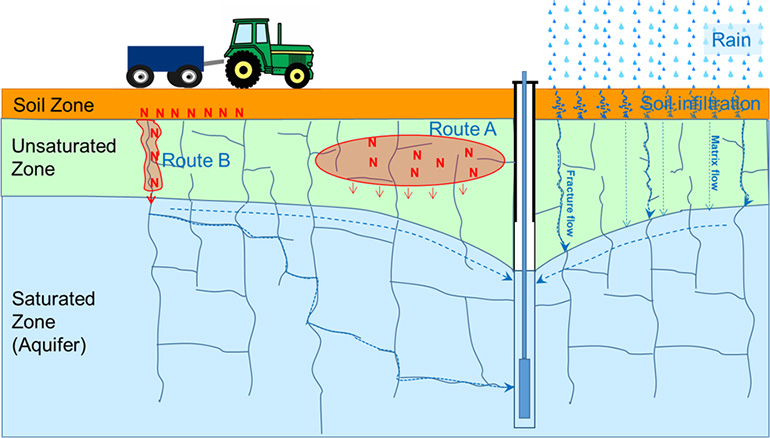 Groundwater catchment management | Wessex Water
Manure Happens (Literally)
Let’s talk about poop—because yes, animal manure is packed with nitrogen. When farms spread manure as natural fertilizer, or when livestock graze near streams, that nitrogen can leach into water too. Even your dog’s backyard deposits add to the story. One dog’s waste might seem tiny, but millions of pets? That’s a whole lotta nitrate sneaking into the water table.
And let’s not forget septic systems. If yours is old or leaky, it’s basically a nitrate drip-feed straight into the ground. Gross? A little. Fascinating? Absolutely.
Why You Should Care (Without Panicking)
Here’s the upbeat truth: a little nitrate in water is normal. But too much can cause issues like algae blooms in lakes (think green slime yuck) or, in very high levels, health risks for babies. But here’s the inspiring part—you have power to be part of the solution.
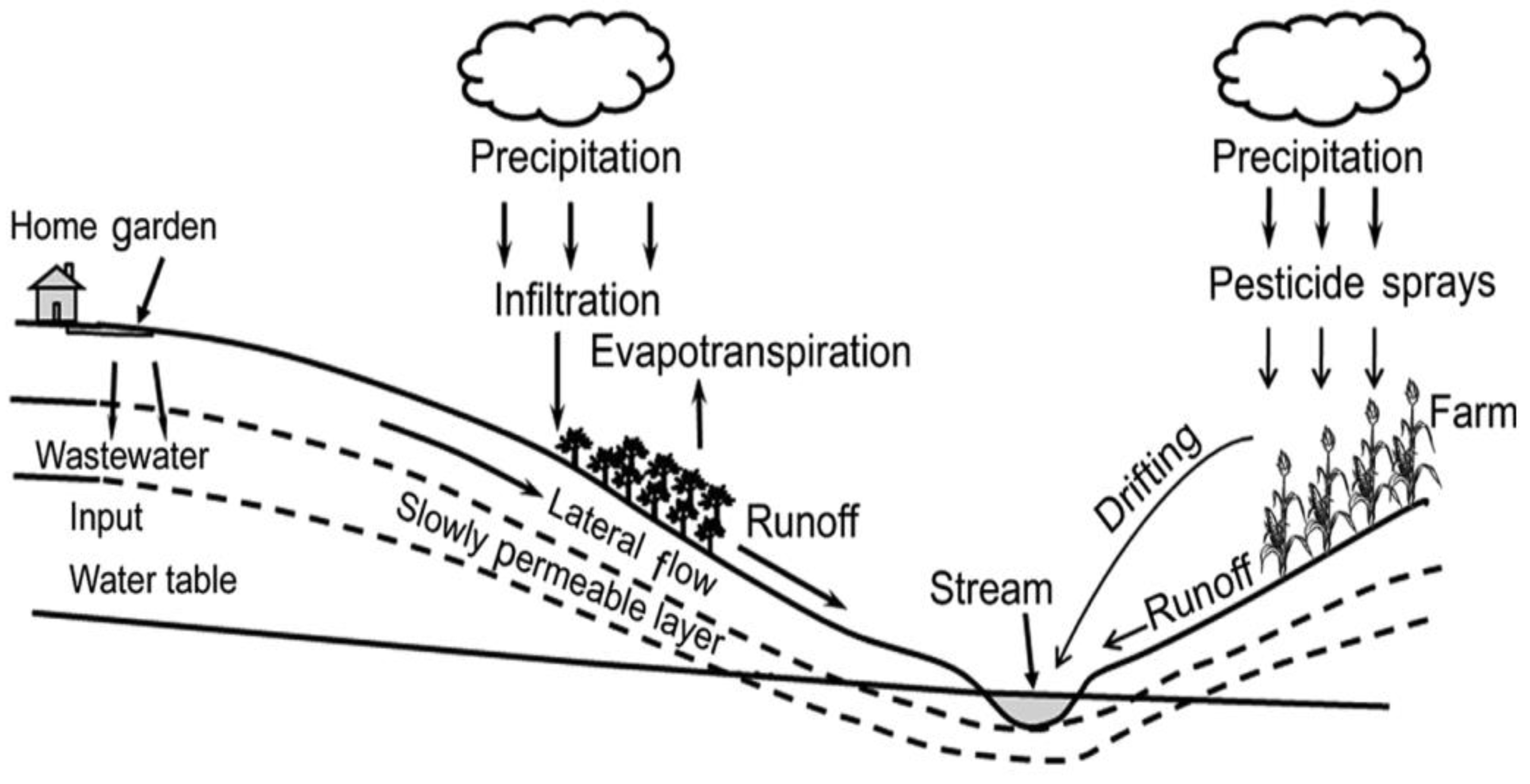 Mobility of Nitrates and Phosphates from Animal Manure-Amended Soil to
By using less fertilizer on your lawn, composting kitchen scraps instead of tossing them, and fixing leaky septic tanks, you become a water superhero. Every choice creates a ripple effect—literally.
Make Life Fun: Be a Water Detective
Want to feel like a secret agent? Look up your local water quality report (it’s public, free, and surprisingly juicy). Test your well water once a year—it’s a cheap, easy kit from a hardware store. You’ll never look at a rainstorm the same way again. Suddenly, you’ll catch yourself thinking, “Ah, that rain is washing my neighbor’s fertilizer toward the creek!” It’s like having X-ray vision for invisible chemicals.
Even better: share what you learn. Start a conversation with “Hey, did you know nitrate comes from…?” Trust me, it’s a party trick that actually matters. People love learning they can improve their own water without being a scientist.
The Uplifting Finale
So, how does nitrate get into water? It’s a beautiful, messy, human story—part nature, part agriculture, part everyday life. And the best part? You are already part of the next chapter. Every time you choose a rain barrel, plant a native garden, or simply flush less fertilizer, you’re helping water clean itself. That’s not just science—that’s sorcery. Go ahead, take a sip, and feel the magic. Then go learn more—because curiosity is the most refreshing thing you can add to water.
