How Does Arsenic Get Into Water

You know how sometimes you go to pour yourself a tall, cool glass of water, and you’re thinking about how great it is that you’re staying hydrated—but then your brain whispers...
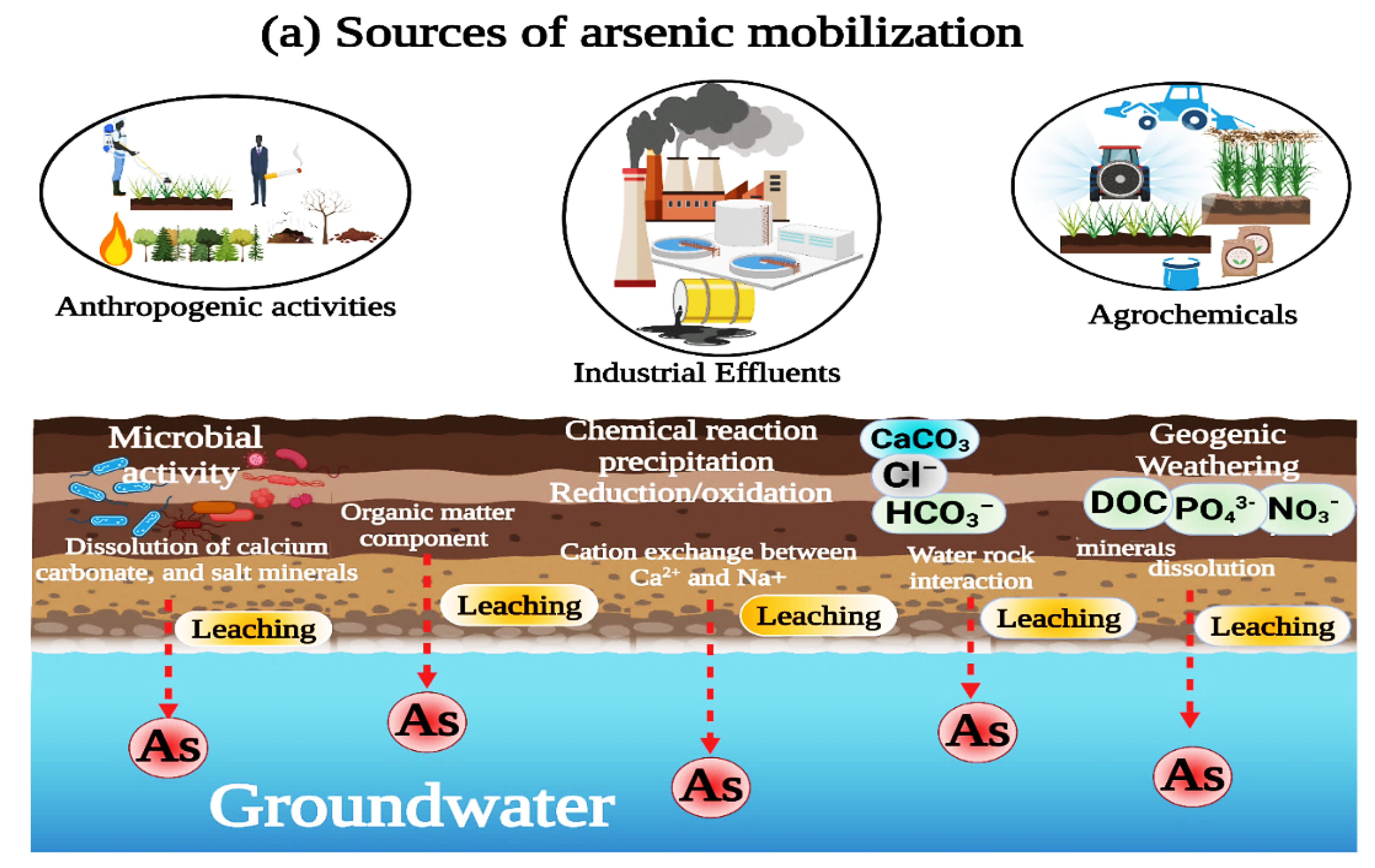
You know how sometimes you go to pour yourself a tall, cool glass of water, and you’re thinking about how great it is that you’re staying hydrated—but then your brain whispers, “Hey, what about the arsenic?” Okay, fine, maybe your brain doesn’t whisper that. But if you’ve ever glanced at a water quality report or listened to a well-testing commercial, you’ve wondered: How does arsenic actually get into water? It’s a fair question, and the answer is less conspiracy theory and more geology’s weird sense of humor.
Mother Nature’s Kitchen Sink
Imagine the earth is a giant, messy kitchen. Arsenic is a natural ingredient in the Earth’s crust, like the stubborn spice that gets into everything. As rain and groundwater move through rocks and soil, they slowly dissolve minerals—including arsenic, which hitches a ride like a lazy hitchhiker. It’s not being evil, just opportunistic.
Think of it this way: if you’ve ever tasted a weird mineral aftertaste from a spring, you’ve already met arsenic’s distant cousin. In places with lots of volcanic rock or old sedimentary deposits, arsenic is just part of the local recipe. It’s been there for millions of years, waiting for a drop of water.
Must Read
When Humans Accidentally Help
But we’re not innocent bystanders here—we’re basically the friend who turns a small party into a messy rager. Mining, for example, is like opening a buried treasure chest that nobody asked for. When we dig for gold, copper, or coal, we expose arsenic-rich rocks to air and water. Suddenly, the arsenic that was napping becomes a party-goer in your watershed.
Farming adds its own twist. For decades, farmers used arsenic-based pesticides and feed additives (yes, they put it on chickens). Rain then washes this old-school poison into the ground, where it joins the natural stuff. It’s like your grandpa’s old paint cans leaking into the basement—except the basement is the aquifer.
Industrial Accidents and Forgotten Junk
Ever heard of a “Superfund site”? Those are basically the EPA’s version of a messy roommate who never cleaned up. Factories that made electronics, glass, or treated wood often left behind arsenic-laced waste. Over time, rain and melting snow seep through these dumps, creating a slow-motion toxic smoothie. Your tap water doesn’t know it’s drinking a 1990s tragedy.
 Learning quality and treatment of groundwater, surface water
There’s also the classic case of “I’ll just bury it”—like old pressure-treated lumber that used arsenic to fight bugs. When those fences and decks rot, the arsenic seeps into the soil. Mother Nature doesn’t do returns.
Well, Who Drinks This Stuff?
Most city water is treated and tested, so you’re probably safe if you get a bill each month. But if you’re on a private well—congratulations, you’re the detective and the lab rat. Wells tap into groundwater that can take decades to filter through arsenic-bearing rock. One day you’re sipping clear water, the next you’re on YouTube watching a soil pH video.
Ironically, the worst-hit areas often have the prettiest scenery: places near volcanoes, old mines, or river deltas. It’s like nature’s way of saying, “Yeah, this view is gorgeous, but drink bottled water.”
 Arsenic Contamination of Groundwater Is Determined by Complex
How to Stay Sane (and Safe)
First, don’t panic. Arsenic in water is usually a long-term issue, not an instant ghost story. If you’re curious, get your water tested—it’s cheaper than a dinner out. For private wells, a basic test kit will tell you if you’ve got a “quiet party” going on. Think of it like checking for a leaky roof before the ceiling caves in.
For city water, you can check your annual Consumer Confidence Report. It’s boring reading, like the instruction manual for your toaster—but it’ll tell you if arsenic is a concern. If it is, a simple under-sink filter can kick that hitchhiker out. Yes, you can actually buy a filter that yells, “Not today, arsenic!”
The Takeaway
Arsenic in water is rarely a villain with a plan. It’s usually a boring, natural accident that got a little help from human curiosity and bad 20th-century decisions. You don’t have to obsess over it, but you also don’t have to ignore it. Drink water like you drive a car: keep your eyes open, check your system, and don’t drink from puddles near old mines. Cheers to that.
