How Much Is 140 Ounces Of Water

You’ve probably seen the number 140 ounces floating around fitness forums or hydration challenges, and your first thought was, “Wait, how much is that really?” Spoiler alert:...
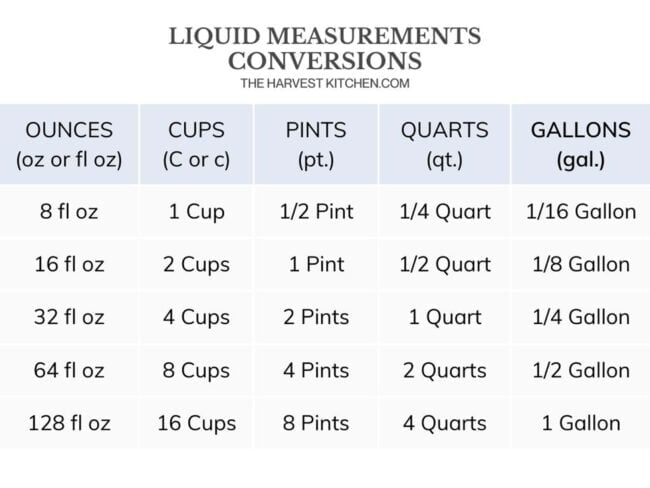
You’ve probably seen the number 140 ounces floating around fitness forums or hydration challenges, and your first thought was, “Wait, how much is that really?” Spoiler alert: it’s a lot—about 8.75 pounds of water weight, which is like carrying a small Chihuahua in your stomach. But before you panic, let’s break it down in a way that doesn’t feel like a math pop quiz.
For context, 140 ounces equals 4.14 liters, or roughly 17.5 standard 8-ounce cups. Imagine filling a standard 1-liter Nalgene bottle two and a half times—and then chugging a bit more. That’s your daily target if you’re following some extreme wellness plans, though most experts recommend a more moderate goal for mere mortals.
The Cultural Hydration Wars
Remember when Stanley cups became the ultimate status symbol, and everyone started lugging around 64-ounce jugs like designer handbags? Well, 140 ounces is over double that—enough to make even the most dedicated influencer think twice. It’s the official water bottle of ultramarathoners, not your 9-to-5 desk job.
Must Read
Pop culture has given us some wild hydration myths. The “8 glasses a day” rule? Actually, that was a loose estimate from a 1945 study that never even mentioned water intake—it was about food. Hollywood’s obsession with clear pee and constant sipping oversells the reality for most people.
What Does 140 Ounces Look Like in Real Life?
Picture yourself at the grocery store. A standard gallon of milk is 128 ounces, so 140 ounces is just a splash more—think of it as 1.09 gallons. That’s heavier than a brick and takes up more space than a medium watermelon.
If you’re commuting, this much water means a dedicated carry bag. You’ll need a 2-liter soda bottle, plus a full 16-ounce sports drink—and you’ll have to refill at least once during the day. Your workout bag will feel like you’re smuggling dumbbells.
Practical Tip: The 140-Ounce Challenge
Unless you’re an endurance athlete or live in Death Valley during a heatwave, you probably don’t need 140 ounces daily. The National Academies of Sciences suggests 91–125 ounces for men and 74–91 ounces for women from all fluids, including food. So, 140 is a stretch goal, not a rule.
 How Many Milliliters in an Ounce? (Measurement Conversion Guide)
If you do want to try it, pace yourself. Start with a 20-ounce glass upon waking, then spread a liter across your morning. Use a marked bottle (like a Hydro Flask with time stamps) to avoid water intoxication—yes, drinking too much too fast can mess with your electrolytes.
Fun Facts to Sip On
Did you know your brain’s hypothalamus has “osmoreceptors” that trigger thirst when you’ve lost just 1-2% of your body’s water? That’s clever evolution, not a cheap trick to sell more plastic bottles. Also, the earth’s total water is about 326 million trillion gallons, so 140 ounces is basically a cosmic drop—but for your kidney, it’s a full day’s work.
In ancient Rome, water was often mixed with wine to purify it—which means your 140-ounce habit would have made you a very tipsy and very hydrated patrician. Today, we have the luxury of zero-proof clarity, so maybe enjoy that without the fermented side effects.
How to Make 140 Ounces Fit Your Lifestyle
Honestly, you can hit 140 ounces without feeling like an inflatable water bed. Eat water-rich foods: cucumbers are 96% water, watermelon is 92%, and even a bowl of soup counts. A single salad with tomatoes and lettuce can contribute 4–6 ounces without you sipping a drop.
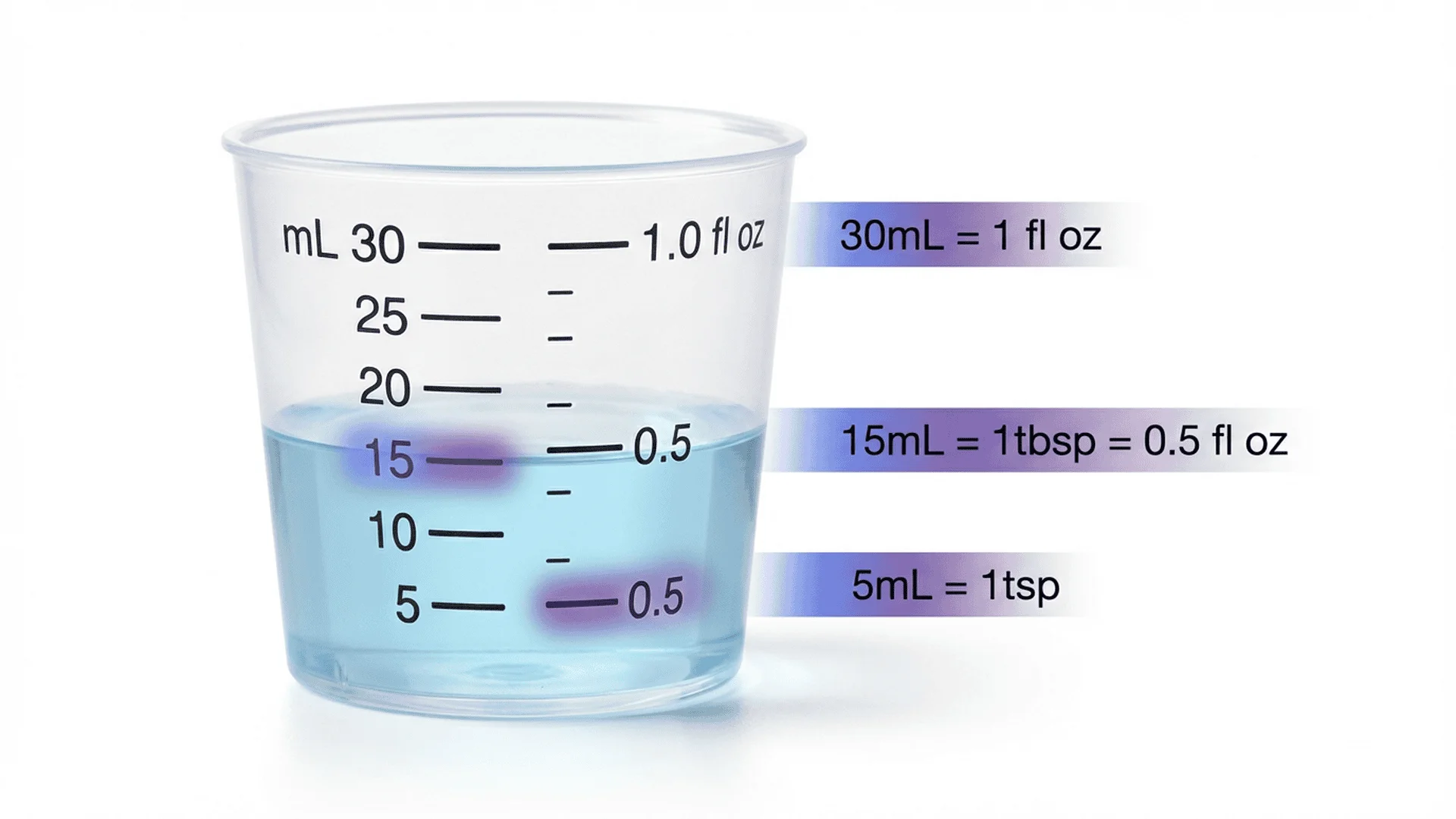 Volume Converter | Liters to Gallons, mL to Cups Calculator【2025
Another sneaky trick: infuse your water with lemon, mint, or berries. The flavor makes it easier to drink, and the ritual of refilling a pretty pitcher encourages you to keep going. Plus, you’ll look like you have your life together—half the battle, right?
The “Just Right” Goldilocks Zone
Let’s be real: most of us are fine with 80–100 ounces total from drinks and food. Your pee color is your best guide—pale straw is the goal, not totally clear. Observe your body: if you’re constantly running to the bathroom or waking up at 3 a.m., scale back.
140 ounces is a tool, not a trophy. It’s perfect for post-sweat recovery, but if you’re sitting at a desk all day, you might just be overhydrating and diluting your electrolytes. Remember, even water can become a one-sided romance if you don’t listen to the other side.
A Short Reflection
So, how much is 140 ounces of water? It’s a number that sounds intimidating until you realize it’s just a heavy bottle and a mindful habit. It’s not about hitting a magic metric—it’s about honoring the signal your body sends when it’s genuinely thirsty.
Think of water like a good friend: you don’t need to drown in them to stay connected. A steady, thoughtful sip throughout the day is enough to keep you thriving, whether you finish at 140 or stop at 100. After all, life is about balance, not bulk hydration.
