What Is Purified Water Used For

So, you’ve seen “purified water” at the store, and maybe you’ve wondered, “What’s the big deal?” Is it just fancy tap water in a plastic bottle? Well, not exactly, my friend....

So, you’ve seen “purified water” at the store, and maybe you’ve wondered, “What’s the big deal?” Is it just fancy tap water in a plastic bottle? Well, not exactly, my friend. Purified water has been on a spa day—stripped of impurities, minerals, and anything else that doesn’t belong, so it’s extra clean. Think of it as water that got a PhD in Purity, and now it’s ready for all sorts of cool jobs around your house and life.
But let’s be real: you don’t need a science lecture. You need to know, what do you actually use this stuff for? I’ve got you covered. Let’s dive into the fun, practical, and sometimes surprising uses of purified water.
In the Kitchen: Your Secret Ingredient
First up, let’s talk about cooking and drinking. If you’ve ever made a cup of coffee with tap water and thought, “Huh, that tastes a little like a swimming pool,” purified water is your hero. It’s neutral—no weird mineral flavors, no chlorine aftertaste, just pure, clean H₂O.
Must Read
That means your morning brew will taste amazing. Your soups, stews, and pasta will let the real ingredients shine instead of fighting with whatever’s in your pipes. And yes, drinking it straight is like giving your body a clean slate—no hidden chemicals, just hydration at its finest.
Oh, and if you’re making ice cubes? Purified water ice cubes are crystal clear, not cloudy. It’s a small victory, but try dropping one in a whiskey and you’ll feel like a fancy cocktail scientist. (Go ahead, pat yourself on the back.)
Baby Bottles and Pet Bowls: The Gentle Choice
Got a little human or a fuzzy friend at home? Purified water is a lifesaver. Babies have sensitive tummies, and tap water might have trace stuff you’d rather not risk. Mixing formula with purified water is like giving them a safety blanket in liquid form.
Same goes for your pets. Dogs and cats love fresh water, but they’re not great at filtering out heavy metals. Fill their bowl with purified water, and you’ll see them drink more—plus, it helps prevent those weird kidney issues down the road. (Plus, your cat might finally stop judging you. Maybe.)
Honestly, it’s just peace of mind. And for less than the price of a latte, you’re upgrading their hydration game. That’s a win-win.
Your Gadgets and Appliances: The Unsung Heroes
Now let’s get geeky for a second. You know that fancy espresso machine you spent a fortune on? Purified water is its best friend. Tap water has calcium and magnesium that build up into crusty limescale, which can ruin your machine over time. Purified water? Nada.
 #post_title
The same goes for humidifiers, steam irons, and even CPAP machines. Using purified water prevents that white mineral dust from coating your furniture—or your lungs. Plus, your iron won’t spit out brown sludge on your favorite white shirt. (Seriously, that’s a public service announcement.)
And if you have a aquarium? Oh boy, this is huge. Fish are picky little divas. Purified water, when properly remineralized, creates a stable, clean environment that keeps your aquatic buddies happy and swimming. No algae explosions, no weird pH crashes—just happy fish and a clear tank.
Skincare and Beauty: Splash of Luxury
Believe it or not, purified water is a secret weapon for your face. Tap water can be harsh—chlorine and minerals can dry out your skin or irritate eczema. Rinsing your face with purified water after washing? It’s like a gentle, non-judgmental hug for your pores.
Makeup artists love it for setting sprays and mixing with products. Even washing your hair with purified water can leave it softer and shinier, since there’s no mineral buildup to dull the strands. It’s a cheap spa hack that actually works.
And let’s not forget making homemade skincare recipes. Mixing a toner or face mist with purified water is way smarter than using tap. Your skin will say “thank you” by glowing. You’re welcome.
Gardening and Plants: The Green Thumb Boost
Alright, plant parents—this one’s for you. Some plants are super sensitive to chemicals in tap water. Orchids, carnivorous plants, and even your picky ferns can get leaf burn from chlorine or fluoride. Switching to purified water can revive a sad-looking plant in weeks.
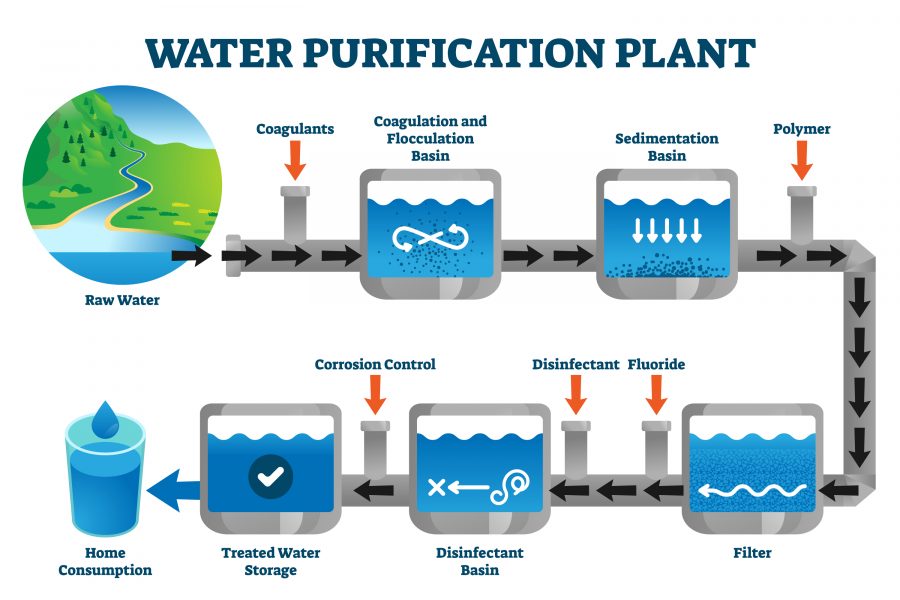 What Is Purified Water? | The Chemistry Blog
It’s like giving them a clean drink after a dusty hike. And for your vegetable garden? Purified water won’t add unwanted salts to the soil, so your tomatoes will taste like tomatoes, not a chemistry experiment. (Your basil will thank you.)
Just remember: plants don’t need the expensive stuff—store-brand purified or even distilled works great. They’re not snobs, they just appreciate the effort.
But Wait—Should You Only Drink Purified Water?
Here’s a fun twist: You don’t need to replace all your water with purified. Tap water has fluoride for teeth and some essential minerals. But for specific uses—like the ones we just covered—it’s a game-changer. Think of purified water as your specialist water: for when you want perfection.
Balance is key. Drink tap for daily hydration, use purified for the delicate stuff. And whatever you do, don’t feel pressured to buy fancy bottles if you have a home filter. You’re already winning at life.
An Uplifting Conclusion for You
So, what’s the takeaway? Purified water isn’t just a trendy bottle on a shelf—it’s a multitasking sidekick that makes your coffee bolder, your skin softer, your fish happier, and your gadgets last longer. It’s the quiet hero that doesn’t demand applause, but it deserves a toast. (With purified ice, of course.)
And here’s the beautiful part: You already have the ability to make life a little cleaner, a little simpler. Whether you buy a jug or use a filter, you’re choosing intention. You’re saying, “Hey, I care about the small things.” That’s pretty awesome.
So go ahead—pour yourself a glass of purified water, smile at your glowing houseplants, and feel good knowing you’ve got this whole water thing figured out. Cheers, you brilliant, hydrated human. 🥤
