What Is The Ph Of Bottled Water

Let’s be honest: most of us don’t think twice about the water we grab from the fridge or the gas station. We just want it cold, clear, and hopefully not tasting like the insid...
Let’s be honest: most of us don’t think twice about the water we grab from the fridge or the gas station. We just want it cold, clear, and hopefully not tasting like the inside of a plastic toy. But lurking behind that bottle cap is a little number called pH, and it’s actually kind of a big deal.
Picture this: you’re at a barbecue, happily sipping your fancy alkaline water, while your friend gulps down tap water from a garden hose. Who’s doing it “right”? The answer might surprise you. pH is just a scale that tells you how acidic or basic a liquid is, from 0 (battery acid) to 14 (drain cleaner). Pure water sits right in the middle at 7, which is neutral.
Your Water’s Hidden Personality
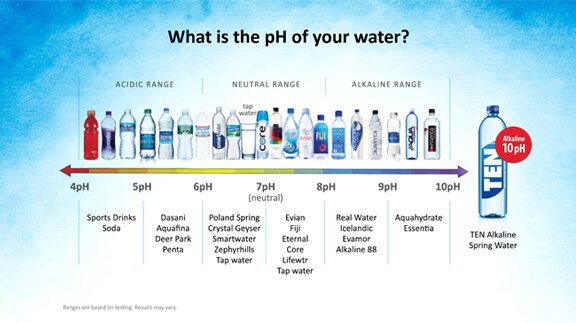
Every brand of bottled water has its own pH personality, and trust me, they’re not all the same. That cheerful bottle of Dasani? It usually clocks in around 5.5 to 6.5, which is slightly acidic. Meanwhile, a brand like Evian comes from a spring with a pH of about 7.2, making it closer to neutral.
Must Read
Then you have the rock stars of the water aisle: the alkaline waters. Brands like Essentia and Core boast a pH of 8 or higher. They taste smooth and fancy, and people swear they help with everything from hangovers to morning grumpiness—though science is still cautiously raising an eyebrow at those claims.
Think of pH like the temperament of a friend. A low-pH water is a bit like that friend who is always rushing and a little intense. A neutral-pH water is the calm, steady pal who shows up with pizza. And a high-pH water is the zen master who does yoga at sunrise and never raises their voice.
Why Should We Care? (It’s Not Just Nerd Stuff)
You might be thinking, “I’m too busy to worry about chemistry, I just want to be hydrated!” I get it. But your body actually cares a lot. Your blood, for instance, really prefers to stay around pH 7.35 to 7.45. That’s a tight squeeze, like trying to fit a suitcase into an overhead bin after one too many airport beers.
 Ph Of Water Brands
Drinking water with a very low pH—like some flavored or carbonated waters—can mess with your teeth. Over time, acidic water can wear down your enamel, making your smile less shiny. On the flip side, super-alkaline water can sometimes upset your stomach because it’s trying to neutralize your natural digestive acids. Balance is the secret sauce.
But here’s the good news: for most of us, bottled water’s pH is totally fine. Our bodies are incredible at regulating themselves. A bottle of slightly acidic spring water isn’t going to turn you into a science experiment gone wrong—it’s just water with a bit of attitude.
The Little Taste Test You Can Do at Home
Want to have some fun? Grab a few different brands from your pantry. Take a sip of each and pay attention to the mouthfeel. Does one feel sharper? Another softer? That’s your tongue detecting pH differences. It’s like being a wine taster, but with way less judgment and no fancy glassware.
 pH Levels of Popular Brands of Bottled Waters | Where Dentistry is done
Remember that time you drank water at a friend’s house and it tasted “metallic” or “flat”? That was likely pH combined with mineral content. High-pH water often feels slippery and silky, while low-pH water feels crisp and tart. It’s a tiny sensory adventure hiding in plain sight.
So, What’s the Verdict?
The pH of your bottled water is a fun fact, not a life-or-death secret. Unless you have specific medical conditions (like acid reflux), you really don’t need to obsess over it. The most important thing is that you’re drinking water at all—something many of us forget to do while chasing kids, deadlines, or the last slice of pizza.
Choose a brand that makes you happy and fits your budget. If you love the smooth taste of alkaline water, go for it. If you prefer the familiar zip of a classic spring water, that’s perfectly wonderful. Your body will thank you either way.
Just don’t drink water from the garden hose, okay? That’s not a pH problem—that’s a life choice.
