What Is A Water Softener System

So, you’ve heard the term “water softener system” thrown around, and honestly, it sounds like something from a sci-fi movie about angry plumbing, right? Spoiler alert: It’s wa...

So, you’ve heard the term “water softener system” thrown around, and honestly, it sounds like something from a sci-fi movie about angry plumbing, right? Spoiler alert: It’s way less dramatic and way more helpful than that. Let’s break it down together, like we’re sipping coffee and staring at your crusty faucet.
At its core, a water softener is a magic box for your pipes. Well, not magic—it’s science—but it feels magical when your soap suddenly lathers. Its one job is to remove “hardness” from your water, which is a fancy term for minerals like calcium and magnesium.
Imagine those minerals as tiny, stubborn party crashers in your water. They don’t hurt you—they’re actually healthy to drink—but they wreck your appliances, leave white scale on dishes, and make your hair feel like straw. A water softener kicks them out of the party.
Must Read
How does this wizardry actually work?
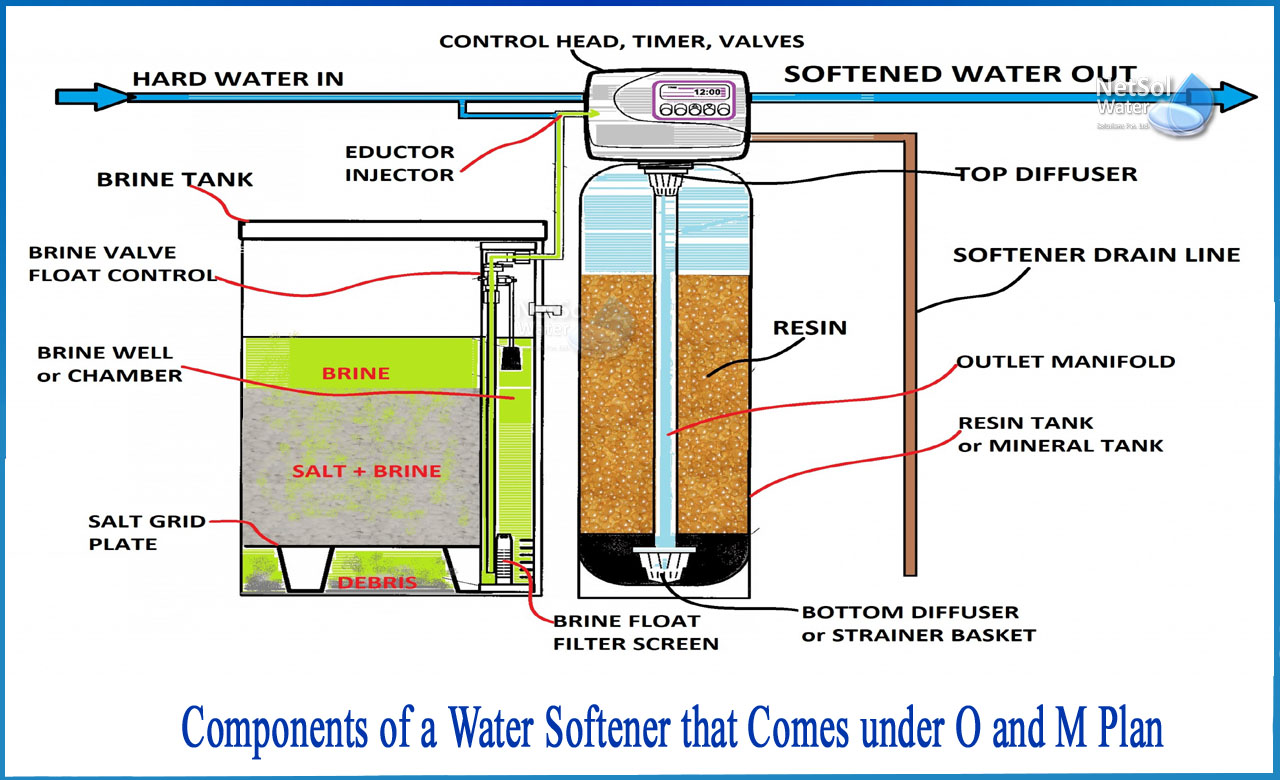
Inside the softener is a tank full of resin beads. Think of these beads as super-charged magnets that love grabbing onto calcium and magnesium. When hard water flows through, the beads snatch up the minerals and swap them for sodium or potassium ions.
Yes, you read that right—it trades hard minerals for a tiny bit of salt. That’s why softened water tastes slightly different, but I promise, it won’t turn your morning coffee into ocean brine. Your taste buds won’t even notice.
Eventually, the beads get full of the bad stuff, like a stuffed couch after a movie marathon. So the system “regenerates” by flushing itself with a brine solution—salty water—to wash away the minerals. It’s like giving your resin beads a spa day.
But wait, do you actually need one?
If you’ve ever scrubbed a shower door and it still looks like a fossilized dragon scale, yes. Hard water leaves white, chalky deposits on everything—glasses, faucets, your kettle. It also shortens the life of your water heater by making it work overtime.
Your laundry will thank you, too. Hard water makes detergent less effective, so your “white” socks stay a sad, dingy gray. A softener? Suddenly, your clothes smell fresh and feel fluffy, like a puppy’s belly. (Okay, maybe not that fluffy, but close.)
Here’s the kicker: your skin and hair love soft water. Hard water leaves a film on your skin that can cause dryness or irritation. After a soft water shower, you’ll feel like you just rolled out of a luxury spa—or at least not like a human chalkboard.
 How Water Softeners Work | Benefits, Diagram & More
What’s the catch? (You knew there’d be one.)
Water softeners aren’t perfect. They add a tiny amount of sodium to your water, which might matter if you’re on a strict low-salt diet. But honestly, it’s less salt than a slice of bread—so don’t panic.
Also, they need maintenance. You have to buy bags of salt and dump them in the brine tank every few months. It’s not hard—it’s like feeding a very simple, thirsty pet. Your pet water softener. Name it “Fluffy” if you want.
And yes, they cost a few hundred bucks upfront. But compared to replacing your water heater every five years, scrubbing fixtures weekly, or buying new laundry, it’s a steal. Think of it as an investment in your sanity and your shower.
Are there other options? (Of course, there are.)
You might hear about salt-free “water conditioners.” These don’t remove minerals—they change their shape so they don’t stick to your pipes. They’re good for some folks, but they won’t give you that silky, soap-lathering softness.
Then there are reverse osmosis systems, which are like the overachieving cousin. They filter everything, including good stuff, so you often pair them with a softener. It’s a whole water superhero team.
For most people, a classic salt-based softener is the gold standard. It’s simple, reliable, and has been making grandma’s silverware sparkle since the 1950s. Don’t fix what isn’t broken—just soften it.
So, what’s the verdict?
If your water leaves a ring in your bathtub that looks like a crime scene, get a softener. If your hair feels like you washed it with sandpaper, get one. If you just hate scrubbing, definitely get one.
 How Do Kinetico Water Systems Work at Mary Lockridge blog
You’ll notice the difference immediately. Dishes come out spotless. Your coffee maker stops coughing up white flakes. And your skin? It’ll feel so smooth you might start petting your own arm. No judgment.
Just remember: a water softener isn’t for drinking water (you can get a separate tap for that). It’s for your whole house. That means every sink, every shower, every hose—all the good stuff gets the VIP treatment.
A final, friendly warning
Don’t go buying the first one you see online. Get a water test kit (or call your municipal water department) to check your hardness level. It’s measured in grains per gallon, and if it’s over 7, you’re in softener territory.
Size matters, too. A system that’s too small will regenerate constantly, wasting salt and water. A system that’s too big? It’ll cost more than a weekend at Disneyland. Measure your household’s water usage. It’s worth the math.
And finally, installation. Unless you love playing with copper pipes and electric shocks, hire a pro. Trust me—your Saturday afternoon is better spent doing literally anything else.
Let’s wrap this up with a smile
So there you have it: a water softener system is basically a cuddly robot butler for your plumbing. It fights the invisible enemy (minerals), saves your appliances, and makes your hair look like you actually tried. It’s not flashy, but it’s one of those quiet heroes you’ll thank every single morning.
Life is hard enough—your water doesn’t have to be. Go ahead, treat your home to a softener, and enjoy the little things: squeaky-clean glasses, fluffy towels, and a shower that feels like a hug. And if anyone asks why you’re grinning in the bathroom? Just tell them your water is on its best behavior. 😉
