What Is Orthophosphate In Water

Picture this: It’s a sweltering July afternoon, and my neighbor Bob is cursing at his garden hose. He’s just spent two hours scrubbing a neon-green slime from his koi pond fil...
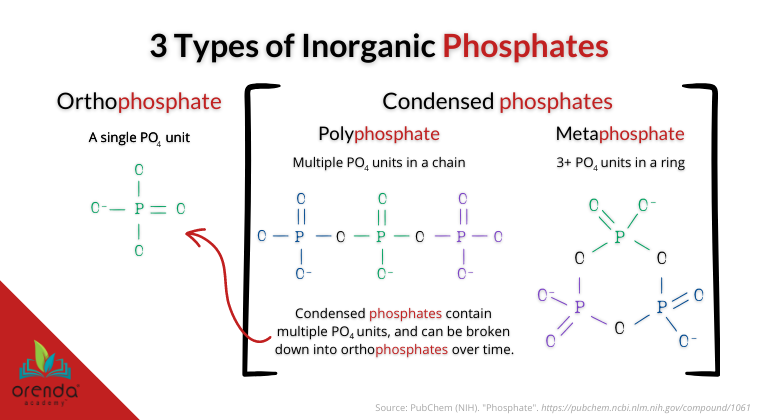
Picture this: It’s a sweltering July afternoon, and my neighbor Bob is cursing at his garden hose. He’s just spent two hours scrubbing a neon-green slime from his koi pond filter, muttering something about “that damn phosphate stuff” from his lawn fertilizer. I nod sympathetically, but inside, I’m thinking: Bob, buddy, you have no idea what you’re really dealing with. That slime wasn’t just any phosphate—it was the sneaky, dissolved version called orthophosphate. And trust me, this little chemical is the real puppet master behind a lot of water quality drama.
So, what exactly is orthophosphate? In plain English, it’s the simplest, most bioavailable form of phosphorus dissolved in water. Think of it as the “fast food” version of phosphorus—tiny, grab-and-go molecules that algae and aquatic plants just love to devour. Unlike its chunky cousins (like calcium phosphate, which sits on the bottom like a rock), orthophosphate is already dissolved, ready to be slurped up by anything green and hungry.
Now, why should you care? Because orthophosphate is the main trigger for algae blooms. You know that gross, pea-soup green water that turns your local pond into a swamp? Yeah, that’s orthophosphate throwing a party and inviting every single floating alga in the neighborhood. And believe me, algae don’t RSVP—they just show up.
Must Read
Where does it come from?
Orthophosphate doesn’t just appear magically. It comes from your lawn fertilizer, your dishwasher detergent, and—let’s be honest—your plumbing. Yes, your own pipes. If you have copper or iron pipes, water utilities sometimes add orthophosphate on purpose as a corrosion inhibitor. It coats the inside of pipes like a microscopic shield, stopping lead and copper from leaching into your drinking glass. Ironic, right? The same stuff that makes your pond look like a swamp also keeps your tap water from tasting like a metal workshop.
But here’s the kicker: nature already has tons of it. When leaves fall into a stream and rot, they release orthophosphate. When fish poop—yep, that too. It’s a natural part of the phosphorus cycle. The problem begins when humans supercharge the system. Think of it like this: a little orthophosphate is a gentle rain; too much is a firehose to the face.
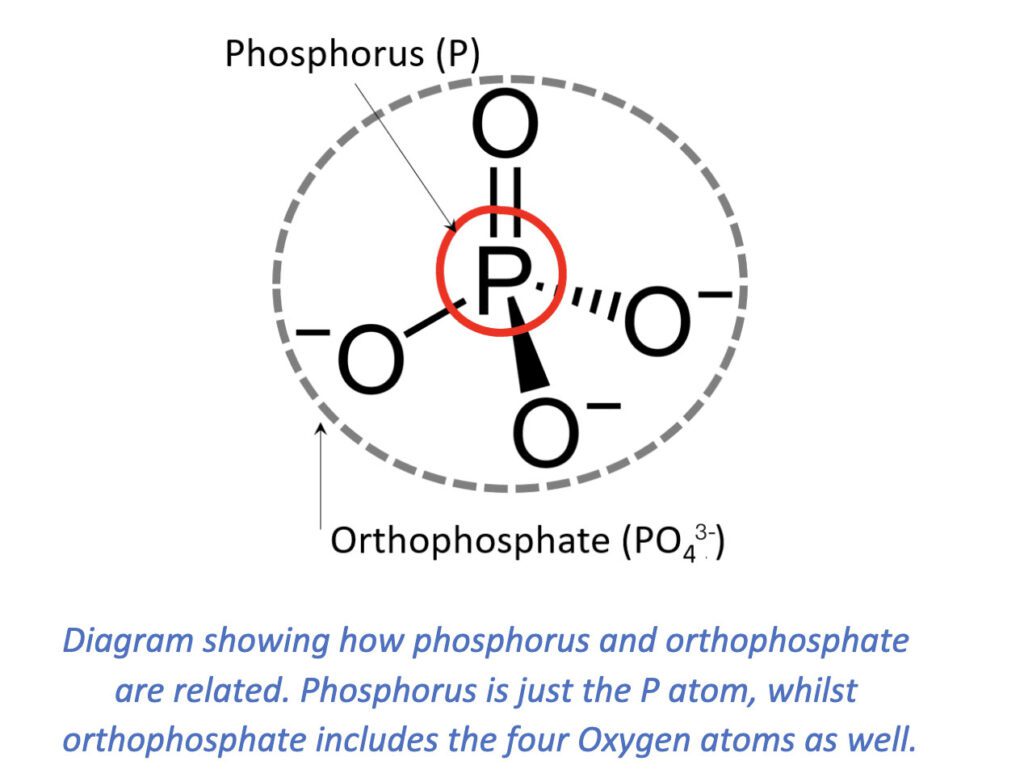 Overview: Phosphorus - CastCo
The sneaky role in your water heater
And if you thought swimming pools were safe, think again. Orthophosphate is silently hiding in your backyard kiddie pool, too. When you fill it with tap water that has orthophosphate, and then add a splash of sunscreen or a little kid’s urine (we all know it happens), you’ve basically created a perfect algae soup. Pool store salespeople love it—they’ll sell you expensive phosphate removers. But really? The fix is simple: keep your chlorine high and your phosphates low, or just drain the thing. (Shh, I’m looking at you, Bob from the koi pond.)
Now, you might ask: “Is orthophosphate dangerous to me?” In the short term, at the levels found in drinking water, it’s generally safe. The EPA sets a limit of 0.1 mg/L for total phosphorus in rivers, but orthophosphate itself isn’t a toxin. The real danger is eutrophication—a fancy word for “death by algae.” When too much orthophosphate feeds an algae bloom, those algae eventually die and decompose, sucking up all the oxygen in the water. Fish suffocate. The water stinks. You get a dead lake.
 2.02.220 Ammonium Polyphosphate 10-34-0 | ServiTech's Cultivated Knowledge
So, how do you test for it? You can buy a simple test kit at any pool store or online for a few bucks. It’s like a pregnancy test for your water—except instead of a baby, you’re looking for a green disaster. Dip a strip, wait a few seconds, and check the color. If it’s dark blue, you’ve got a problem. If it’s pale, congratulations—your water is boring and safe. And boring is exactly what we want here.
Here’s my takeaway: orthophosphate is that annoying friend who’s fine in small doses, but gets absolutely insufferable when you let him crash on your couch for a month. Don’t let it overstay its welcome. Use phosphorus-free fertilizers, fix any leaky septic tanks, and if you’re treating your drinking water for corrosion, monitor those levels. Otherwise, you’ll end up like Bob—cursing at a hose on a hot day, wondering why your garden smells like a petting zoo.
And remember: next time someone mentions “phosphates,” you can nod knowingly. Tilt your head, squint an eye, and say, “Ah, you mean orthophosphate. The sneaky little nutrient that runs the whole show.” They’ll either think you’re a water wizard, or they’ll back away slowly. Either way, you win. Just don’t let Bob near your garden hose.
