How To Neutralize Pool Chlorine

Okay, friend. Let’s talk pool chlorine. You know, that stuff that makes your water sparkle like a diamond but also smells like a hospital laundry room made a mistake? You’ve g...
Okay, friend. Let’s talk pool chlorine. You know, that stuff that makes your water sparkle like a diamond but also smells like a hospital laundry room made a mistake? You’ve got too much of it. Your eyes are burning and you’re craving a glass of water that doesn’t taste like a chemistry set. Don’t panic. We’ve got this.
First, let’s get real about why you’d want to neutralize it. Maybe you overshot the shock treatment—oops, we’ve all been there. Or maybe you’re tired of that bleach-tinged air and itching skin. Chlorine is a necessary evil, but too much is just evil. Let’s kick it out.
Your best friend: Sunlight
The sun is basically a giant, free chlorine-killing machine. Seriously. Ultraviolet (UV) rays break down chlorine faster than a kid ditching homework. So, if you’ve got a sunny day, just uncover your pool and let nature do its thing.
Must Read
How long? It depends on how deep you’ve messed up. A few hours of direct sunlight can drop chlorine by 1–3 parts per million (ppm). It’s not fast, but it’s easy. And you get to sit there, sipping iced tea, pretending you’re a pool wizard. Win-win.
Pro tip: Run your pump
While the sun works, run your filter pump. Circulation helps distribute that UV magic evenly. Don’t just leave the water sitting there like a lazy pond. Give it a good stir. You don’t have to do anything else—just let physics and solar power be your heroes.
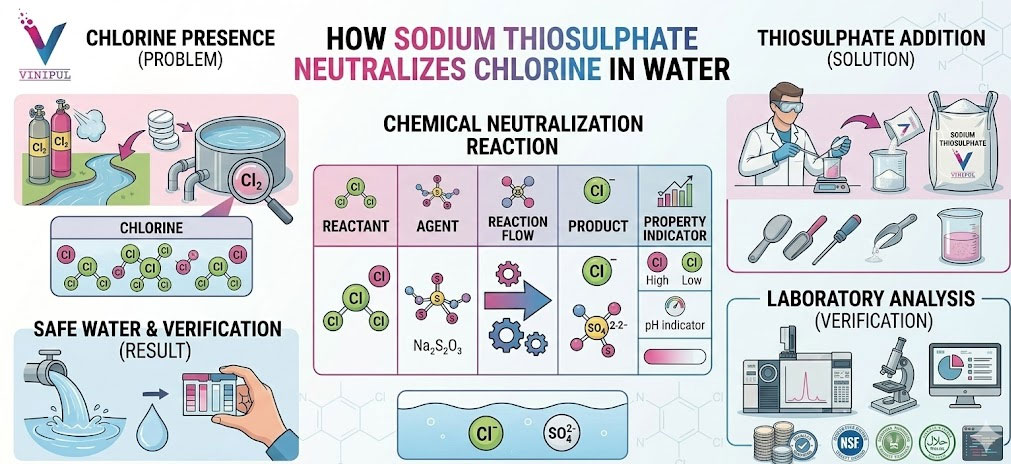
The chemical shortcut: Sodium Thiosulfate
Okay, so you’re impatient. I get it. The pool party is in an hour, and the water smells like a janitor’s closet. Enter sodium thiosulfate—the heavy artillery of chlorine neutralizers. You can buy it at any pool store, usually as a powder or liquid.
Here’s the deal: a little goes a long way. Like, a teaspoon can neutralize 10 ppm in a 10,000-gallon pool. Start small, or you’ll turn your pool into a weird, cloudy soup. Mix it in a bucket of water first, then pour it around the edges. Wait 30 minutes, test again. Boom. Done.
 SwimSpray - Chlorine Removal Spray | Pool calcium remover spray, Diy
Don’t panic if it overshoots
What if you add too much? Great news: you can’t really hurt the water—you just make it super low in chlorine. Then you’ll have to add more chlorine later. It’s like a chemistry seesaw. Embrace the silliness.
The old-school method: Ascorbic Acid
Wait, ascorbic acid? That’s just fancy talk for vitamin C. Yes, you can neutralize chlorine with the same stuff in your orange juice. Brilliant, right? Pool stores sell it as a “chlorine reducer” or “stain remover,” but you can also use crushed-up vitamin C tablets (check they’re pure—no sugar coating).
Sprinkle it in, and watch the chemical reaction happen. It’s fast—like 10 minutes fast. But be warned: it can lower your pH a bit. So test your water afterward and balance it with baking soda if needed. Still, it’s way more fun than using harsh chemicals.
The water change: Nuclear option
Did you dump in a gallon of liquid chlorine by accident? Did you misread the label and now the pool smells like a war crime? Drain and refill a portion of the water. It’s drastic, but sometimes you need to start fresh.
Just don’t drain the whole pool if you have a liner—they can pop out. Replace 25–50% of the water, let your filter run, and then test. You’ll also save some water (and your sanity).
 How Sodium Thiosulphate Neutralizes Chlorine in Water - Vinipul
What not to do
Whatever you do, do not add bleach to “balance” it. That’s like adding more fire to put out a fire. I’ve seen people try—it was a disaster. Also, don’t toss in random household chemicals like hydrogen peroxide (unless you’re a chemist). Pool chemistry is a delicate dance, not a frat party.
And please, please don’t jump in while you’re adding neutralizers. Give it at least 30 minutes to mix. You’re not a lab rat—you’re a person with eyes that shouldn’t burn.
The waiting game
Here’s the secret: chlorine neutralization is mostly patience. Test your water every hour until the level drops to 1–3 ppm. That’s the sweet spot for swimming—safe for your skin, safe for your suit, and safe for your majestic pool float.
And hey, if all else fails? Just tell your guests the pool is “salted.” They’ll be impressed. Or they’ll smell the chlorine and know you’re lying. Either way, you’ll be laughing over coffee tomorrow.
Now go forth, neutralize, and swim like the glorious water creature you are. Just don’t drink the pool water. Seriously. Stick to coffee.
