How To Determine Water Hardness

You know that weird white crust on your coffee pot? Or the way your shampoo just refuses to lather up no matter how much you squirt? That’s not a sign you’re losing your mind—...
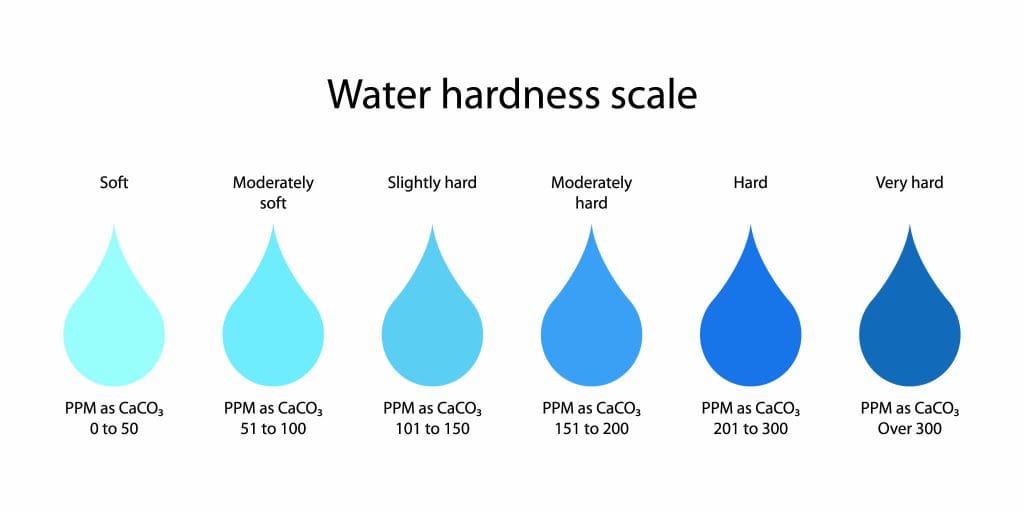
You know that weird white crust on your coffee pot? Or the way your shampoo just refuses to lather up no matter how much you squirt? That’s not a sign you’re losing your mind—it’s likely hard water.
Think of your water like a friendly neighborhood barista. Soft water is a polite pour-over. Hard water is that same barista, but they accidentally dumped a whole can of calcium and magnesium into your cup. Most of us don’t think about it, but the minerals in your tap water are secretly running your home.
Why should you even care?
Here’s the thing: hard water isn’t dangerous to drink. It’s actually healthy! But it’s a nightmare for your appliances, your skin, and your laundry.
Must Read
My friend Sarah spent months wondering why her white shirts looked gray. She bought fancier detergent. Nothing worked. Then she checked her water hardness. Boom. That mineral buildup was trapping dirt in the fabric. Her shirts weren’t dirty—they were just mineralized.
Hard water clogs your pipes, ruins your water heater, and sucks the moisture right out of your hair. You’re basically paying extra for grumpy hair and broken dishwashers.
The “Shake and Bubbles” Test
Want to know if you’ve got hard water at home? You don’t need a science degree. Grab a clean, clear plastic bottle with a lid. Fill it about halfway with tap water.
Now, add ten drops of plain liquid dish soap—not the fancy antibacterial stuff, just the cheap, clear kind your grandma used. Put the lid on tight and shake it like a Polaroid picture for about ten seconds.
What happens next is your water’s dirty secret. If the water gets thick with bubbles and stays cloudy for a minute, you’ve got soft water. Congratulations! If the bubbles are thin, disappear fast, and you see a little ring of foam at the top? That’s hard water waving hello.
 How to Reset Ninja Coffee Bar Clean Light
The soap molecules get “eaten up” by the calcium and magnesium. They’re too busy hugging the minerals to make bubbles. It’s like trying to throw a party when your guests are all hiding in the corner with their phones.
The “Soap Scum” Shame
Don’t feel bad if your soap won’t bubble. Hard water affects 85% of US homes. You’re in the majority. But that white, crusty ring in your bathtub? That’s soap scum. It’s your soap molecules clinging to dirty minerals and saying, “Nope, we’re staying here.”
I once visited my aunt in a soft-water town. I washed my face and felt my skin squeak. It was so clean I thought my face was broken. Turns out, hard water leaves a mineral film on your skin that blocks moisture. That’s why your lotion never sinks in.
The “Water Strip” Method
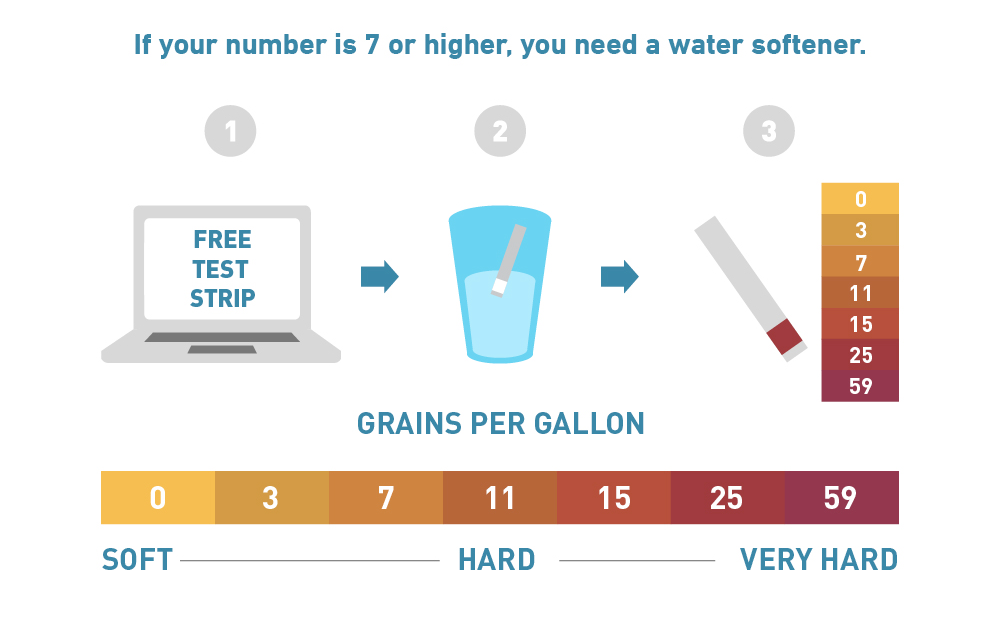
If shaking a bottle feels too low-tech, buy a water hardness test strip online or at any hardware store. They cost less than a fancy latte. You literally dip it in a glass of tap water for two seconds, wait a minute, and compare the color to a chart.
Don’t be shocked if the strip turns deep purple or dark blue. That’s the “very hard” zone. It’s not a judgment on your character. It’s just the minerals saying, “We’re here, and we brought friends.”
 How To Determine Water Hardness In Grains at Leslie Green blog
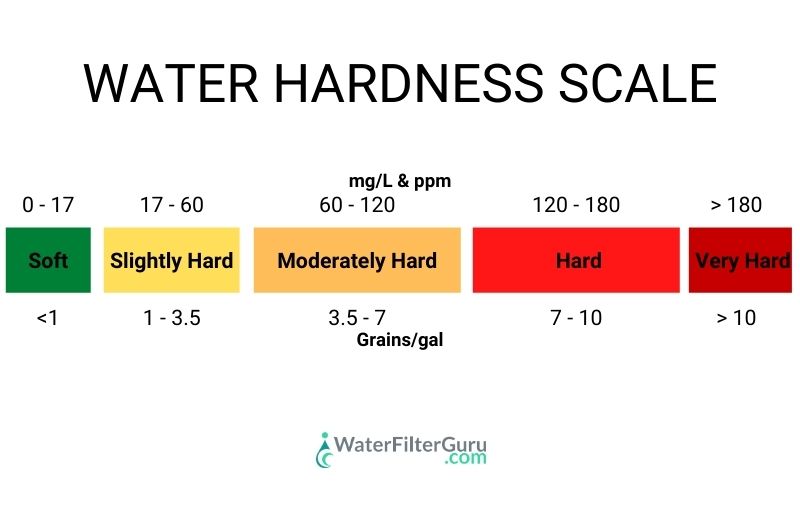
The scale usually runs from 0 to 25 grains per gallon (gpg). Under 3 is soft. Over 7 is hard. Over 12? You’re basically washing dishes in prehistoric seawater.
What about “Precipitation?”
Another dead giveaway: white crust on faucets. That’s not from your house being haunted. That’s hard water drying and leaving behind a little rock castle. You can scrub it off with vinegar, but it’ll be back like a clingy ex.
Also, if your tea has a weird, oily film on top? That’s the minerals reacting with the tannins. It’s perfectly safe, but it tastes like a disappointing Monday morning.
The Big Picture
Knowing your water hardness is like knowing your blood type for your home. It saves you money, time, and headaches. If you have hard water, you’ll need more detergent, salt in your dishwasher, and maybe even a water softener if you’re feeling fancy.
But you don’t have to fix it right away. Just knowing is half the battle. You’ll stop blaming your soap for not foaming. You’ll stop wondering why your skin feels tight after a shower. You’ll stop buying expensive shampoos that promise miracles when the real villain is your tap water.
So grab a bottle, shake it up, or buy some cheap strips. Give your water a little test. It’s not a science project—it’s reclaiming your morning coffee, your fluffy towels, and your sanity. Your future, softer-haired self will thank you.
