How To Test Your Drinking Water

So, you’ve decided to test your drinking water. Maybe you caught a whiff of something funky from the tap, or your neighbor’s toilet turned a suspicious shade of Chartreuse. Or...
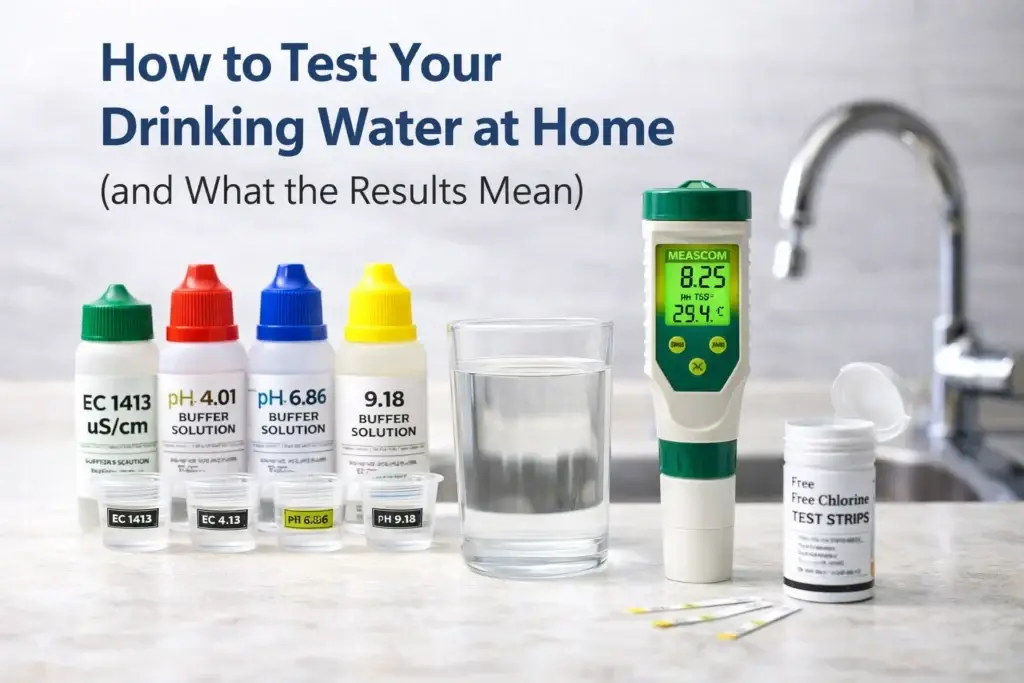
So, you’ve decided to test your drinking water. Maybe you caught a whiff of something funky from the tap, or your neighbor’s toilet turned a suspicious shade of Chartreuse. Or maybe you just watched a documentary about microplastics and now every sip feels like a crime scene. Relax—I’ve got your back. Testing your water isn’t rocket science; it’s more like a science fair project where you get to drink the results.
First, Let’s Talk About Your Water’s "Vibe"
You don’t need a lab coat to start. Use your senses—they’re surprisingly good (and free). Fill a clean glass and stare at it like it owes you money. If it looks cloudy, that’s usually just dissolved air, not poison—it’ll clear up in a minute. But if it’s got floaties, or worse, a rainbow sheen, you’ve got a party of metals or minerals crashing your water.
Now take a whiff. If your water smells like a swimming pool, that’s chlorine—normal for municipal supply, but a bit much if it burns your nostrils. If it smells like rotten eggs, you’ve got hydrogen sulfide, which sounds like a metal band but is actually just harmless bacteria in your pipes. Still, gross.
Must Read
Taste it—but don’t chug. A metallic tang often means iron or copper from old pipes. A salty taste? That might be high sodium from water softeners or—plot twist—road salt sneaking into your well. Spit it out dramatically for effect.
Time to Get Scientific (But Lazy)
If you’re a normal person without a PhD, buy a home water test kit. They cost about the same as a fancy pizza, and they’re way less disappointing. Most kits come with little strips that you dip in water and watch change color, like a mood ring for your sink. Pro tip: don’t test the dishwasher water unless you hate yourself—it’s always a mess.
For the basics, look for strips that check pH, hardness, chlorine, and nitrates. Your water should be around pH 6.5 to 8.5—basically neutral. If it’s acidic, your pipes might be dissolving into your morning coffee (yum). If it’s basic, it might taste like chalk. Neither is lethal, but both are annoying.
But here’s the kicker: home tests miss the scary stuff. They can’t catch lead, bacteria, or pesticides—the real villains. For that, you need a fancy lab. I know, I know, we’re busy. But if you live in a house built before 1986, you’ve probably got lead pipes or solder, and that’s not a joke. Lead is neurotoxic, especially for kids. Don’t wait for the zombie apocalypse to find out.
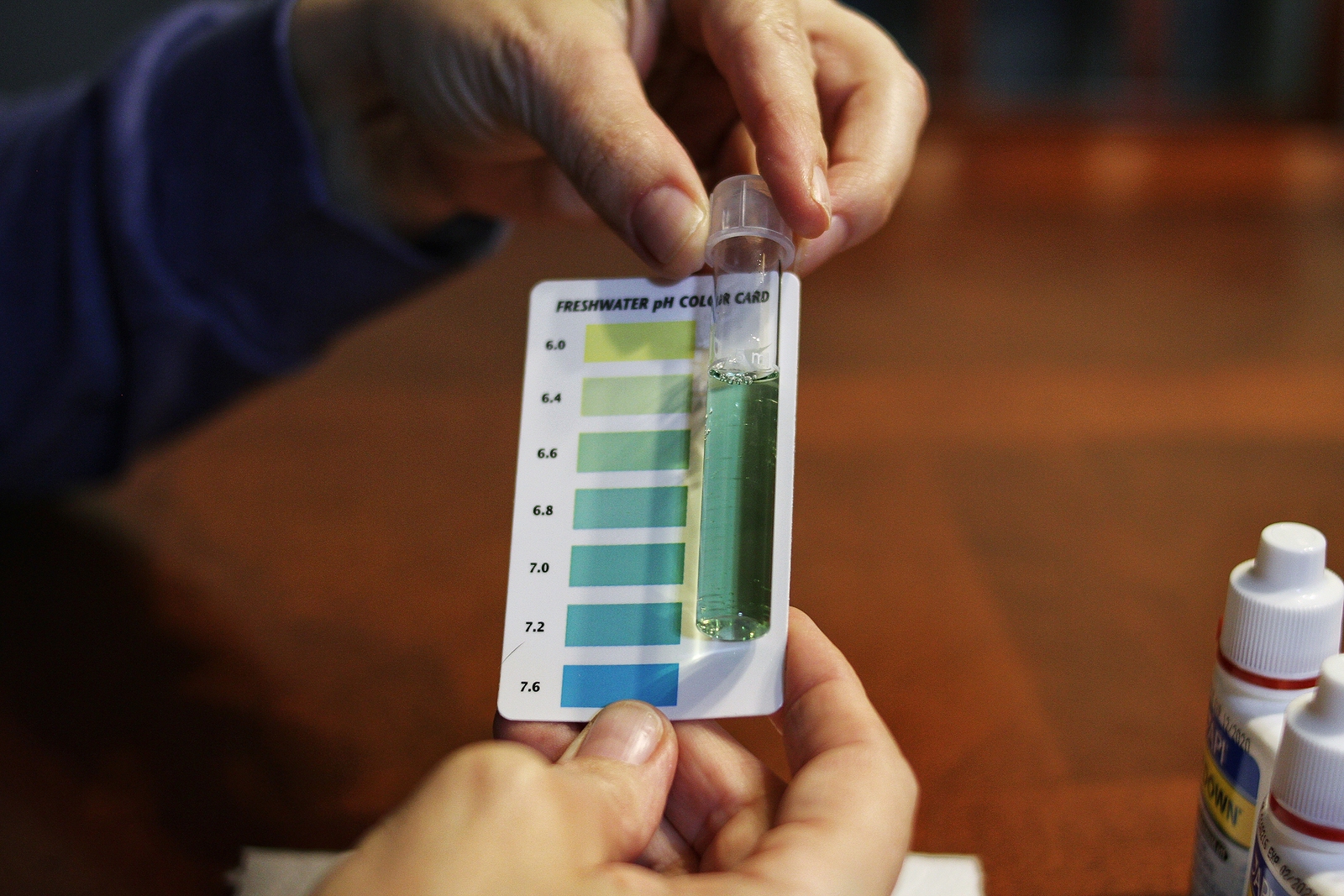 Ph Of Drinking Water Test | How To Measure Ph In Water – RYJIWN
The Lab Option: Send Your Water to Strangers
This is where you channel your inner CSI. Collect a sample in a sterile bottle—not a mason jar you found in the garage. Fill it up, label it with your address and the date, and mail it to a certified water lab. It costs about $40 to $150, depending on how paranoid you are. Surprising fact: the EPA doesn’t regulate private wells at all—so if you’re on well water, you’re basically your own water police. Congratulations, you’ve just been promoted to sheriff of your sink.
The lab will send you a report filled with numbers and chemical names that look like a spell from Harry Potter. Don’t panic. Compare your results to the EPA’s drinking water standards (available for free online). If anything is above the “maximum contaminant level,” time to call in a pro—or start hoarding bottled water like a doomsday prepper.
Surprising Facts That Will Make You Say "Ew"
Here’s a doozy: your tap water might contain traces of prescription drugs. Antidepressants, antibiotics, birth control—yes, people flush them, and water treatment plants aren’t designed to filter them. The levels are tiny, but still, imagine drinking your neighbor’s anxiety meds. You might suddenly feel calm about your lousy commute.
Another fun fact: fluoride is added to most municipal water to prevent cavities, but too much can cause fluorosis—white spots on teeth. If your water’s got above 0.7 milligrams per liter, you’re basically drinking toothpaste. Not dangerous, just weird.
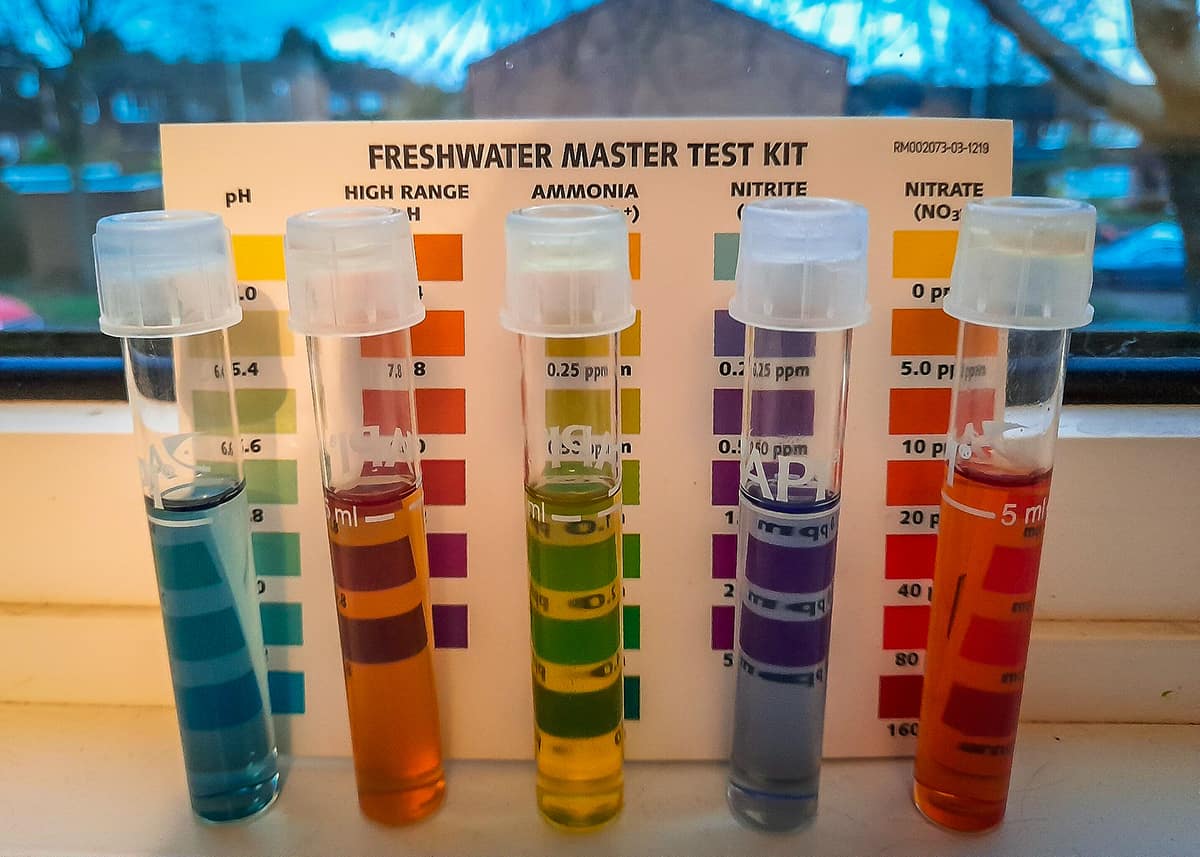 Water Quality Testing Ireland – Water Testing – GCDJ
And the wildest one: the plastic bottle you’re tempted to buy instead may not be safer. Many bottled waters are just tap water bottled with a fancy label, and they’ve been found to have microplastics. So testing your tap might actually be less depressing than testing your Fiji.
What to Do If Your Water Fails the Test
Say your test reveals high levels of lead or bacteria. Calm down—don’t sell your house and move to a yurt. First, run the tap for a minute before drinking to flush out stale water. Next, buy a certified water filter that matches the contaminant—like a Brita for taste, or a reverse osmosis system for heavy metals. Surprising fact: boiling water doesn’t get rid of lead or chemicals—it only kills bacteria. So a kettle won’t save you from a toxic pipe.
If you’re on a well, test for coliform bacteria every year (it’s cheap and easy). This bacteria means something’s leaking into your water—like a dead animal or a septic tank. Yep, I said it. But don’t worry; a little bleach or UV light can fix it.
And finally, if everything checks out but you still hate the taste, add a lemon slice or buy a carbon filter pitcher. Because you deserve a glass of water that doesn’t taste like a swimming pool’s regrets.
The Bottom Line (Without the Fancy Science)
Testing your water is a weekend DIY project that could save you from a lifetime of weird toilet stains or worse, a hospital bill. Start with your senses, graduate to a test strip, and if you’re feeling fancy, call in the lab nerds. Remember: clean water is a luxury, but testing it is a choice. So go ahead—be the hero your kitchen faucet never knew it needed.
