How To Dissolve Calcium Buildup

So, you’ve met the enemy. It’s white, crusty, and lives in your kettle. That’s calcium buildup—mineral crud with a serious attitude problem. It clogs your showerhead, ruins yo...
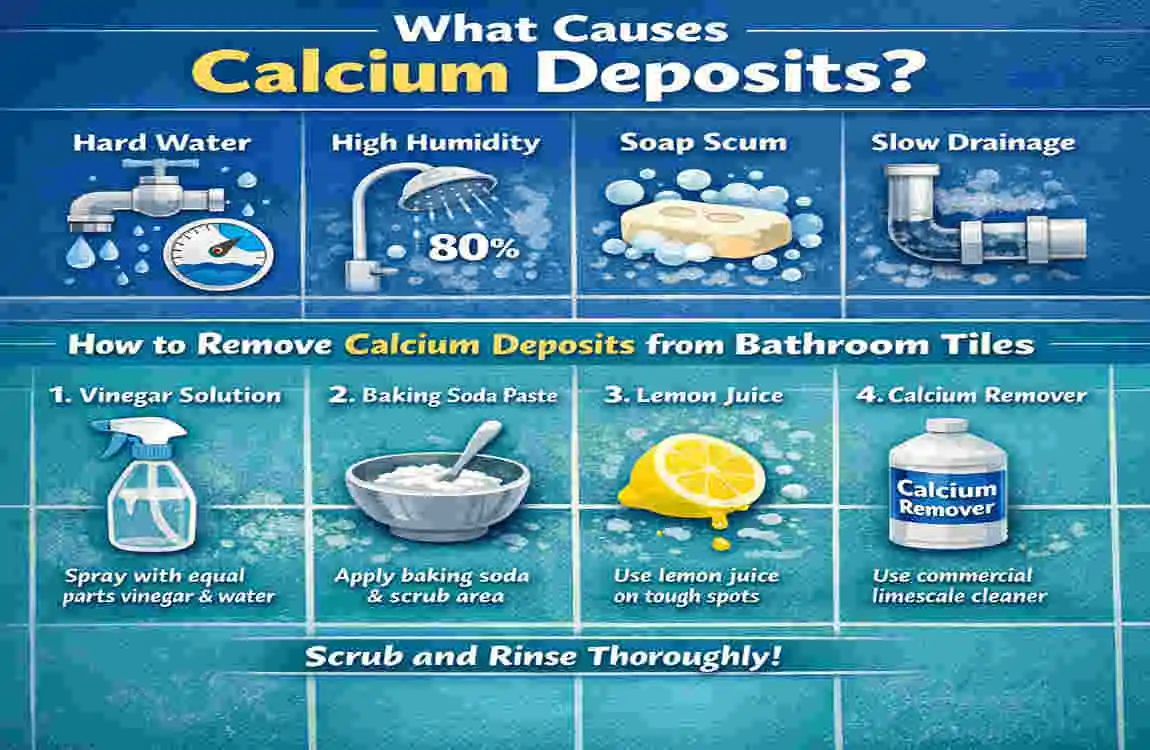
So, you’ve met the enemy. It’s white, crusty, and lives in your kettle. That’s calcium buildup—mineral crud with a serious attitude problem. It clogs your showerhead, ruins your coffee, and makes your faucets look like they’ve aged 50 years. But don’t worry. We’re going to dissolve this stuff like a science experiment gone deliciously right.
What even is this stuff?
Calcium buildup is basically rock candy you didn’t ask for. When hard water evaporates, it leaves behind calcium and magnesium minerals. They stick together like clingy exes, forming that grim, scaly layer. It’s the same stuff that makes stalactites in caves. Your sink is a mini-cave now. Enjoy that mental image.
The weapon: Acid, but the friendly kind
You don’t need toxic drain cleaner. White vinegar is your hero. It’s cheap, smells like pickles, and reacts with calcium to turn it into water-soluble calcium acetate. That’s science-speak for “it disappears.” Fun fact: Vinegar dissolves eggshells in 24 hours. Your showerhead doesn’t stand a chance.
Must Read
Step 1: The Soak of Victory
For your showerhead, fill a plastic bag with white vinegar. Tie it around the head with a rubber band. Let it soak overnight. While you sleep, the vinegar throws a tiny acid party. Mineral deposits will weep. In the morning, rinse with water. Done. Your water pressure will whoosh back like a happy sigh.
Step 2: The Kettle Rescue
Got a whistling kettle that sounds sad? Fill it with equal parts water and vinegar. Boil it. Let it sit for 20 minutes. The white flakes will float to the top like defeated icebergs. Pour it out, rinse twice, and brew your coffee. No more chalky aftertaste. Your morning will thank you with a jolt of joy.
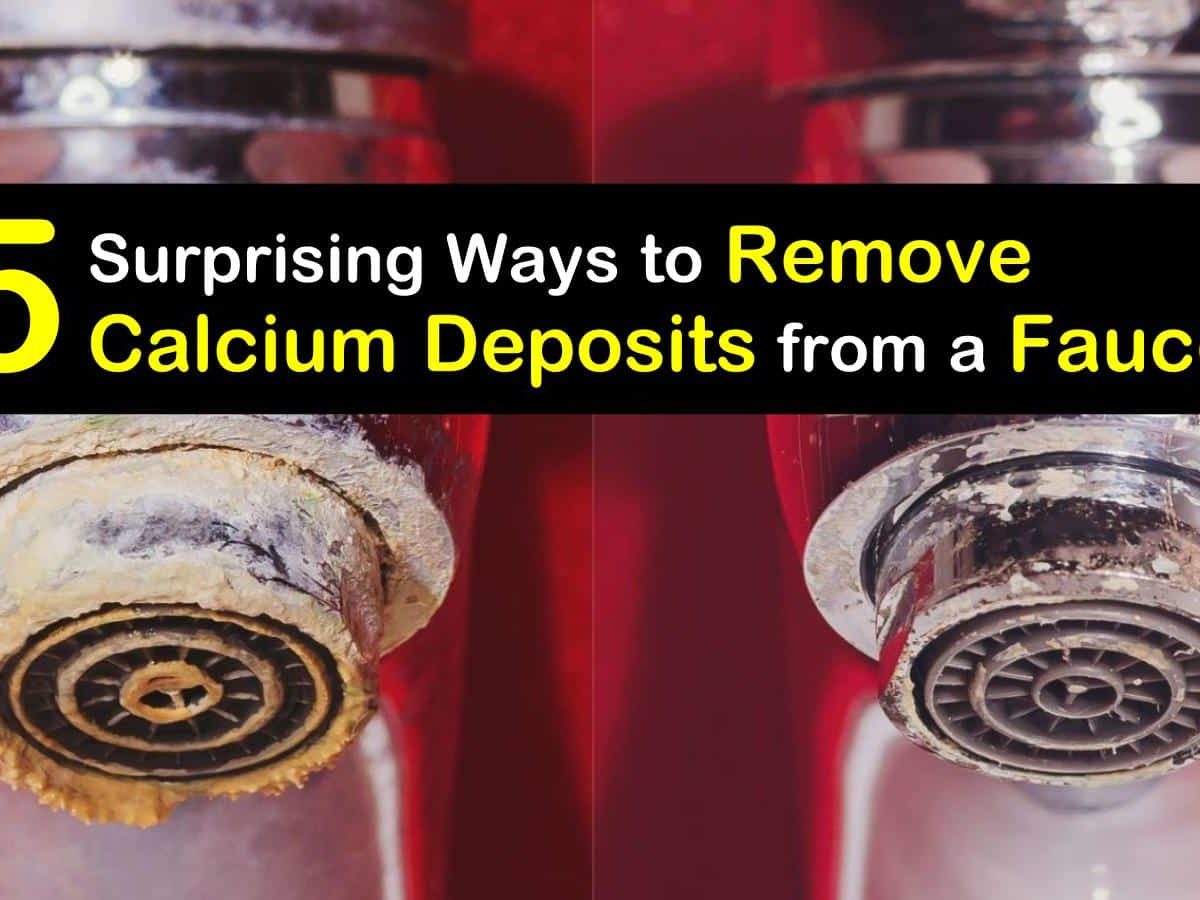 Formidable Tips About How To Get Rid Of Calcium Build Up - Suspectpermit
What about tough, ancient crust?
Sometimes calcium builds up like a medieval castle. For that, bring in citric acid powder. It’s the stuff in sour candies and lemon juice. Mix two tablespoons with a cup of warm water. Apply it to the crud with a sponge. Watch it fizz. That’s the chemistry of demolition. A pasty pumice stone can scrub off the last stubborn bits—but only on ceramic. Never on shiny metal. You’ll scratch it into a sad, glittering mess.
Why is this fun to talk about?
Because it’s a chemical war where you win. You’re turning household acids into tiny demolition robots. Plus, you get to say “calcium acetate” at dinner parties. People will think you’re a wizard. Spoiler: You kind of are. And the best part? It costs pennies. No expensive sprays. No hazmat suits. Just vinegar and elbow grease.
Weird facts to impress your friends
Did you know calcium buildup can be a construction material? Ancient Romans used it to make concrete that lasts 2,000 years. Your faucet crud is related to the Pantheon. Also, the same process that clogs your pipes forms limestone caves. So when you dissolve it, you’re essentially time-traveling backwards. Deep, right? Or at least silly enough to distract you from scrubbing.
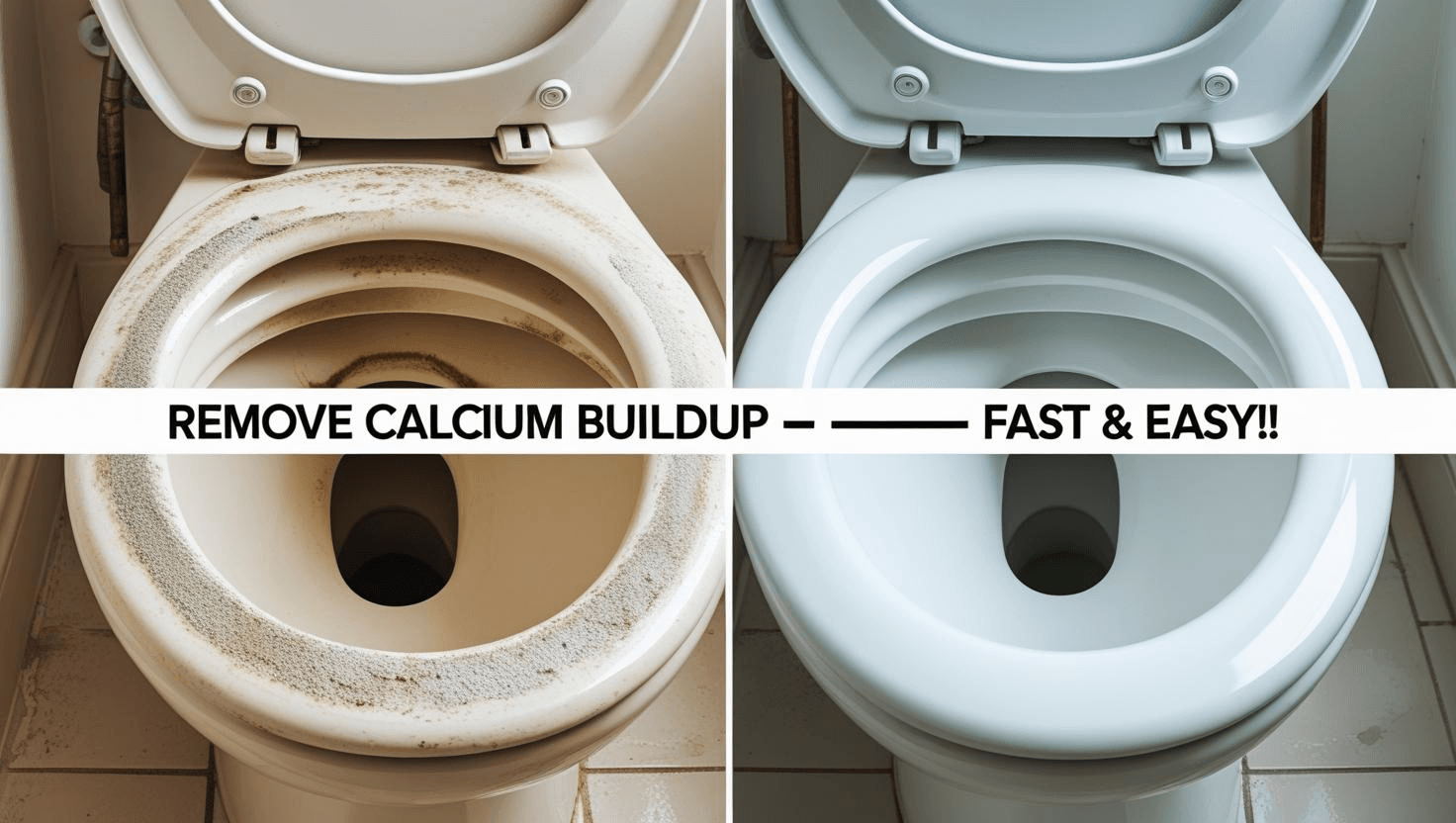 How to Remove Calcium Ring from Toilet: Easy DIY Solutions
Prevention—because laziness is a virtue
To avoid future buildup, dry your surfaces. Every time. A squeegee after a shower takes 10 seconds. That’s less time than you spend looking for your phone. Install a water softener if you’re fancy. Or use a filtered pitcher for your kettle. Calcium hates it when you plan ahead. It’s like denying it a home.
The big warning (don’t skip this)
Never mix vinegar with bleach. That creates chlorine gas—a chemical weapon from World War I. You’ll feel like a poisoned cartoon. Also, don’t use vinegar on marble or granite. It eats through them like a bad relationship. Stick to glass, metal, and ceramic. Know your enemy’s home turf. Then attack accordingly.
The final, triumphant flush
Now go look at your faucet. See that gleam? That’s victory. You’ve dissolved a mineral monster using pantry items. You’re a chemist, a warrior, and a person who now saves on bottled water. Bask in the glory. And when someone asks how your coffee tastes so good, just wink. Tell them you have a secret ingredient. It’s science. And it’s wonderfully, deliciously acidic.
