How To Clean Water For Drinking

Let’s be honest—nothing ruins a good mood like realizing you’re thirsty and your only option is a puddle. But here’s the fun secret: with a little know-how, you can turn murky...
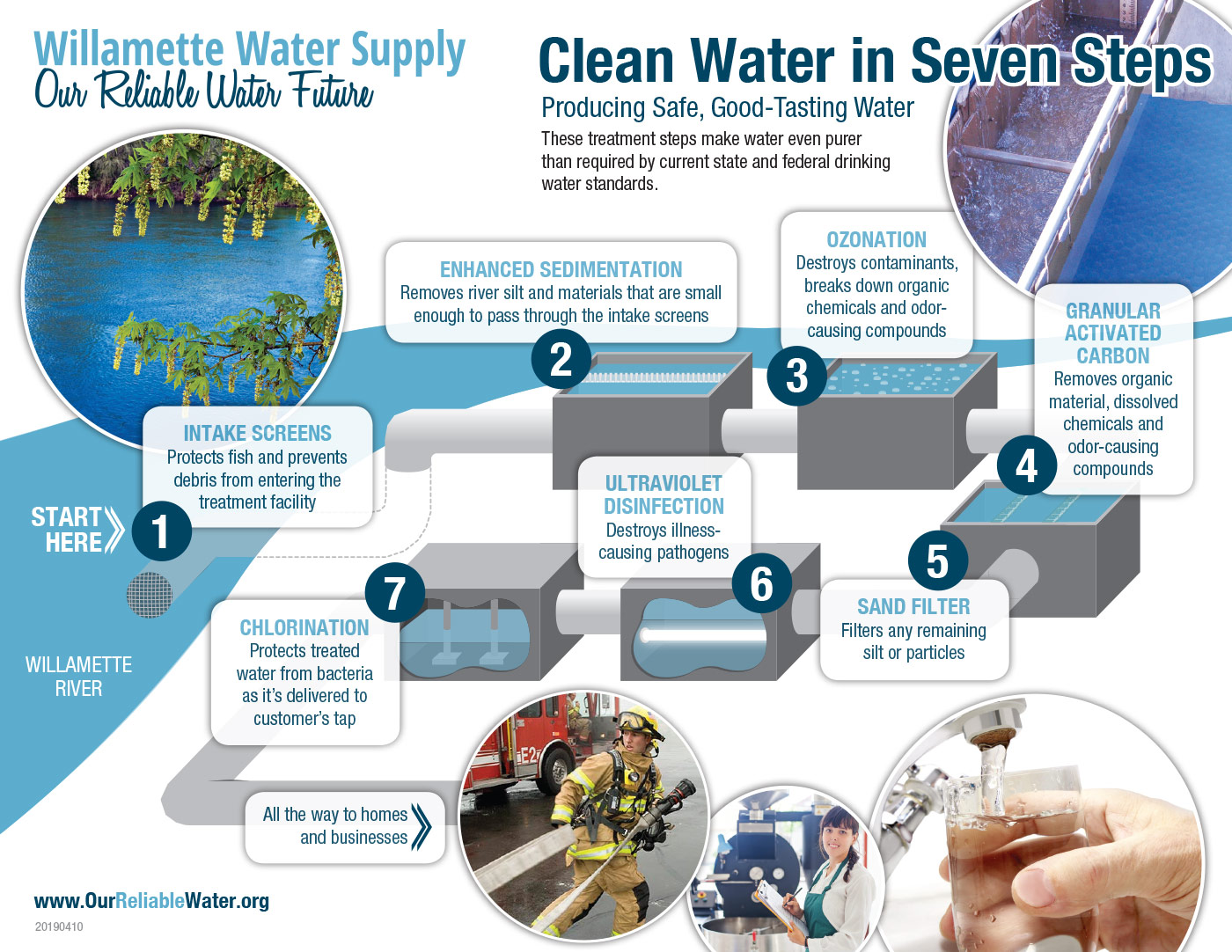
Let’s be honest—nothing ruins a good mood like realizing you’re thirsty and your only option is a puddle. But here’s the fun secret: with a little know-how, you can turn murky, questionable water into something crystal-clear and safe. Yes, you can become your own water wizard. And the best part? It’s not just for survivalists or wilderness experts—it’s a skill that makes you feel unexpectedly awesome.
Why Bother? (Spoiler: It’s a Party Trick for Life)
Imagine knowing that no matter where you are—a camping trip, a power outage, or a garden hose emergency—you can confidently drink the water. That’s freedom. It’s also a great way to impress your friends (and yourself) with a practical superpower. Plus, you’ll never panic at a broken faucet again—you’ll just smirk and reach for your filtering skills.
So let’s dive into three simple, effective methods. Fair warning: you might start looking at muddy streams and thinking, “Challenge accepted!”
Must Read
Method #1: Boiling — The Old Reliable
If you have a heat source and a pot, you’re already 90% of the way there. Boiling water for at least one minute kills bacteria, viruses, and parasites—even at high altitudes, bump it to three minutes. It’s like giving your water a spa day that disinfects it thoroughly.
The downside? It won’t remove dirt, chemicals, or bad taste. So if your water looks like weak tea, you’ll want to pre-filter it through a cloth or coffee filter first. Pro tip: pour it back and forth between two cups after boiling to add oxygen—it makes it taste less flat.
Method #2: Filters — Your Portable Superhero
Think of a water filter as a tiny bouncer for water. It physically blocks out bacteria, protozoa, and sediment. You can buy a simple camping filter for under $30, or even build a DIY version with a plastic bottle, sand, charcoal, and gravel (yes, really—look it up).
For a quick, no-gear hack, use a clean bandana or T-shirt. It won’t catch germs, but it’ll stop chunks and make the sun-step (method #3) work better. Filters are perfect when you want clear water without waiting for a kettle to boil.
 5 Easy and traditional ways to get clean drinking water
Method #3: Sunlight — Because the Sun Loves You
Meet SODIS (Solar Water Disinfection). Fill a clear plastic bottle with water, shake it to aerate, then leave it in direct sunlight for six hours. The UV rays kill most pathogens—it’s like a tanning bed for dangerous microorganisms.
This works best on a bright, sunny day. Cloudy? Leave it for two days. It’s ridiculously simple and costs zero energy. You can even do this on a windowsill if you’re indoors. Suddenly, that sunny afternoon becomes a science experiment that saves the day.
When Things Get Gross: Chemicals
Got iodine or chlorine tablets? They’re lightweight and effective for hiking. Add a few drops, wait 30 minutes, and the water is drinkable. Yes, it tastes a little like a swimming pool. But you can improve the flavor by adding a pinch of vitamin C powder (or lemon juice) after the waiting time.
Just note: these don’t kill all parasites (like cryptosporidium), so they’re a backup, not a first choice. But for emergencies, they’re absolute lifesavers.
 EPA-DW-how-we-clean-our-water-and-make-it-safe-to-drink - Catchments.ie
Putting It All Together: The Dream Team
Want the gold standard? First, pre-filter through a cloth to remove grit. Then boil it to kill germs, or use SODIS if you’ve got sun. Finally, let it cool and filter again through charcoal (from a fire, crushed) to remove taste. Bam—clean, delicious water.
You can even get fancy: store your purified water in a clean, dark container with a wide mouth. That’s amateur victory right there. And you did it.
The Uplifting Finale: You’re More Capable Than You Think
Here’s the beautiful truth: your survival instinct is already in you. Cleaning water is just a way of reminding yourself that you can handle messy situations—and make them clean, safe, and even fun. Every sip from your filtered bottle is a little celebration of resourcefulness.
So go ahead—practice this skill on a backyard bucket of rainwater. Try boiling a pot just to see how clear it gets. You’ll feel a spark of pride, and you’ll be prepared for life’s unexpected moments. Because when you can turn a muddy mess into a refreshing drink, you’re not just cleaning water—you’re redefining what’s possible. Now, go get curious. Your next adventure is waiting.
