Does Tap Water Have Salt In It

You’re standing in the kitchen, glass under the faucet, and a random thought pops into your head: Does tap water have salt in it? Maybe you just tasted something a little off,...
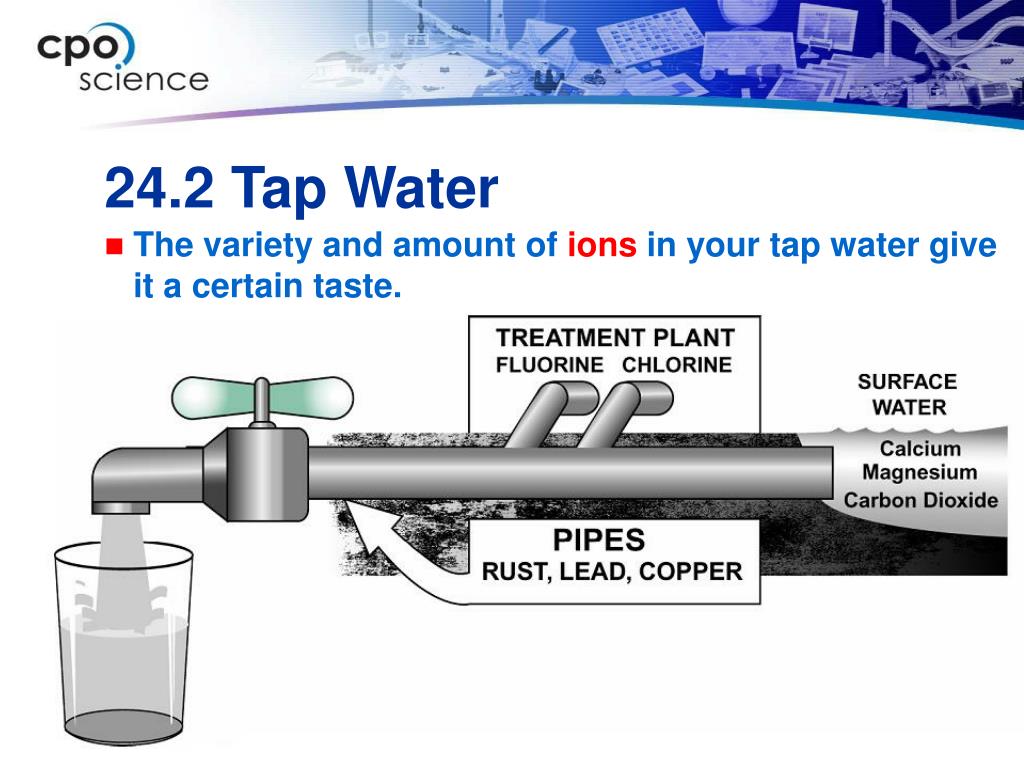
You’re standing in the kitchen, glass under the faucet, and a random thought pops into your head: Does tap water have salt in it? Maybe you just tasted something a little off, or you’re wondering if your morning hydration is secretly adding sodium to your day. Let’s be real—this isn’t the kind of question you’d ask at a dinner party, but it’s one that actually touches your everyday life more than you’d think.
Here’s the short answer: yes, tap water usually has a tiny bit of salt in it, but it’s almost never enough to worry about. Think of it like the sprinkle of salt that accidentally falls into your coffee—it’s there, but you’d never taste it unless you’re a super-taster with a microscope. The salt in your tap water mostly comes from natural minerals like sodium and chloride that dissolve as water travels through rocks and soil.
Imagine your water is taking a long road trip underground. On its journey, it picks up little souvenirs—minerals, tiny bits of calcium, and yes, some sodium. That’s why mountain spring water often has a slightly different flavor than city tap water; it’s just the local “souvenirs” from the ground. Most tap water in the U.S. has between 20 and 100 milligrams of sodium per liter, which is less than the salt in a single potato chip.
Must Read
So, Should You Care?
For 99% of us, the answer is a relaxed nah, not really. Your body needs a little sodium to function, and the tiny amount in tap water is like a friendly wave from a passing car—harmless and barely noticeable. But if you’re someone who has to watch your salt intake very closely, like if your doctor mentioned low-sodium diet, then this can become a little more interesting.
Here’s where a little story helps. My aunt Margaret is on a strict low-sodium plan for her blood pressure. She was shocked to learn that her morning glass of tap water and her daily iced tea might add up over a whole day. It’s not a huge deal, but for her, every milligram counts—kind of like picking pennies off the sidewalk. The American Heart Association notes that if you drink two liters of tap water a day, you might get around 40–100 mg of sodium, which is about the same as eating a handful of plain almonds.
What About Softened Water?
Now, this is where the conversation gets a little juicy. If your home has a water softener, you might be drinking significantly more salt without realizing it. Water softeners work by swapping hard minerals like calcium and magnesium for sodium. It’s like trading your hard, scratchy wool sweater for a comfy cotton one—but that cotton comes with a salty price.
 Does Tap Water Have More Minerals Than Filtered Water at Bessie Humble blog
My neighbor Dave installed a softener because his water was so hard it left white spots on his glasses. He drank the softened water for months, feeling fine, until his doctor noticed a slight uptick in his sodium levels. Turns out, softened water can contain 20–60 mg more sodium per glass compared to regular tap water. That’s not a crisis, but if you’re like Dave and drink six glasses a day, it adds up to a small handful of pretzels over a week.
The fix is simple and kind of nice: install a reverse osmosis system or a separate tap for drinking water that bypasses the softener. Or, just keep a pitcher of tap water in the fridge—the cold temperature masks any mineral taste, and your body barely registers the sodium. Plus, it feels fancy, like you’re at a spa, not your kitchen counter.
Why You Should Actually Care (in a Fun Way)
Knowing about salt in your tap water is like knowing the secret ingredient in your grandma’s famous soup—it’s not about freaking out; it’s about being curious. It helps you understand why water tastes different in different cities. When you travel and complain that the local water tastes “funny,” it’s often just the local mineral mix (including a bit of salt) playing tricks on your tongue.
 Blue Ice - Salt Water versus Tap Water - YouTube
It also lets you be the cool, knowledgeable friend. Next time someone says, “I only drink bottled water because tap has too much salt,” you can smile and say, “Actually, most bottled water is just tap water with a fancy label—and some brands have more sodium than your kitchen faucet.” (It’s true: some brands of “spring water” have up to 250 mg of sodium per liter. Check the label if you don’t believe me.)
Here’s the bottom line, and I’ll keep it short: tap water is safe, healthy, and has only a whisper of salt. Unless you have a specific medical condition, the salt in your water is like the background music in a coffee shop—it’s there, but you’re not dancing to it. Your body handles it effortlessly.
So go ahead, fill your glass. Let the water run until it’s cold. Take a sip and smile, knowing that a little sodium is just part of the planet’s recipe. And if you’re still worried? A quick check with your local water utility’s annual report will tell you exactly how much sodium is in your tap water. It’s free, it’s public, and it’s much more fun than you’d expect—like reading the trivia on a cereal box, but for grown-ups.
In the end, the answer is simple: yes, tap water has a bit of salt, but no, it’s not something to lose sleep over. It’s just one more tiny, fascinating detail in the everyday miracle of clean water flowing into your home. Now, cheers to that—and go enjoy your next glass without a second thought.
