Does Vinegar Remove Lime Scale

Have you ever stared at a cloudy kettle or a faucet covered in white crust and wondered, “Can I just pour vinegar on that?” You’re not alone. Lime scale is that stubborn, chal...
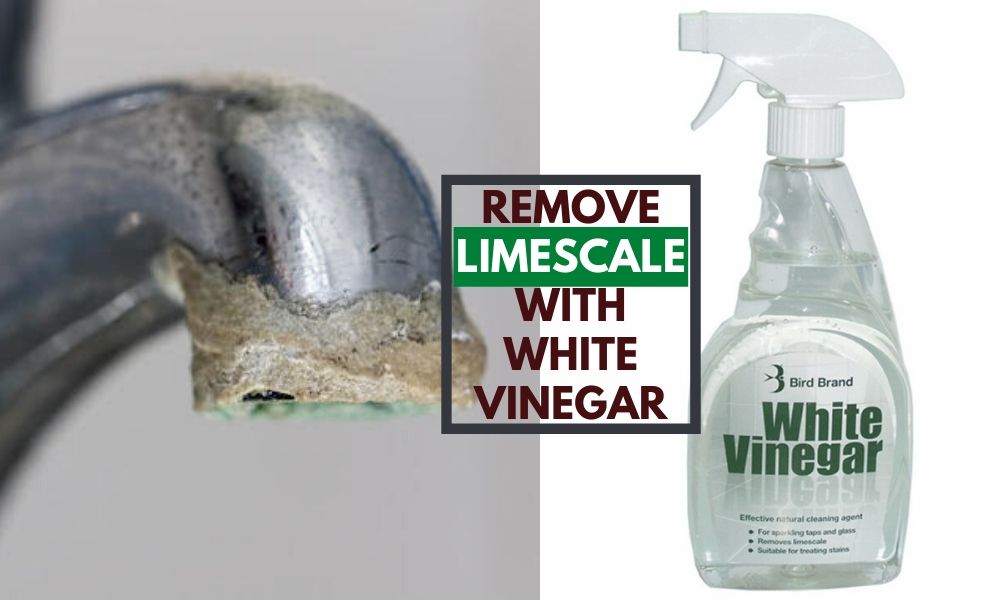
Have you ever stared at a cloudy kettle or a faucet covered in white crust and wondered, “Can I just pour vinegar on that?” You’re not alone. Lime scale is that stubborn, chalky villain that shows up uninvited in your coffee maker, showerhead, and even your toilet bowl. But here’s the cool part: vinegar is like a secret agent for cleaning, and it might just be the hero you need.
Let’s get one thing straight: vinegar is mostly acetic acid. That’s the magic ingredient. Lime scale, on the other hand, is made of calcium carbonate—basically the same stuff as seashells or limestone. So when you mix an acid with a base, something interesting happens: a chemical reaction that fizzes and dissolves the scale. It’s like a tiny science experiment right in your sink.
So, does it actually work?
Short answer: Yes, vinegar is surprisingly effective at removing lime scale. You don’t need expensive store-bought cleaners or harsh chemicals. Just grab that bottle of white vinegar from your pantry. The acidity breaks down the calcium bonds, making the crust turn into a slushy mess you can rinse away.
Must Read
But here’s where it gets fun—and a little weird. Vinegar works best when you give it time. Think of it like marinating chicken: you wouldn’t expect a two-second dip to make it tender, right? Same deal with lime scale. Soak your showerhead in a bag of vinegar overnight, and by morning, it’s like you bought a new one.
What about the smell?
Okay, let’s be real: vinegar smells like a salad dressing factory exploded. But that odor is a sign it’s working. Plus, it fades quickly once you rinse with water. Pro tip: add a few drops of lemon or orange essential oil to the vinegar if the scent bugs you. Suddenly, your kitchen smells like a fancy restaurant, not a pickle jar.
You might be thinking, “Does it work on everything?” Well, not quite. Vinegar is awesome for glass, metal, and ceramic surfaces, but be careful with natural stone like marble or granite. The acid can etch those surfaces and leave dull spots. So stick to using vinegar on your kettle, faucets, and coffee maker—where it really shines.
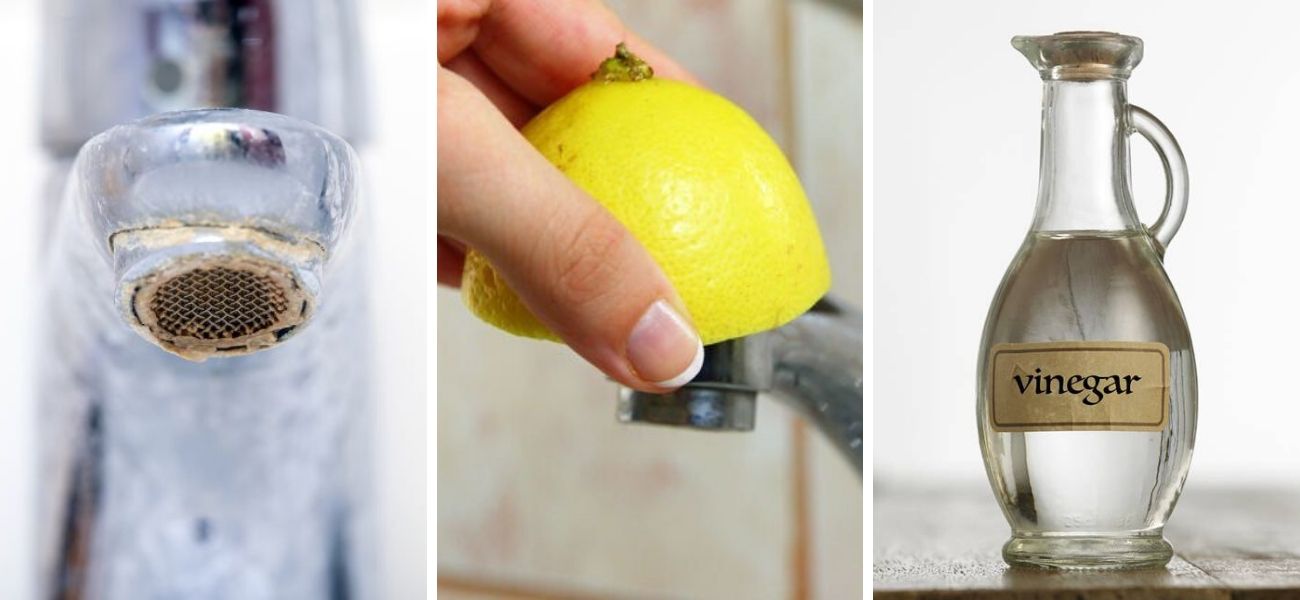 Does White Wine Vinegar Clean Limescale at Anthony Bohnsack blog
Why is this so cool?
Think about it: you’re using kitchen ingredients to fight household grime. It’s like having a superpower you didn’t know you had. Vinegar is cheap, non-toxic, and biodegradable. No crazy chemical fumes, no plastic bottles piling up in the trash. It’s the eco-friendly ninja of the cleaning world.
And let’s talk about that satisfying moment. You know the one—when you see the white crust bubble and fizz as the vinegar hits it. It’s like watching a lava lamp, but for adults. Honestly, it’s oddly therapeutic. You’re not just cleaning; you’re babysitting a tiny chemical reaction.
But what if the scale is really thick?
Good news: vinegar can handle tough jobs, but you might need to repeat the process. For a kettle, boil a mixture of equal parts vinegar and water, let it sit for an hour, then rinse. If that doesn’t cut it, try undiluted vinegar. Think of it as leveling up your cleaning game—like going from easy mode to expert.
 3 Ways to Remove Limescale - wikiHow
Another hack? Combine vinegar with baking soda for a fizzy, two-step attack. The baking soda creates bubbles that loosen the scale, then the vinegar dissolves what’s left. It’s like a foam party for your sink—messy but effective.
So, is vinegar a miracle cure for lime scale? Not exactly, but it’s pretty darn close for most household jobs. It’s cheap, simple, and makes you feel like a mad scientist. Plus, you can still use the same bottle to make salad dressing afterward—just don’t mix up your bottles!
Next time you see that white crust creeping up your faucet, grab the vinegar. Let it sit, watch the magic happen, and take a moment to appreciate how a simple pantry staple can outsmart something as stubborn as lime scale. It’s not just a cleaner; it’s a conversation starter. And honestly, isn’t that way more interesting than scrubbing with bleach?
