Does Brita Filters Remove Pfas

Hey friend, grab your mug. Let’s talk about water. Specifically, the kind that comes out of your tap and maybe worries you a little. You know, that kind. You’ve probably heard...
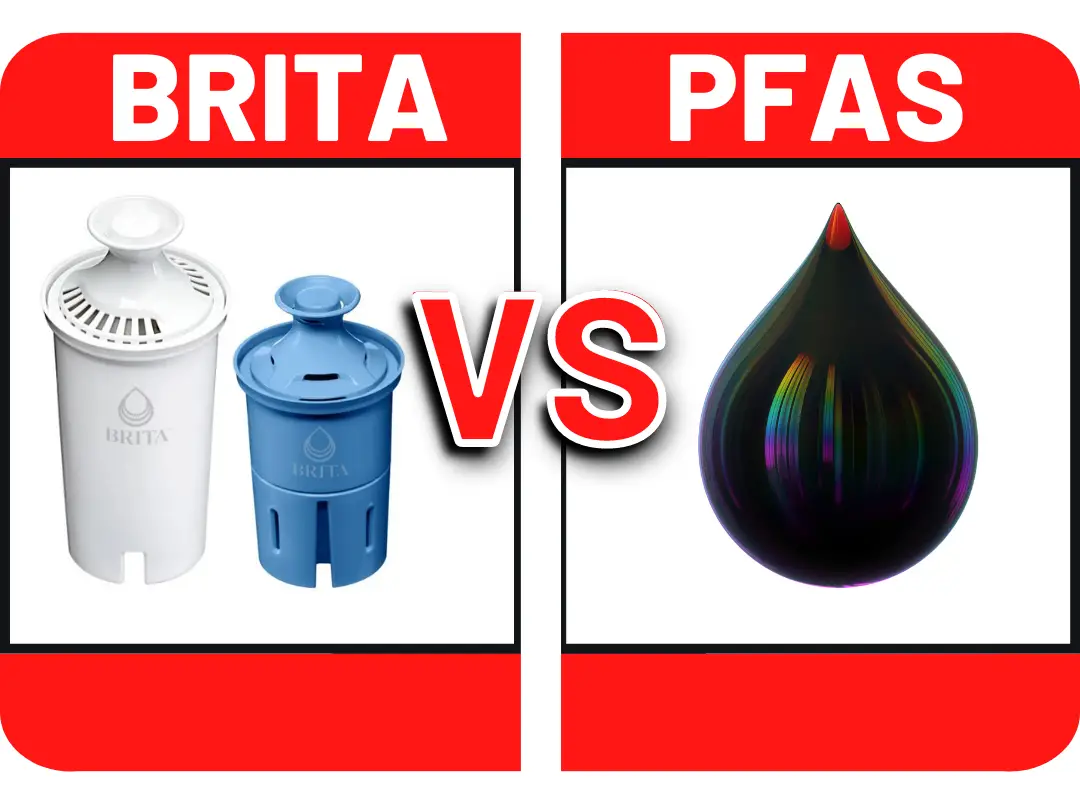
Hey friend, grab your mug. Let’s talk about water.
Specifically, the kind that comes out of your tap and maybe worries you a little. You know, that kind.
You’ve probably heard the scary buzzword lately: PFAS. Sounds like a typo for a cough drop, right? Actually, it stands for per- and polyfluoroalkyl substances. Basically, they’re “forever chemicals.” They’re in everything—non-stick pans, rain jackets, and probably your grandmother’s old couch.
Must Read
So, Does Your Little Brita Pitcher Save the Day?
Short answer? Sort of. But let’s get real, it’s complicated. Brita filters are amazing for making tap water taste less like a swimming pool. They tackle chlorine, bad smells, and even some lead. But PFAS are a different beast.
Most standard Brita pitchers—the ones with the classic white filters—are not designed to zap PFAS. They use activated carbon (fancy charcoal), which catches some big particles. But those tiny forever chemicals? They can giggle and slip right through.
Don’t go sad-sipping your tap water just yet, though.
The Good News: Brita Brushed Up in 2021
Here’s where I get to actually cheer. In 2021, Brita introduced a new line: Brita® Elite™ filters. These are the ones that are certified to reduce PFAS. Yes, you read that right. Certified.
The Elite filters are made with a special blend of carbon and ion exchange resin. That resin acts like a tiny bouncer at a club, grabbing those PFAS molecules before they can party in your glass. So, if you have the right Brita, you’re not totally defenseless.
But here’s the catch—and there’s always a catch, isn’t there? Not every Brita filter is an Elite filter. The standard ones? Still just chlorine-taming heroes. Not PFAS-fighting superheroes.
 Do Brita Filters Remove PFAS? A Comprehensive Guide – Alkaline Pitcher
How Do You Know Which One You Own?
Check the box. No, really. Look for the words “Elite” or the label that says “Reduces PFAS.” It’s usually printed in bold. If you see a standard “Brita” (without the fancy title), it’s likely the older tech.
Also, look at the color of the filter top. Elite filters often have a different shape or indicator. But don’t trust me—flip the package over. The fine print is your friend.
So, if your Brita is from 2019 or earlier, it’s probably a nostalgia filter for better water, not safer water. You might want to upgrade.
The Fine Print: It’s Not Perfect
Even with an Elite filter, you’re not getting a 100% PFAS-free zone. Brita’s own testing shows they reduce PFAS by about 99% in some tests. That’s impressive! But remember: forever chemicals are stubborn.
Also, your sink water varies. If you live near a factory or a military base, the PFAS levels could be high—like, really high. A Brita might still help, but it’s like using a water balloon to stop a tsunami. You might need something stronger, like a reverse osmosis system. But that’s a whole other coffee chat.
Oh, and one more thing: change your filter regularly. A clogged, old filter is useless. It’s like trying to mop your floor with a dirty mop. Get the picture?
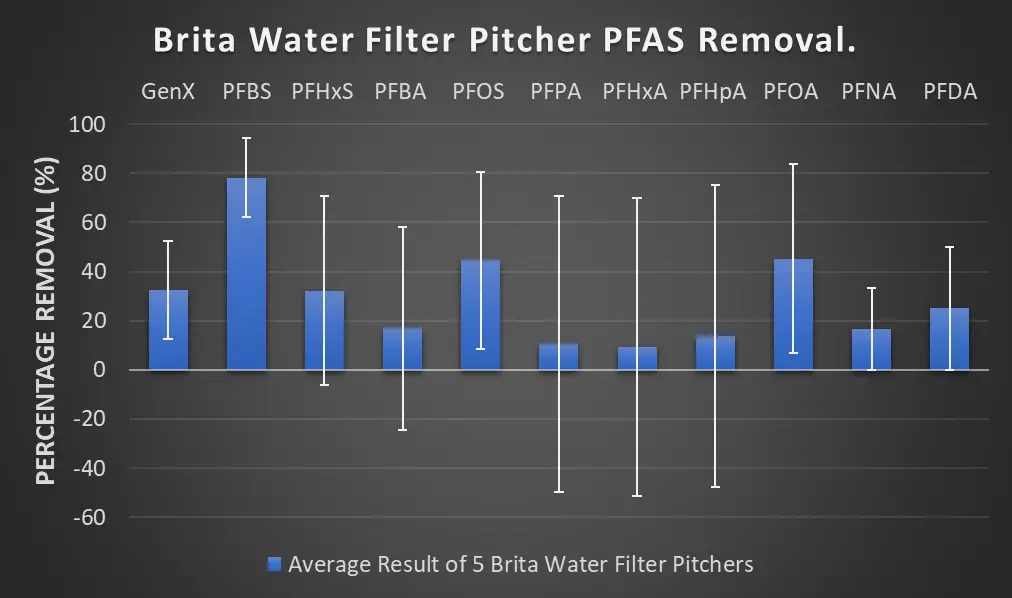 Brita Filters And PFAS Removal - With Laboratory Testing - Water
What About the Pitcher vs. the Faucet Mount?
Great question! The faucet-mounted Britas (the ones that screw onto your tap) use similar technology. The Elite faucet models do reduce PFAS. But again, only the ones with the Elite label. The generic faucet version? It’s just a fancy tap extension for taste.
If you’re serious about PFAS, skip the standard pitcher and go for the Elite. Or, honestly, invest in a dedicated under-sink filter. But that’s a bigger commitment. Like getting a pet, but for your kitchen.
The Bottom Line (Pour Another Cup)
So, does a Brita filter remove PFAS? Yes, but only if you’re using the right one. The standard Brita? Nope. The Elite? Big thumbs up.
Don’t panic. Don’t throw your Brita out the window. Just check the box, maybe upgrade to an Elite filter, and change it on time. You’ll be drinking safer water, and you’ll still get that crisp, clean taste that makes you feel like a fancy spa-goer.
And hey, if all else fails, you can always move to a cabin in the woods with a spring. But then you’d have to deal with bears. That’s a whole different filter problem.
Cheers to not drinking forever chemicals. Now, finish your coffee. I’m thirsty too.
