Does Carbonated Soda Cause Gas

Let’s be honest: you didn’t crack open that can of soda because you were thirsty for facts. You wanted fizzy, sugary chaos in a can. But now, about twenty minutes later, your...
.jpg)
Let’s be honest: you didn’t crack open that can of soda because you were thirsty for facts. You wanted fizzy, sugary chaos in a can. But now, about twenty minutes later, your stomach sounds like a swamp full of angry bullfrogs. The question everyone’s too polite to ask: does carbonated soda actually cause gas? Spoiler alert: yes, but the story is weirder and funnier than you think.
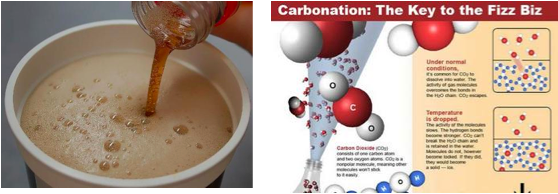
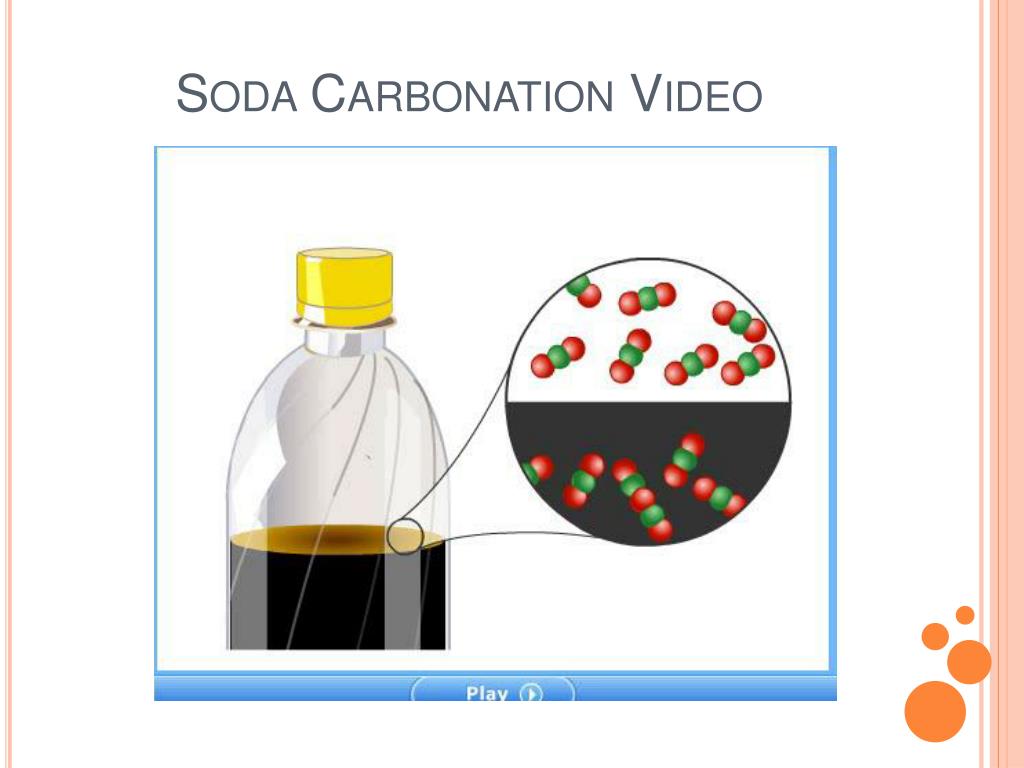
First, let’s get the obvious out of the way. Carbonation is literally pressurized carbon dioxide gas dissolved in liquid. When you pop that tab, you’re unleashing a tiny, thirsty storm. Drink it, and you’re basically swallowing a mouthful of tiny CO₂ bubbles that want to escape. Your stomach becomes their prison, and they will not go quietly.
Think of your belly as a balloon. You chug a soda, and poof—you’ve just inflated it with a pint of invisible gas. Your digestive system’s first move is to burp most of it out, which is nature’s way of saying, “Thanks, but no thanks.” But here’s the kicker: some bubbles sneak past the burp. They head south, into your intestines, where they throw a tiny rave.
Must Read
The Sweet, Sticky Sabotage
But wait—it’s not just the bubbles. Soda is also a sugar bomb. A single can of cola packs around 39 grams of sugar. That’s about ten teaspoons of the sweet stuff. Your small intestine can handle a modest amount, but when you flood it with rocket fuel, it waves a white flag.
The undigested sugar then travels to your large intestine. What lives there? A bustling metropolis of gut bacteria that love sugar. They throw a fermentation party, munching on that sweet junk and burping out gas as a thank-you. The result? Methane, hydrogen, and sometimes sulfur—which, yes, can smell like a forgotten gym sock.
And here’s a surprising fact: diet soda isn’t off the hook. Sugar substitutes like sorbitol and aspartame are indigestible by humans but delicious to your gut microbes. They’ll feast on those, too, producing the same gaseous symphony. You’re not saving your dignity by picking “zero sugar”; you’re just changing the band’s playlist.
The Great Bubble Escape
So how much gas are we talking? In one study, people who drank carbonated water had four to six times more burps than those drinking still water. But the real troublemakers are the farts. A single can of soda can increase intestinal gas volume by about 50%. That’s like adding a small, invisible beach ball to your gut.
 Carbonation - Soft Drink Chemistry
But here’s the twist: swallowing air while chugging is a bigger culprit than the bubbles themselves. When you chug a soda, you gulp down air along with the fizz. That atmospheric oxygen and nitrogen don’t get absorbed—they just loiter in your guts until you politely (or loudly) show them the door.
Then there’s the carbonation speed effect. Cold sodas hold more CO₂, so the bubbles are denser. Drink it fast, and you’re basically injecting a fire extinguisher into your belly. The pressure builds, and eventually, your body screams, “Let me out!” in a series of muffled explosions.
Fun Facts to Fart About
Did you know that human farts are about 59% nitrogen, mostly from swallowed air? That means your soda burps are actually more concentrated than your farts. The bubbles you burp are mostly pure CO₂, while the ones you pass are a party mix of gases. Pro tip: don’t analyze this too closely at brunch.
Another fun fact: temperature matters. Warm soda fizzes more because CO₂ escapes faster from warm liquid. So that flat, warm soda from your car cupholder? It’s actually less gassy—but infinitely more disappointing. Choose your battles.
 PPT - Chapter 12 SOLUTIONS PowerPoint Presentation, free download - ID
And for the brave: carbonated soda can sometimes cause “gastric distension”—a fancy way of saying your stomach looks like you swallowed a volleyball. It’s temporary, but it can make your jeans feel like a medieval torture device. Blame the bubbles, not the brownie.
Should You Quit Soda Forever?
Look, unless you’re about to give a eulogy in a quiet chapel, you don’t have to quit. But if you’re prone to bloat, try this: drink your soda slowly over a few minutes instead of inhaling it. Use a straw? Bad idea—straws make you swallow even more air. Drink from the can or a wide-mouth glass.
Also, beware of the “soda with a meal” trap. Carbonation slows stomach emptying, so the gas hangs around longer. Plus, mixing fizzy drinks with beans, broccoli, or other fiber bombs is like inviting a chain reaction to your colon. Your gut will write you a strongly worded letter.
And here’s a final, shocking truth: your body eventually absorbs some of the CO₂. About a third of those bubbles get absorbed into your bloodstream, then exhaled via your lungs. So technically, part of your soda leaves as breath. That’s right—you’re carbonating your own blood, like a fizzy human.
So, does carbonated soda cause gas? Absolutely. But now you know the secret: it’s not just the bubbles—it’s the sugar, the air you swallow, and the party your gut bacteria throw. Next time you feel that rumbling, just smile. You’re not bloated—you’re a science experiment. And a hilarious one at that.
.jpg&description=Does+Carbonated+Soda+Cause+Gas)