What Does A Charcoal Filter Do

You know that black, crumbly-looking brick inside your water pitcher or fish tank filter? That thing? It looks like a burnt and abandoned piece of charcoal from a sad camping...
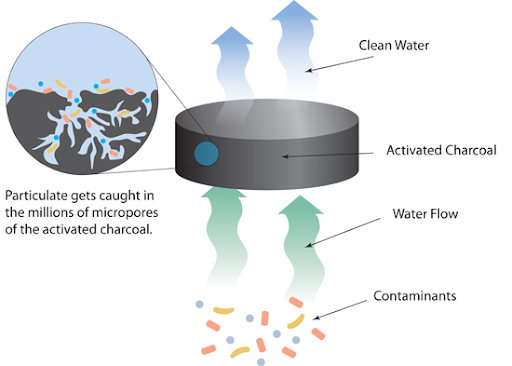
You know that black, crumbly-looking brick inside your water pitcher or fish tank filter? That thing? It looks like a burnt and abandoned piece of charcoal from a sad camping trip. But don’t let its tragic appearance fool you; this stuff is basically a microscopic bouncer for your drink. It’s activated charcoal, and it’s the unsung hero of “not drinking weird stuff.”
So, what does a charcoal filter actually do? Imagine a sponge that has a grudge against smelly molecules. Charcoal is incredibly porous—if you took a single gram of it and unfolded all its nooks and crannies, they’d cover an area larger than a football field. That’s a lot of surface area to catch unwanted party crashers.
This process is called adsorption (with a ‘d’, not to be confused with the ‘absorption’ of a paper towel). It’s a fancy way of saying “grabby.” The charcoal molecules have a weird magnetic-like attraction to certain impurities—like chlorine, bad tastes, and funky odors. The bad stuff basically gets handcuffed inside the charcoal’s cave system and never sees the light of day again.
Must Read
What Charcoal is Actually Yelling at the Rascals to Leave
Your tap water often smells like a swimming pool’s drunk uncle because of chlorine. Charcoal is chlorine’s arch-nemesis. It waves a microscopic cape and snatches that chlorine right out of the water, leaving you with a neutral, just-wet taste. Thank you, carbon crusader.
It also goes after volatile organic compounds (VOCs)—which sounds like a sci-fi villain. "Mwa ha ha, I am a Volatile Organic Compound, and I will make your water taste like a band-aid!" Yeah, charcoal says “not today, bud” and traps them. It’s particularly good at grabbing pesticides, industrial solvents, and the ghost of whatever was stored in a plastic bottle before you.
But here’s the thing that surprises everyone: charcoal does not remove everything. It won’t touch dissolved minerals like calcium, magnesium, or fluoride. It’s not a miracle worker against lead or heavy metals (unless the filter says “catalytic” or adds special resins). It’s the VIP roped-off section for big, stinky molecules, but the harmless mineral dust can still walk right in.
The Charcoal Filter’s Secret Weakness: It Gets Lazy
Here’s the tragic flaw in our carbon hero: it fills up. Eventually, all those microscopic bouncers get tired. The handcuff spaces get full of chlorine and bad-taste goblins. Once it’s packed, guess what happens? It starts to “release” some of that nasty stuff back into your water. That’s why you have to replace the filter, even if you haven't used it much.
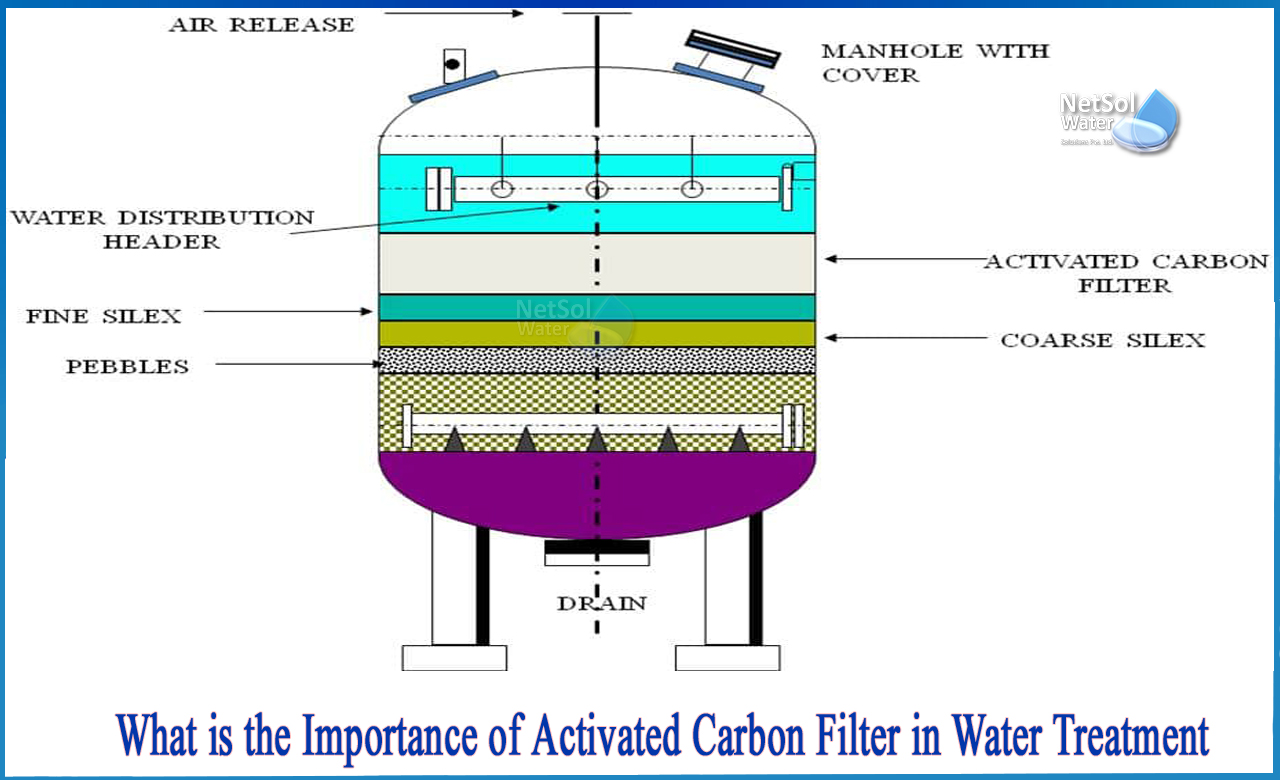 How To Make A Charcoal Filter
Think of it like a rental car’s ashtray from the 1980s. At first, it just holds the ash. But after thirty packs of cigarettes, the ash pile gets so big it starts spilling back into the car. Your dirty charcoal filter is that overflowing ashtray. Change it! Or you’re basically drinking the filtered version of stale regrets.
Oh, and a weird fact for your next party: the same stuff in your water filter is used in hospital poison control. If someone swallows a toxin, doctors will often feed them a slurry of activated charcoal. It adsorbs the poison in their stomach before it gets into their blood. So technically, your fridge filter is a tiny poison-eating ninja in disguise.
But Is It Alive? Does It Have Opinions?
No, it’s just carbon. But it is made from some surprising origins. That black brick could have been a coconut shell, a piece of wood, or even coal. They “activate” it by heating it up to extreme temperatures with a gas that blasts holes into its structure. It’s basically charcoal that went through a tiny particle-physics explosion.
And here’s the kicker: charcoal can filter air, too. Those little pouches you see in sneakers or refrigerators? Same concept. The carbon is just sitting there, silently judging the bad smells. It’s like having a mute but very effective roommate who only deals with foul odors.
 Interesting facts
But don’t get tricked into thinking every black sponge is the same. Some are “carbon-impregnated” plastic, which is like hiring a security guard who just stands there and waves. For real filtering, you want “activated carbon block” filters—thick, dense, and actually working. Your average pitcher filter? That’s the carbon block’s clumsy cousin. It works, but slowly.
The Final Verdict: Good, but Not a Wizard
So, what does a charcoal filter do? It makes your tap water taste less like a hotel swimming pool and more like a mountain stream that a bear hasn’t used. It’s cheap, it’s effective, and it wins against smelly particles. It is not, however, a water purifier that makes radioactive sludge safe to drink. Sorry to burst your science-fiction bubble.
But for everyday grossness—that faint plastic taste, that weird earthy funk in summer tap water—charcoal is the king. It’s a lazy, snaggy, porous sponge that literally fights bad taste. Just remember to swap it out every two months, or you’ll be drinking back all the stuff it was supposed to catch. And nobody wants a glass of slightly used ashtray, even if it’s a fancy, magical ashtray.
Now, go drink your delicious, un-chemically-tasting water. You owe a thank-you to a piece of burnt coconut. And that, my friend, is peak modern alchemy.
