What Does Water Conditioner Do

Ever glanced at a water softener and thought, "Wait, is that the same as a water conditioner?" It's a common mix-up, like confusing a blender with a food processor. But the wa...
Ever glanced at a water softener and thought, "Wait, is that the same as a water conditioner?" It's a common mix-up, like confusing a blender with a food processor. But the water conditioner is its own cool, clever gadget, and it’s worth getting to know. So, what does it actually do, and why should you care?
It’s Not Just About Softening—It’s About Changing the Water
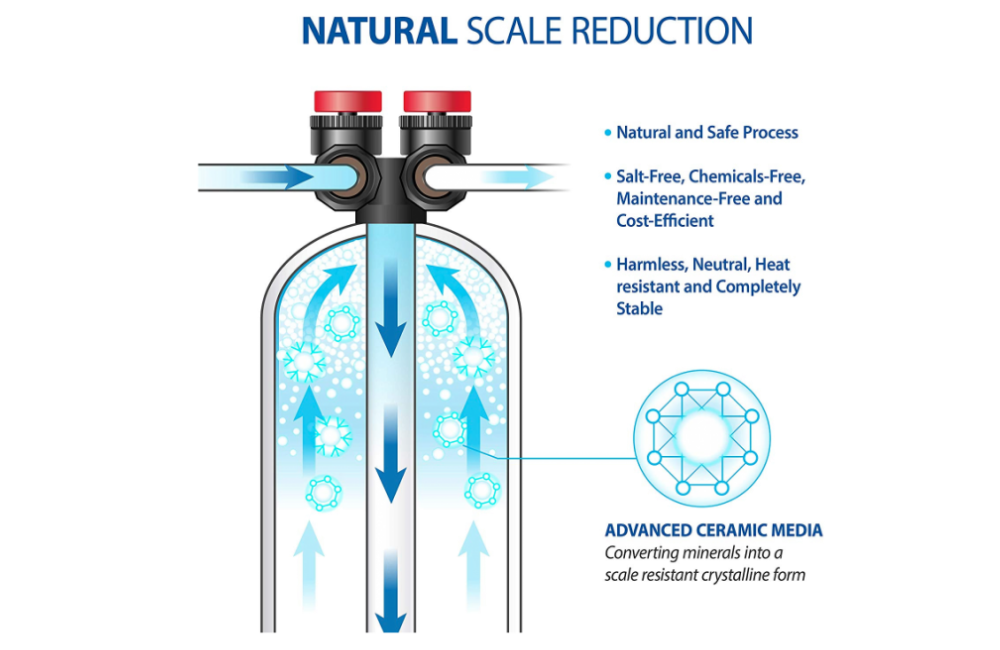
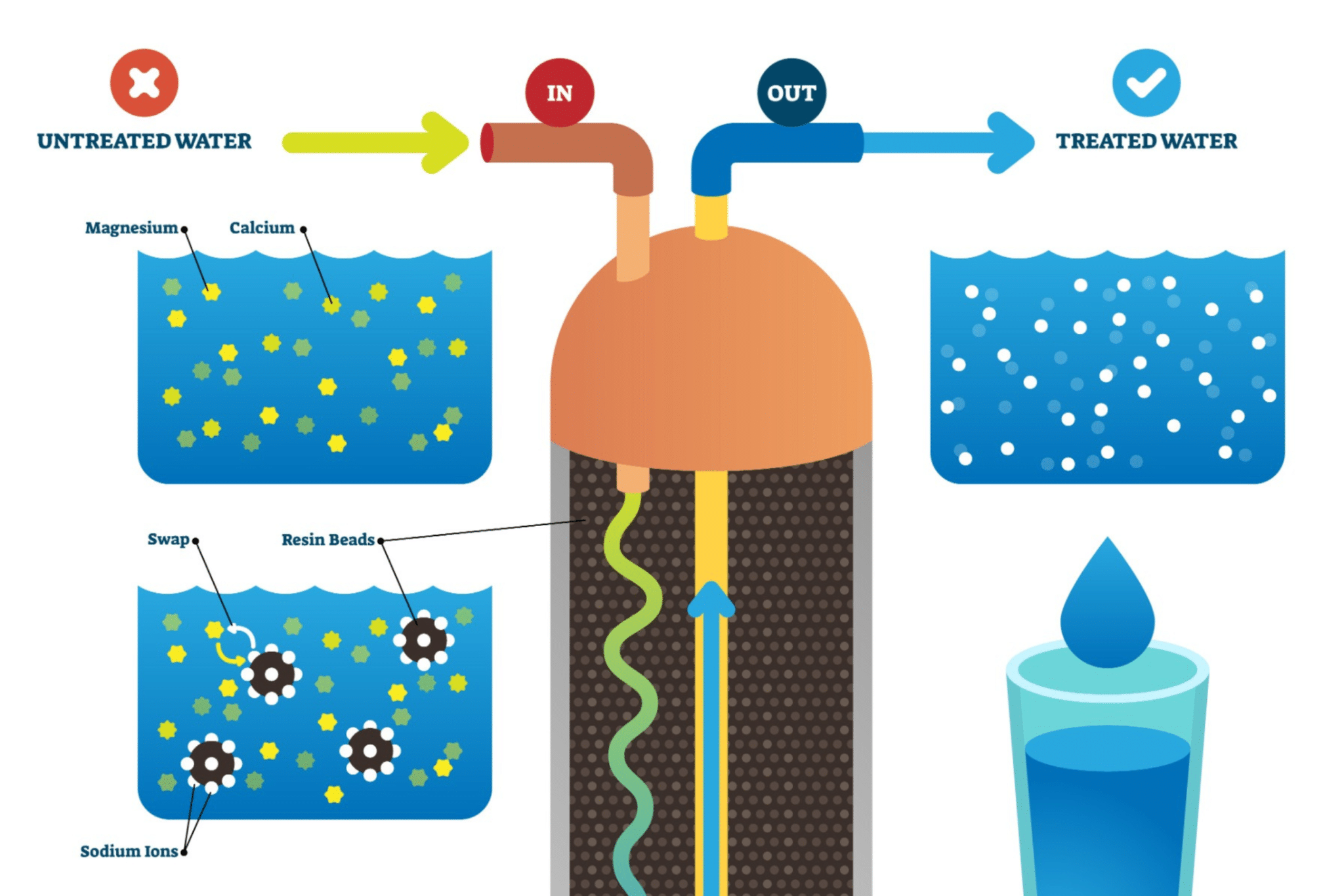
A water softener removes minerals like calcium and magnesium. A water conditioner, on the other hand, doesn’t remove them—it transforms them. Think of it like a magician who turns a sour lemon into sweet lemonade, rather than just throwing the lemon away. The minerals stay in the water, but they’re altered so they can’t form that annoying white scale on your faucets or cling to your showerhead.
How does it pull off this trick? It uses a process called template-assisted crystallization (TAC), or sometimes a magnetic or electric field. The minerals crystallize into tiny, harmless particles that just float through your pipes without sticking. It’s like giving the minerals a pair of roller skates so they glide right past your plumbing.
Must Read
Why That’s Actually Pretty Cool
Imagine your pipes as a highway. Scale build-up is like a bunch of slow trucks blocking traffic. A conditioner turns those trucks into speedy little scooters. The result? No scale, which means longer life for your water heater, less soap scum on your dishes, and smoother skin after a shower. It’s a win-win without the salty waste of a traditional softener.
Plus, conditioners don’t dump sodium into your drinking water. That’s a big deal if you’re watching your salt intake or have a garden you love. The minerals stay in the water, so your plants still get their calcium—just in a form they can handle. It’s like keeping the cake but removing the frosting that goes bad.
But Wait, Does It Remove Hardness?
Here’s the catch: a conditioner doesn't make your water "soft" in the traditional sense. It changes the structure of the minerals so they don’t cause scale, but the water might still feel a bit hard on your soap. You won’t get that slippery, sudsy lather like you would with a softener. It’s a trade-off: no scale vs. a more "natural" water feel.
 How Does a Water Softener Work? - Aquanology Water Conditioning
So, if you hate white buildup and want to protect your appliances but aren’t bothered by a little soap scum, a conditioner is your chill, low-maintenance friend. It’s the plant-based milk of water treatment—good for you and the planet, but a little different from the regular stuff.
Is It Right for Your Home?
Honestly, it depends on your vibe. If your main worry is scale and you want to avoid adding chemicals or salt to your water, a conditioner is a smart, eco-friendly choice. It’s especially great for homes with moderate hard water (think 5–10 grains per gallon). For super hard water, you might still want a softener’s brute force.
But here’s the fun part: conditioners are usually cheaper to install and maintain than softeners. No heavy salt bags to lug home, no backwashing cycles. It’s like choosing a bicycle over a truck—less powerful, but way simpler and more elegant for everyday trips.
 What Does A Water Conditioner Do at Jason Gibbons blog
A Little Science, a Little Magic
At the end of the day, a water conditioner uses a bit of physics and chemistry to outsmart minerals. It’s not trying to eliminate them, just convince them to behave. That’s kind of beautiful, isn’t it? Instead of fighting nature, it works with it.
So next time you see “water conditioner” on a product, don’t shrug it off. It’s not a softener wannabe—it’s a quiet genius that keeps your water flowing freely, your pipes happy, and your conscience clear. And honestly, who doesn’t want that?
Got a weird water problem? A conditioner might just be the solution you never knew you needed. Try it out, and let the water do its thing—you might be surprised how cool it is to not think about scale at all.
